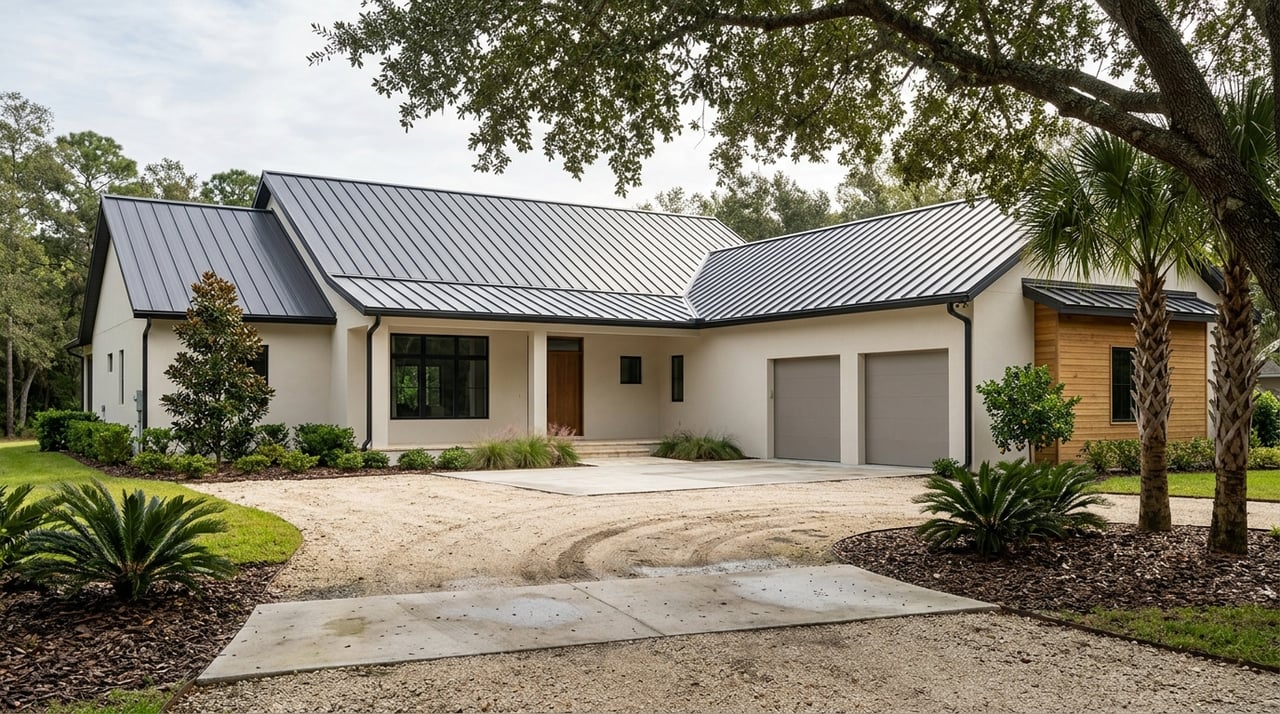
Step-By-Step Guide To Listing Rural Property In Plant City
June 4, 2026
June 4, 2026
Selling rural property in Plant City is rarely as simple as putting a sign in the yard and waiting for offers. With acreage, outbuildings, utility questions, zoning layers, and disclosure details, the prep work often matters just as much as the marketing. If you want to list with confidence, this guide will walk you through the steps that help you protect your timeline, support your price, and avoid preventable surprises. Let’s dive in.
One of the first questions to answer is whether your property is inside Plant City or in unincorporated Hillsborough County. That matters because the zoning authority can change depending on location, and rural listings often need to be checked against both city and county systems. Getting this clear early helps you avoid confusion later when buyers start asking how the land can be used.
The Hillsborough County Property Appraiser maintains ownership records, legal descriptions, and tax maps for county properties. County zoning tools can also show current zoning, flood-zone information, future land use, and related application numbers. For a rural property, this is part of the foundation of your listing file.
Before you think about photos or pricing, gather the documents that tell the full story of the parcel. Rural buyers often evaluate more than the house itself. They want to understand the land, access, improvements, and any known limits on use.
A strong pre-listing file usually includes:
This step is especially important if your property has barns, sheds, fencing, driveways, additions, or site improvements that may not be obvious at first glance. Clear records can help reduce buyer hesitation during due diligence.
If your property has agricultural classification, confirm its current status before you list. In Hillsborough County, agricultural classification is handled by the Property Appraiser, and it is not the same thing as zoning. That distinction matters because sellers and buyers sometimes assume a tax classification automatically tells them how land can be used, and that is not always the case.
The filing deadline for real-estate exemptions and agricultural classification is March 1. If your current carrying costs or a buyer’s expectations are tied to that classification, it is smart to verify the details early and keep that information ready for serious buyers.
Rural pricing in Plant City needs a more detailed approach than many in-town homes. The county assesses property at market value as of January 1, but assessed value and tax bills are not the same as a listing strategy. Tax bills should not be used as a substitute for pricing analysis.
A better approach is to look at comparable sales and then break the property into its functional parts. That usually means evaluating the home itself, the usable acreage, and any meaningful improvements such as barns, detached structures, fencing, or site work.
As you prepare to list, pay close attention to factors like:
This gives buyers a clearer picture of value and puts you in a stronger position when questions come up.
Acreage properties often evolve over time. A workshop may have been added years later, a driveway may have been extended, or a shed may have been installed without much thought about future resale. That is why permit history matters before the property goes active.
Hillsborough County’s building-permit records can show permit applications, inspection results, elevation certificates, and certificates of occupancy. Reviewing this information ahead of time helps you catch missing documentation, clarify improvements, and prepare for buyer questions before they become negotiating issues.
Utility setup is one of the most common points of confusion with rural property. Buyers often want to know whether the home is connected to county water and sewer, uses septic, relies on a private well, or may be eligible for conversion.
In Hillsborough County, some areas are being transitioned to central sewer. The county’s conversion process may involve an adjacency check, a licensed plumber, permits, and final inspections from the County Plumbing Inspector, the Department of Health, and EPC. If a property uses a private well, there is also a separate process for converting to county potable water.
Even if no conversion is planned, utility status affects marketing, buyer expectations, and contract timing. It is much easier to answer these questions up front than to sort them out after you receive an offer.
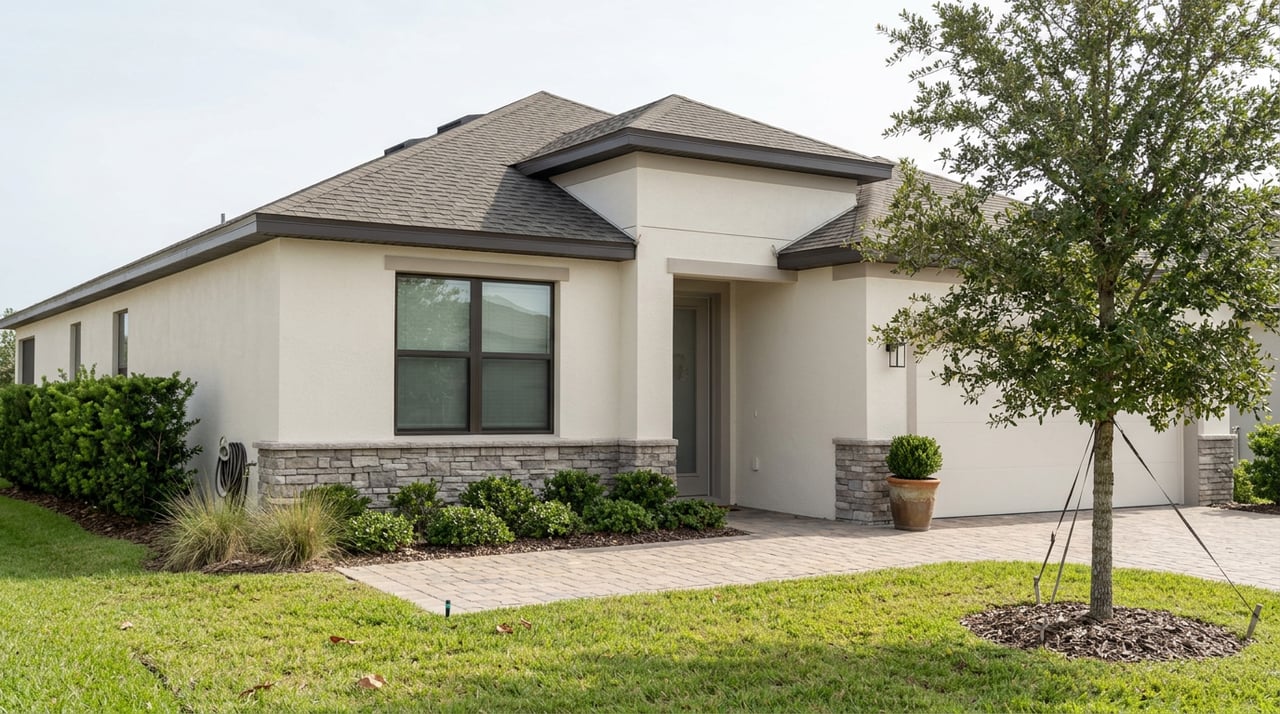
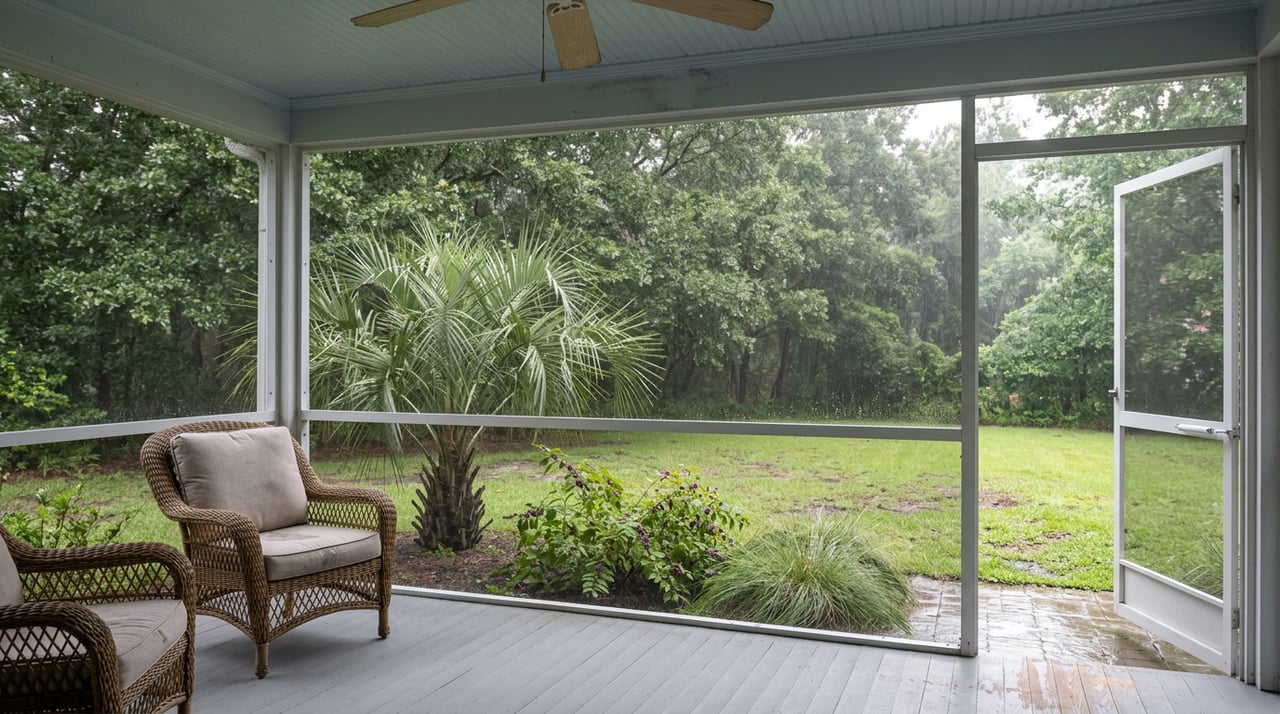
When you list acreage, you are marketing how the property functions, not just how it looks from the front door. Buyers want to understand access, layout, and usable outdoor features. A good visual presentation should help them picture the whole parcel.
For many Plant City rural listings, that means showing:
This kind of marketing helps buyers connect the listing to the due-diligence questions they are already likely to ask. It can also reduce the risk of mismatched expectations during showings.
Showings on rural property require more coordination than a typical suburban listing. Long driveways, gate access, active agricultural work, animals, or multiple structures can all affect how a showing should be handled. A calm plan protects your time and creates a better experience for buyers.
One practical detail is address visibility. Hillsborough County construction-code guidance says buildings must have address numbers posted on the front facade or on another visible structure such as a mailbox or post. For rural listings, visible identification and clear access instructions can make a meaningful difference.
Disclosure preparation is one of the most important steps in listing rural property. Florida’s disclosure framework for real estate licensees applies to many residential sales, including agricultural property of 10 acres or fewer in the residential context described by statute. In that setting, known facts that materially affect value and are not readily observable must be disclosed.
For Plant City acreage, several disclosure topics can come up more often than they do in a typical neighborhood sale. These include flood history, sanitary sewer lateral defects, and situations where subsurface rights have been severed or retained in the residential-property situations covered by law.
Florida also requires a flood disclosure for residential real property at or before contract execution. That form asks about known flooding, flood claims, and federal assistance. On rural property, where drainage and land conditions may play a bigger role in buyer decision-making, it is wise to prepare this information early.
Once your property is listed, serious buyers will often focus quickly on diligence items tied to the land itself. That is normal. A well-prepared seller can respond more confidently because the key records are already organized.
Common contingencies on rural and acreage sales often include:
These are not unusual red flags. They are part of how buyers verify what they are purchasing and how they can use it. The more prepared your file is before listing, the smoother this stage tends to be.
If you want a practical roadmap, think of your listing process in this order: verify jurisdiction, build the property file, confirm classification and utilities, review permits, prepare disclosures, price with usable land in mind, and then market the property clearly. That sequence helps you solve the important questions before they affect negotiations.
Rural property in Plant City can attract strong interest, but buyers usually need more documentation and context than they would for a standard in-town home. A calm, strategic approach helps you present the property clearly and negotiate from a stronger position.
If you are getting ready to sell acreage or rural residential property in Plant City, working with an advisor who understands pricing, due diligence, and contract strategy can make the process far more manageable. Connect with Melissa Connell for clear, personalized guidance on your next move.
Stay up to date on the latest real estate trends.
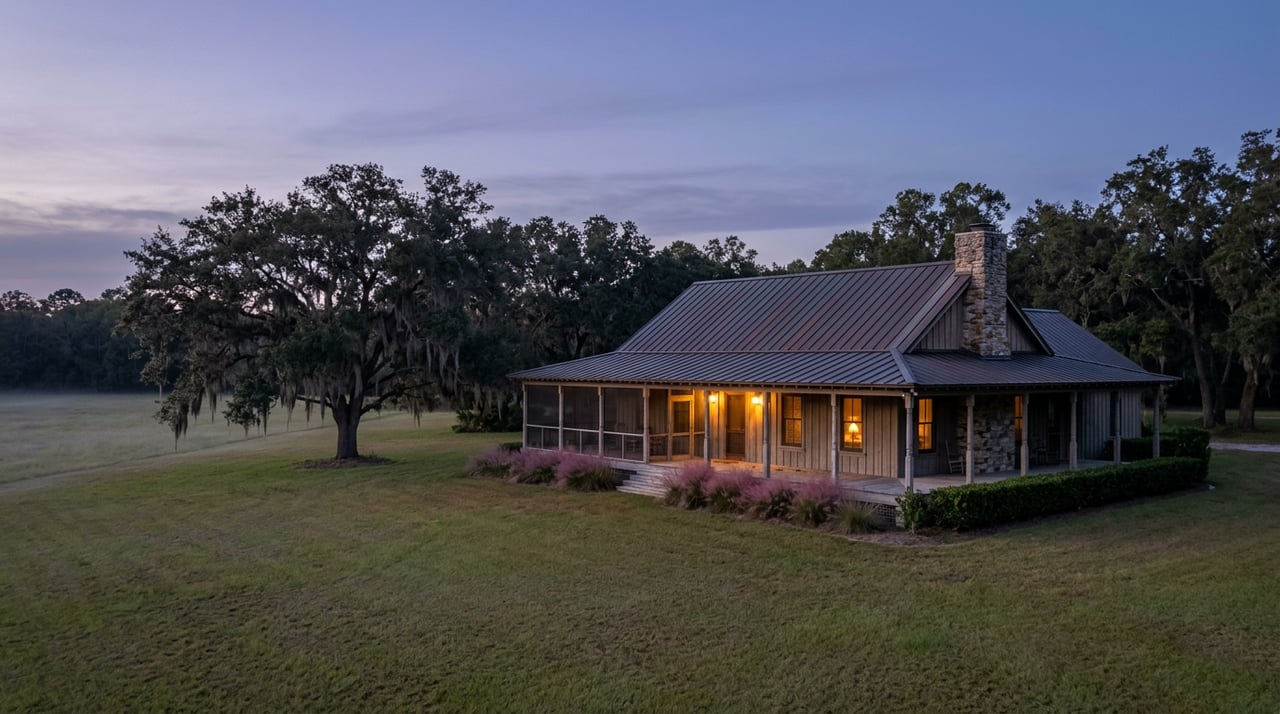
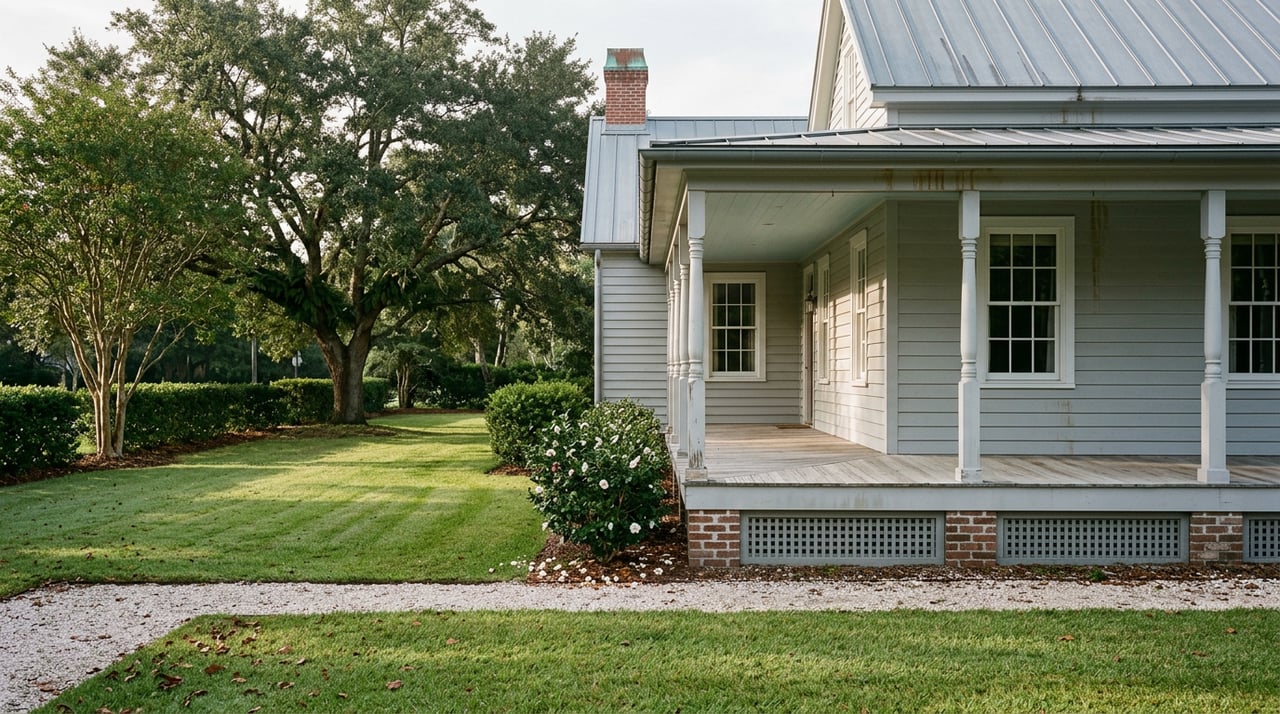
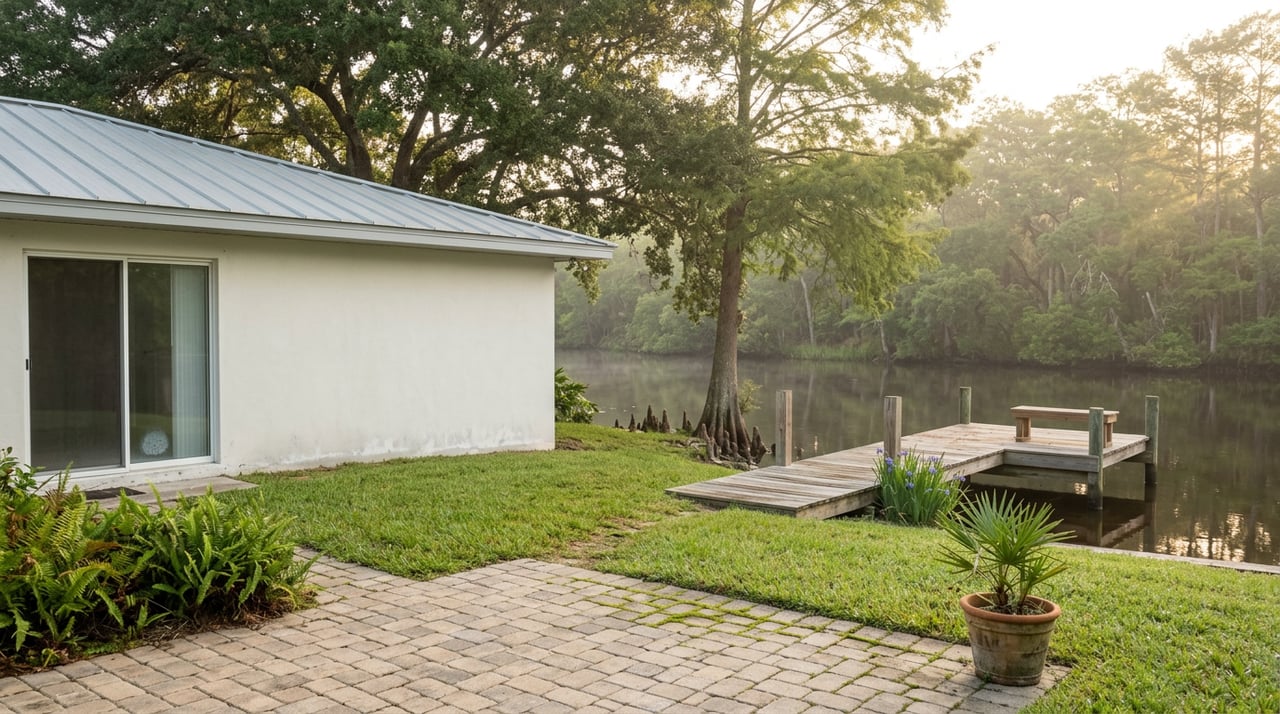
I provide strategic assistance with pricing analysis, offer preparation, contract drafting, and negotiation ensuring every decision is informed and advantageous. Let’s begin the conversation.
Get In Touch With Palm & Pine Realty Group To Learn More

PALM & PINE REALTY GROUP
(813) 478-3180
[email protected]
Office - [email protected]
Sellers - [email protected]
Buyers - [email protected]
CENTRAL & NORTH CENTRAL FLORIDA