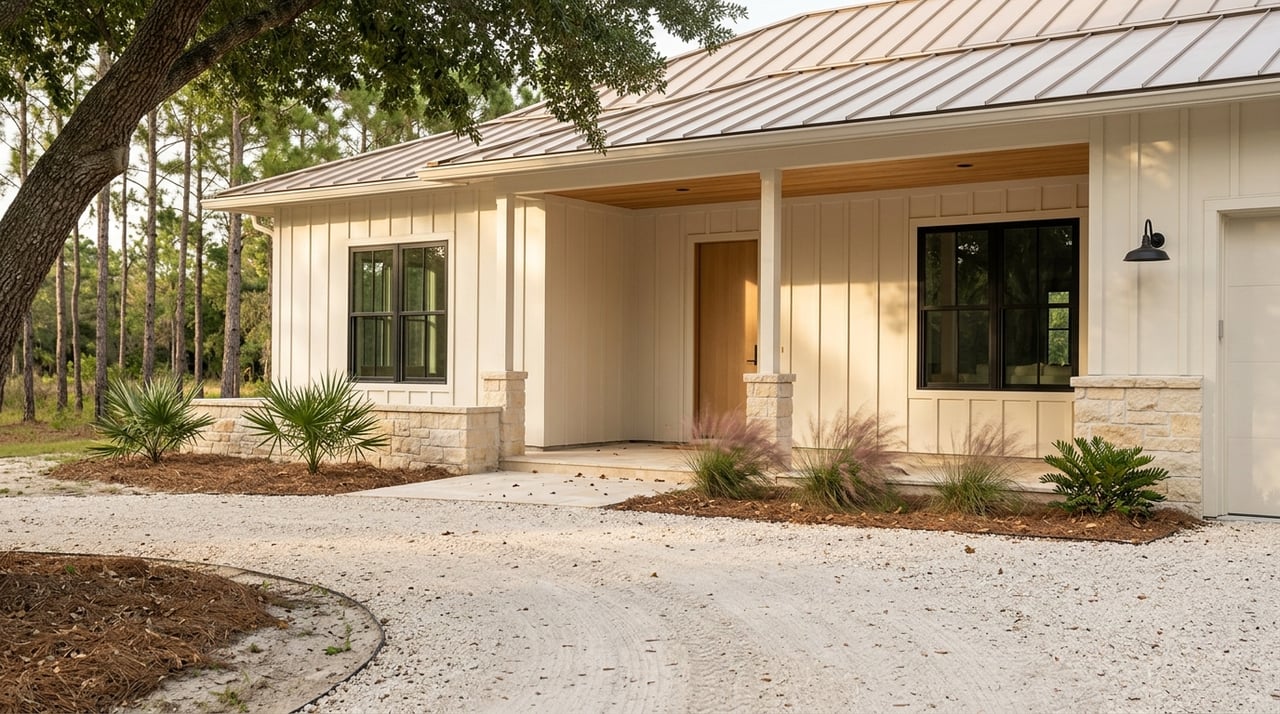
Writing Competitive Offers On North Central Florida Acreage
July 2, 2026
July 2, 2026
If you are buying acreage in North Central Florida, the best offer is not always the highest one. On rural and country properties, the details behind the price often matter just as much because access, surveys, wells, septic systems, flood exposure, and land restrictions can all affect whether a deal actually makes sense. If you want to compete without taking on avoidable risk, this guide will show you how to write a strong, informed offer with a clear path to closing. Let’s dive in.
Acreage purchases in North Central Florida usually need more investigation than a typical in-town home. A property can look perfect during a showing, but the real value may depend on things you cannot confirm at a glance, like legal access, title issues, wetlands, or private utility systems.
That is one reason Florida’s vacant land contract structure gives buyers time to review title, survey, and property suitability before moving forward without conditions. For buyers, that due diligence window is not just paperwork. It is one of your main tools for protecting yourself while still making a competitive offer.
On farms, acreage, and country homes, sellers often respond best to offers that feel likely to close cleanly. Price matters, of course, but so do proof of funds or a prequalification letter, a meaningful earnest money deposit, and a realistic timeline.
In other words, a strong offer gives the seller confidence. It shows that you are serious, financially prepared, and clear about how the transaction will move from contract to closing.
A vague offer can create hesitation, especially on a rural property with more moving parts. If your contract is clear about financing, deposit timing, due diligence, and closing, the seller can better understand what to expect.
That clarity matters in competitive situations. Sellers do not just compare numbers. They also compare risk, delays, and the chance that the buyer will back out later because they were not prepared.
If you want to move quickly when the right property appears in Homosassa, Crystal River, Inglis, Dunnellon, Chiefland, Bronson, Archer, or the surrounding North Central Florida area, preparation matters.
Before you write, it helps to have key pieces ready:
This is where strategy makes a real difference. A prepared buyer can often shorten uncertainty for the seller without giving up important protections.
Acreage can come with hidden issues that are expensive or difficult to solve later. Your offer should leave room to investigate the items that matter most for rural land and country properties.
A survey is especially important on acreage. It can help confirm boundary lines, reveal encroachments, and show whether easements affect the property.
On wooded, irregular, or swampy parcels, surveys can also be more complex. Lenders may want a survey to confirm the property matches the legal description, and buyers need to know whether buildings, fences, drives, or other improvements actually sit where they appear to.
Access matters just as much. A property is not nearly as simple as it seems if access depends on an easement, a private road, or a shared driveway arrangement. In some cases, lenders and appraisers may also care whether there is a road-maintenance agreement in place.
Many rural properties rely on private wells. In Florida, a private home sale does not trigger a state requirement for well sampling, but the Florida Department of Health recommends testing for coliform bacteria, nitrates, and lead.
For buyers, that means well testing should be built into your inspection or due diligence period. If lab results will take time, your contract timeline should account for that so you are not pressured into accepting the property before key information comes back.
Septic is one of the biggest inspection items on country property. Because the system is underground, problems may not be obvious, and repairs or modifications can be costly.
The Florida Department of Health advises buyers to request a voluntary septic inspection. That inspection should cover the tank, drainfield, and any related pumps or alarms, and it must be done by a properly qualified professional.
If an inspection finds cracks, leaks, drainfield trouble, or site limitations, those findings can affect your negotiation. This is one area where careful due diligence can save you from taking on a major hidden expense.
Flood risk is part of the conversation on many Florida properties, including some acreage tracts and rural homes. Florida law requires a flood disclosure to be given to a purchaser of residential real property at or before contract execution.
That matters because standard homeowners insurance does not cover flood damage. Even if a parcel feels high and dry during a showing, you still want to understand the disclosure, the flood exposure, and how that may affect your long-term costs and comfort level.
Some North Central Florida acreage may be affected by wetlands, wetland buffers, setbacks, or conservation easements. These issues can limit where you build, what you change, whether you can add roads, or how the land may be used in the future.
A rural parcel may look open and flexible, but recorded restrictions or environmental limits can tell a different story. That is why title review, survey review, and suitability review matter so much before your offer becomes fully committed.
It is possible to write a strong offer and still protect yourself. The goal is not to remove every safeguard. The goal is to use the right safeguards, clearly and efficiently.
A well-structured acreage offer usually balances three things:
Some buyers try to make their offer stand out by shortening the inspection or due diligence window. That can help, but only if you are already prepared to use that time well.
Florida contract timelines are calendar-day based in many cases, and deadlines matter. If you want a shorter window, line up your inspector, surveyor, lender, and any needed testing in advance so you do not lose valuable days after acceptance.
Counteroffers on vacant land can move quickly. If you wait until the last minute to decide what matters most, it becomes harder to respond with confidence.
Before submitting your offer, decide where you have flexibility and where you do not. That may include price, closing date, due diligence length, repair expectations, or whether you are willing to proceed without certain documents or inspections.
Acreage buyers often benefit from slowing down just enough to ask better questions. A calm, strategic offer starts with clarity about the property and your plans for it.
Here are a few smart questions to work through:
These questions do not make your offer weaker. They make it smarter.
In North Central Florida, country properties can offer privacy, space, and flexibility that are hard to find elsewhere. But they also ask more from the buyer.
The strongest offer is usually the one that is informed, specific, and realistic. When you pair solid pricing with clear terms and thoughtful due diligence, you give the seller confidence while also protecting your future plans for the property.
If you are considering acreage, land, or a country home in North Central Florida, working with a calm, detail-focused approach can help you compete without losing sight of what matters. For clear guidance and strategic support, connect with Melissa Connell.
Stay up to date on the latest real estate trends.
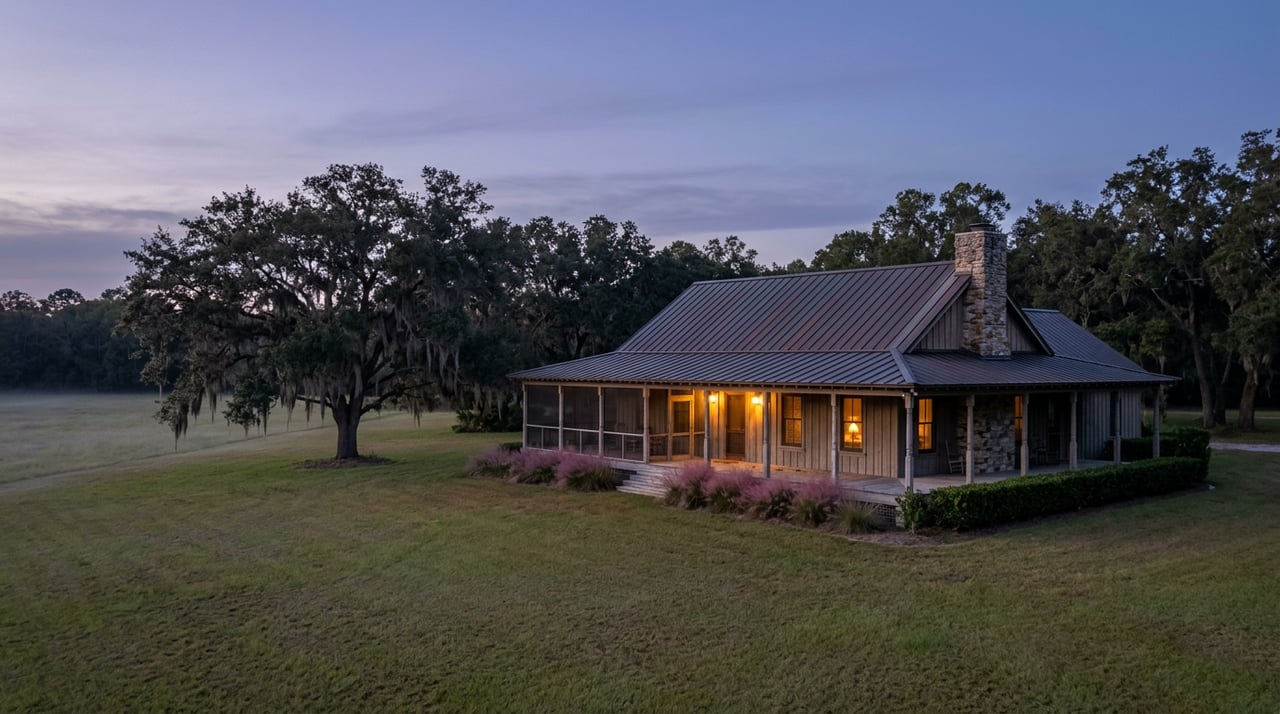
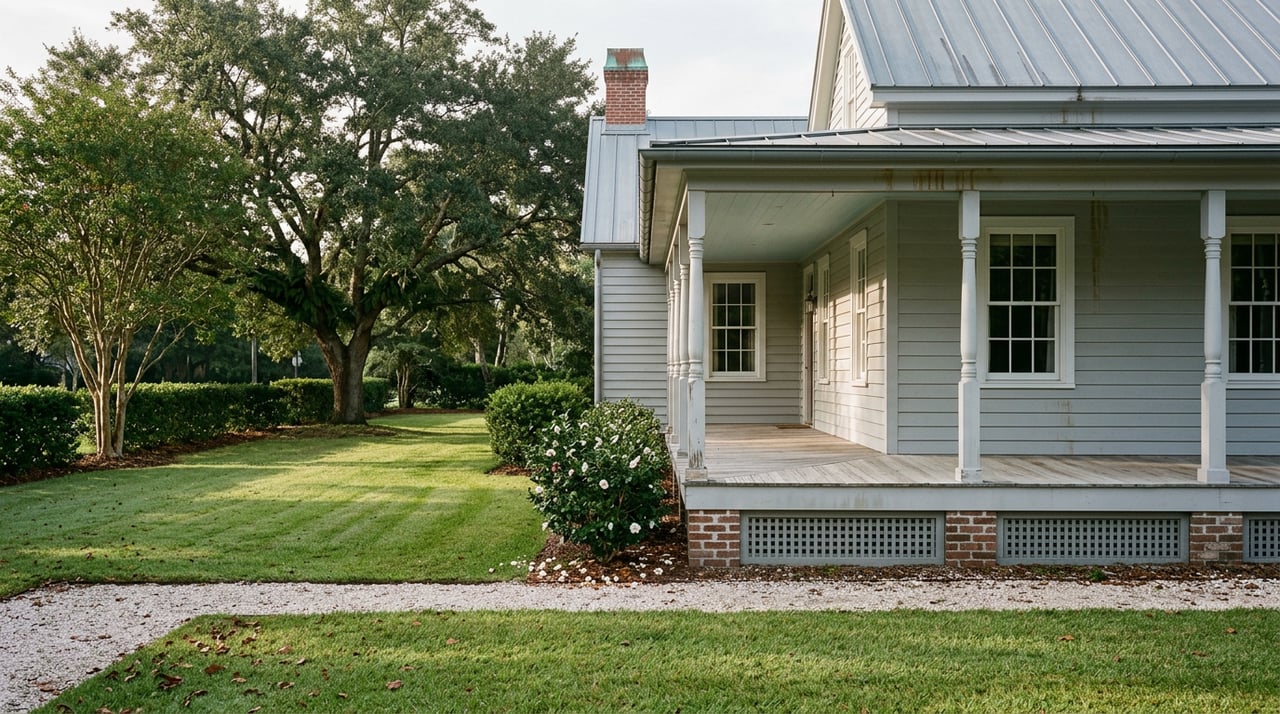
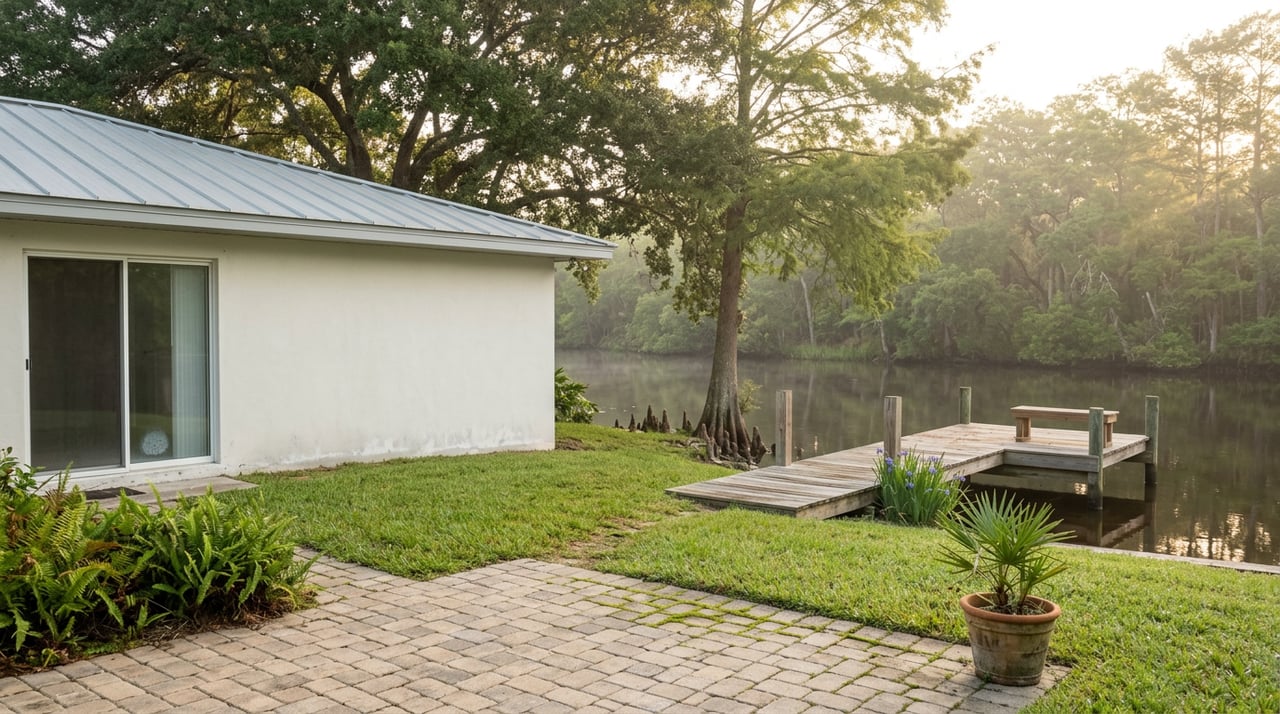
I provide strategic assistance with pricing analysis, offer preparation, contract drafting, and negotiation ensuring every decision is informed and advantageous. Let’s begin the conversation.
Get In Touch With Palm & Pine Realty Group To Learn More
PALM & PINE REALTY GROUP
(813) 478-3180
[email protected]
Office - [email protected]
Sellers - [email protected]
Buyers - [email protected]
CENTRAL & NORTH CENTRAL FLORIDA