Choosing Between In-Town And Acreage Living In Dade City
July 16, 2026
July 16, 2026
Trying to decide between a home near downtown Dade City and a property with more land outside town? That choice can shape your daily routine, upkeep, commute, and long-term plans more than many buyers expect. If you want a clearer way to weigh space against convenience in Dade City, this guide will walk you through the practical tradeoffs and key questions to ask before you buy. Let’s dive in.
In Dade City, “in-town” usually means the compact city core and nearby historic neighborhoods. Dade City covers about 7.83 square miles, serves as the county seat, and has planning goals centered on preserving small-town character, encouraging infill, and supporting mixed-use downtown redevelopment.
“Acreage” usually refers to properties in unincorporated Pasco County that fall within rural or agricultural land-use patterns rather than the city’s compact development framework. Depending on the parcel, that can mean anything from a one-acre homesite to a much larger tract with agricultural or rural-density zoning.
That distinction matters because you are not just choosing a house. You are choosing a setting, a utility setup, a maintenance level, and a pace of life.
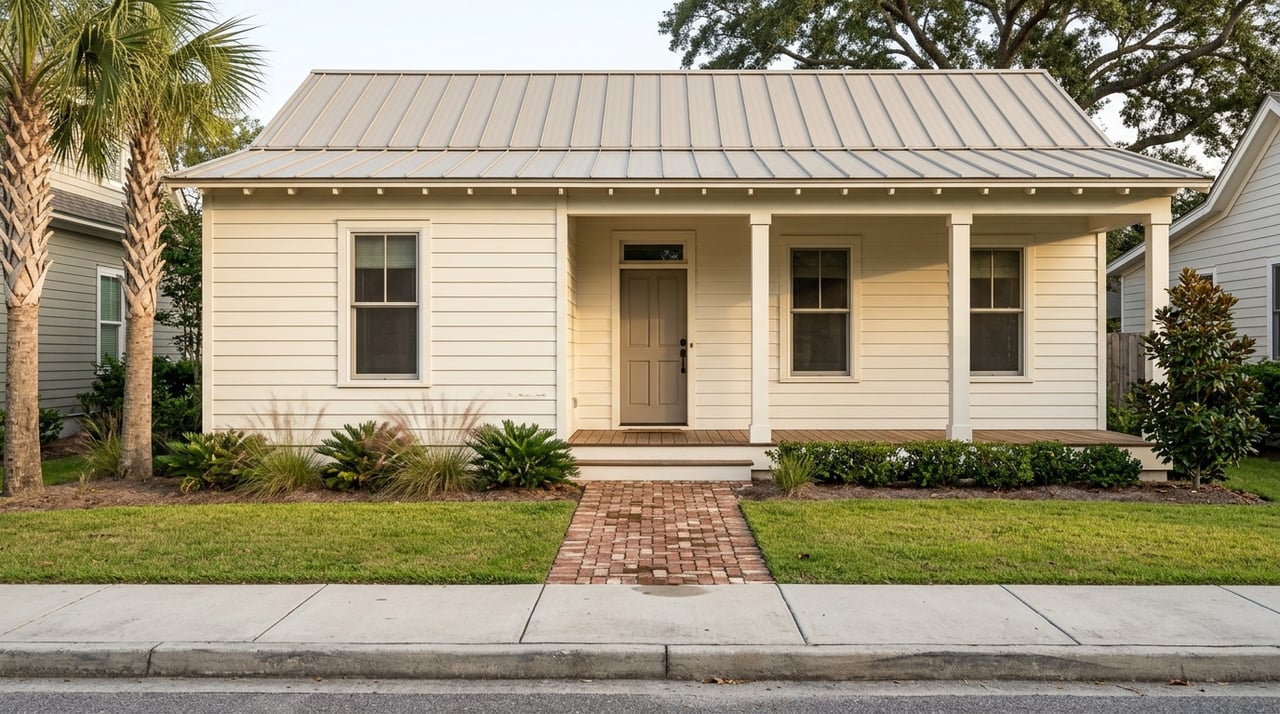
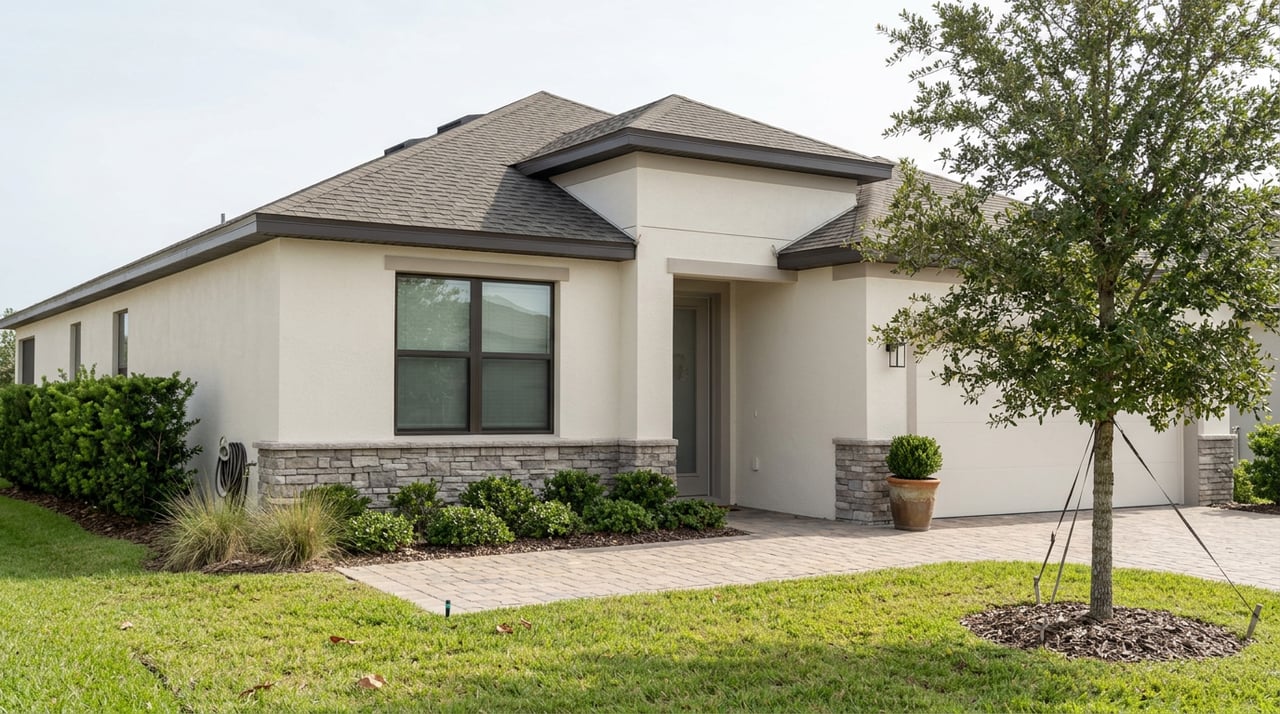
In-town Dade City tends to fit buyers who want a more connected, service-rich routine. The city’s planning documents describe downtown as its financial, commercial, governmental, cultural, recreational, and professional center.
The downtown land-use framework emphasizes pedestrian-oriented design, traditional setbacks, parking behind buildings, and preservation of historic character. The city’s broader plan also supports compact development, sidewalks, bikeways, and mixed-use areas, which can make daily errands and local outings feel simpler.
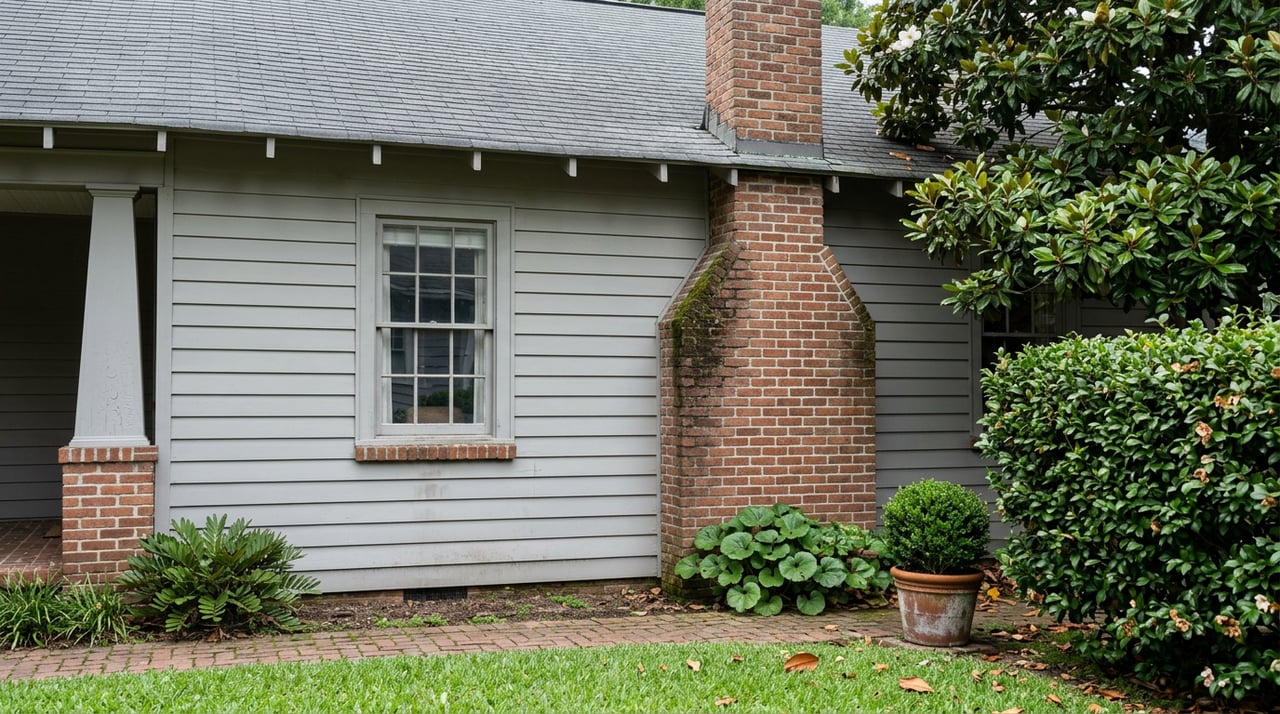
One of the clearest examples of the in-town housing pattern is the Church Street Historic District. It runs along Church Street between 9th and 17th Streets and includes Colonial Revival, Queen Anne, and Bungalow/Craftsman architecture.
If you enjoy older homes, established streetscapes, and a traditional neighborhood feel, this part of Dade City may be especially appealing. The city’s planning approach shows a clear focus on preserving that historic character while supporting thoughtful redevelopment nearby.
A practical benefit of in-town living is access to city infrastructure. Dade City owns and operates its own water and sewer systems, and city rules state that septic tanks should not be used for new development when the property can be served by the central sanitary sewer system.
That can mean fewer property-management responsibilities compared with a rural parcel. The city also maintains streets, parking lots, medians, and rights-of-way in the downtown area, which can appeal to buyers who want less hands-on site upkeep.
Living closer to town can also make it easier to enjoy Dade City’s recurring events and community anchors. City materials reference the Kumquat Festival, Christmas Stroll, Christmas Parade, Monarch Butterfly Festival, Church Street Christmas, and downtown market and car-show style events.
Downtown-adjacent amenities noted by the city include Hugh Embry Library, the YMCA, local schools, and AdventHealth Dade City hospital. For some buyers, being near these destinations adds real value to daily life and weekend plans.
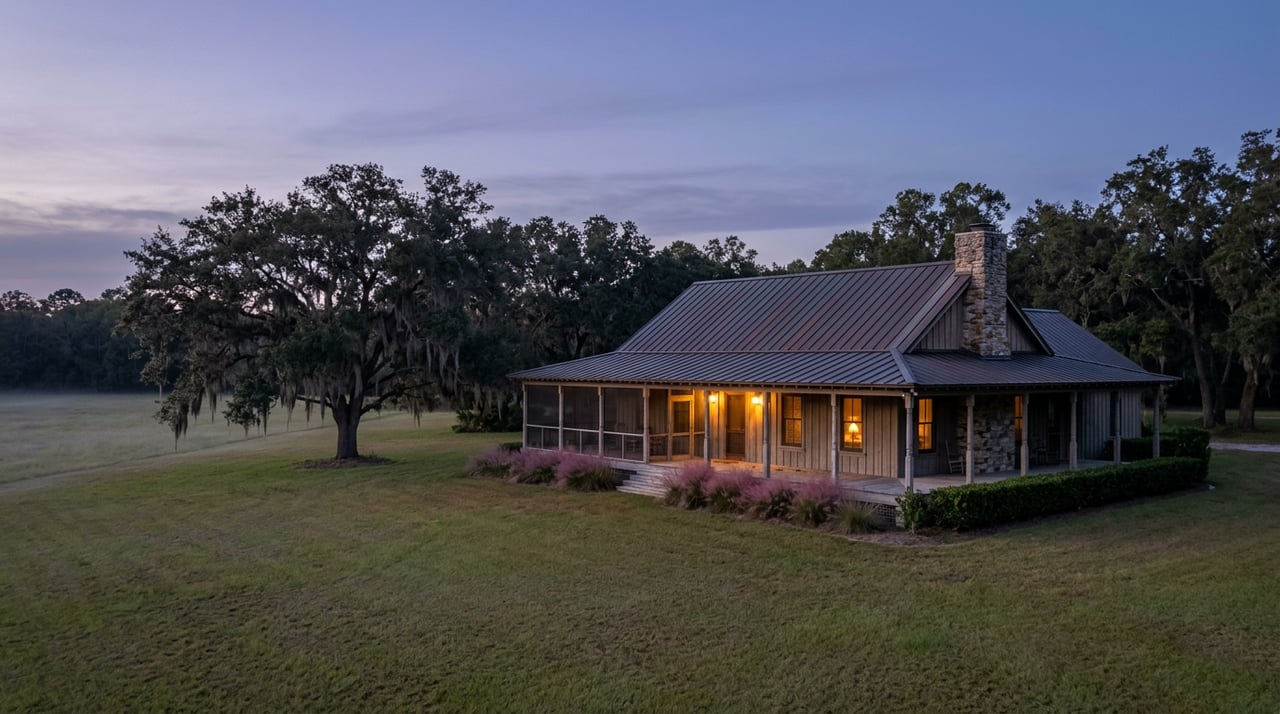
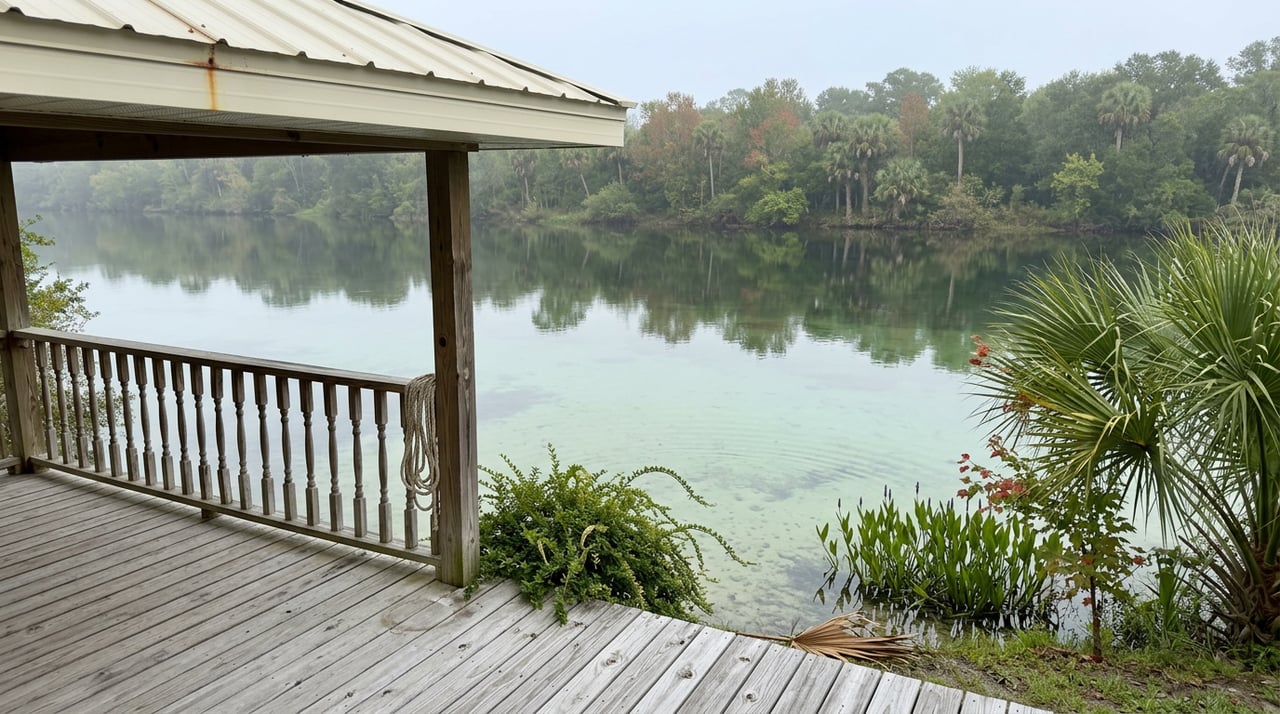
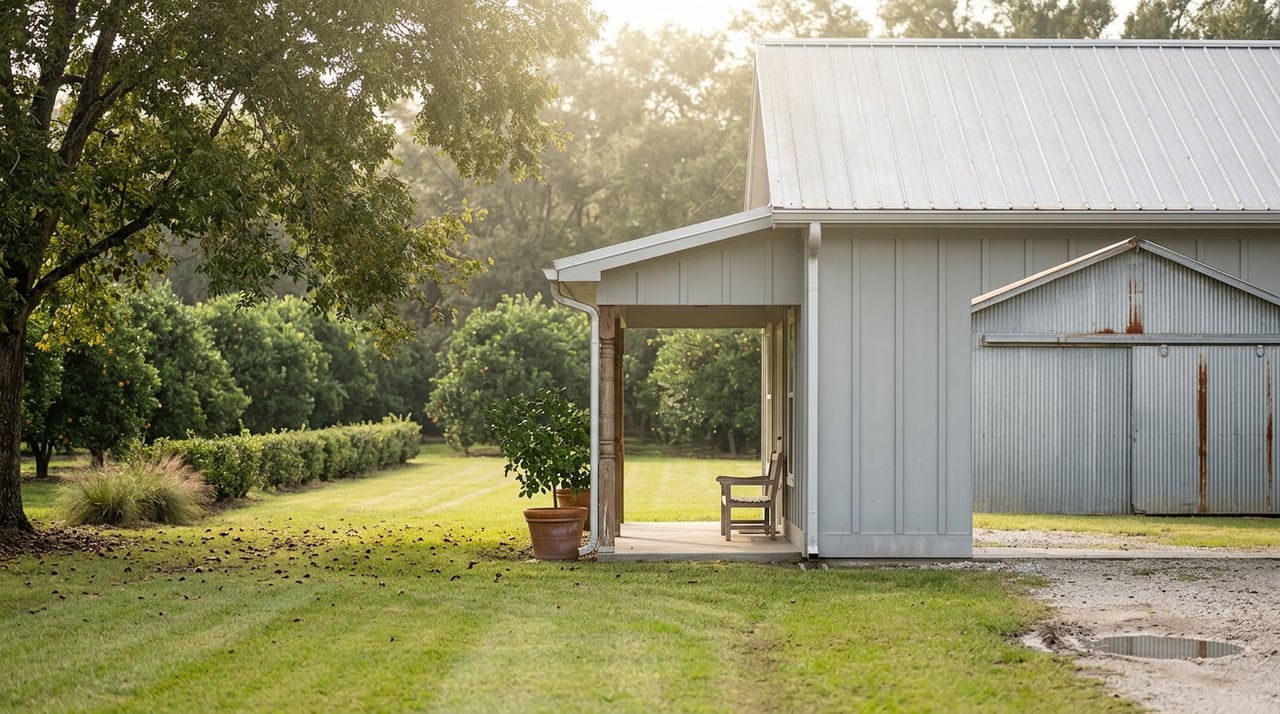
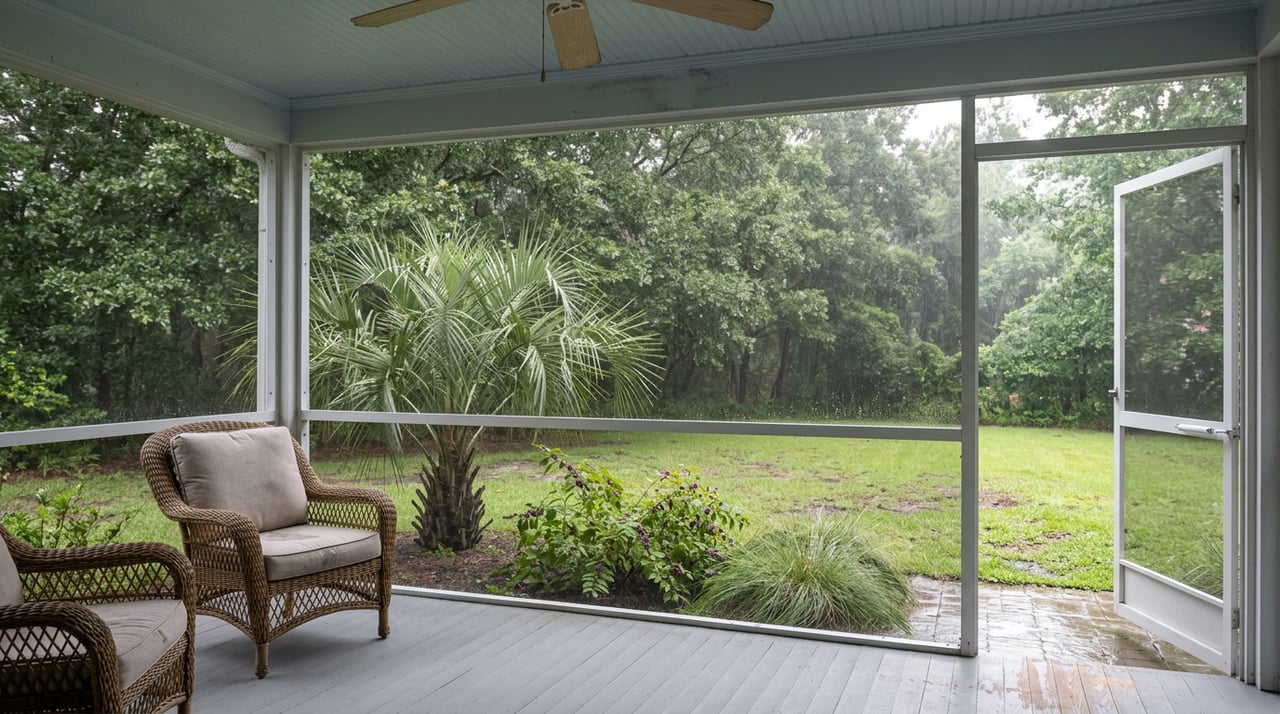
Acreage living around Dade City is often a better fit if you want more room, more separation between homes, and a less urban site plan. It can offer a very different feel from the compact city core.
At the same time, acreage is not one simple category. Pasco County’s land-use and zoning framework includes agricultural, agricultural-residential, estate-residential, rural-density residential, and rural-density mobile-home districts, so what you can do with a property depends heavily on the specific parcel.
Pasco County’s future land-use system includes rural neighborhoods defined as at least 1 acre, and some agricultural land can allow as little as 1 dwelling unit per 10 acres. That is a wide range, and it shows why two acreage listings can look similar online but function very differently in practice.
If you are considering a rural or agricultural property, it is important to verify the zoning and future land-use category early. That will shape what the parcel supports today and what limits may apply to future plans.
The biggest day-to-day difference for many buyers is utilities. Pasco County code allows septic tanks or other private subsurface disposal systems when no public sewer is available and approval is granted.
The county also requires a private well, permitted through the state and county health department, when no potable water system is available. The Florida Department of Health in Pasco County handles septic permitting, repairs, modifications, approvals, and inspections through its local program.
For you, that usually means more owner responsibility than you would have in town. Private systems can work well, but they add another layer of due diligence, maintenance, and budgeting.
Acreage properties often attract buyers who want flexibility in how the land feels and functions. You may value the extra room, the wider homesite, or the separation from nearby properties.
Still, more land usually means more upkeep. Even before you buy, it helps to think carefully about how much land you truly want to maintain and how often you are comfortable driving for errands and services.
When buyers weigh in-town living against acreage, the best choice usually comes down to how you want your normal week to feel. The tradeoff is often convenience versus space.
In-town living is more likely to support shorter local drives, access to downtown events, and a more connected routine. Acreage living is more likely to give you a quieter, more spread-out homesite, but it usually comes with more driving and more property oversight.
| Lifestyle Factor | In-Town Dade City | Acreage Around Dade City |
|---|---|---|
| Setting | Compact city core or nearby historic areas | Rural or agricultural county setting |
| Utilities | More likely to use city water and sewer | More likely to rely on private well and septic |
| Upkeep | Generally less site maintenance | Usually more owner maintenance |
| Access to downtown | Closer to events, services, and civic uses | Typically farther from daily services |
| Travel pattern | More supportive of short local trips | More car-dependent for errands |
| Lot style | Smaller, more traditional lots | Larger, more spread-out parcels |
Your location within the Dade City area can affect how easy daily travel feels. The city’s main travel corridors include US-301, County Road 52 and State Road 52, and the US-98 Bypass.
Dade City’s transportation and land-use planning references these corridors and supports a multimodal system for pedestrians, bicyclists, and motorists. In practical terms, buyers closer to town are more likely to benefit from shorter local trips and some walkability, while acreage buyers should expect to rely more heavily on a car.
Public transit is available, but it may not replace car ownership for most rural properties. GoPasco includes a fixed-route connection from Zephyrhills to Dade City to Wesley Chapel, and Dade City Downtown is identified as a transfer point with connections to other regional routes.
The right property is not always the one with the most space or the one closest to downtown. It is the one that fits your routine, budget, and comfort level with maintenance and due diligence.
Before you move forward on any Dade City or greater Pasco property, ask these questions:
These questions can help you avoid surprises and compare homes more clearly. They are especially important if you are buying land, rural residential property, or a home outside the city’s core.
If you want a home base with easier access to downtown, city utilities, and a more compact daily rhythm, in-town Dade City may be the better fit. It often works well for buyers who value convenience, historic character, and a more connected pattern of living.
If you want more land, more separation, and a more rural setting, acreage living may suit you better. It can be a great match if you are comfortable with more self-management and want to prioritize space over proximity.
Neither option is automatically better. The key is understanding the tradeoffs before you commit, so your purchase supports both your lifestyle and your long-term goals.
If you want help comparing in-town homes and acreage properties in the Dade City area, Melissa Connell offers calm, strategic guidance to help you evaluate utilities, land use, location tradeoffs, and the details that matter before you move forward.
Stay up to date on the latest real estate trends.
I provide strategic assistance with pricing analysis, offer preparation, contract drafting, and negotiation ensuring every decision is informed and advantageous. Let’s begin the conversation.
Get In Touch With Palm & Pine Realty Group To Learn More
PALM & PINE REALTY GROUP
(813) 478-3180
[email protected]
Office - [email protected]
Sellers - [email protected]
Buyers - [email protected]
CENTRAL & NORTH CENTRAL FLORIDA