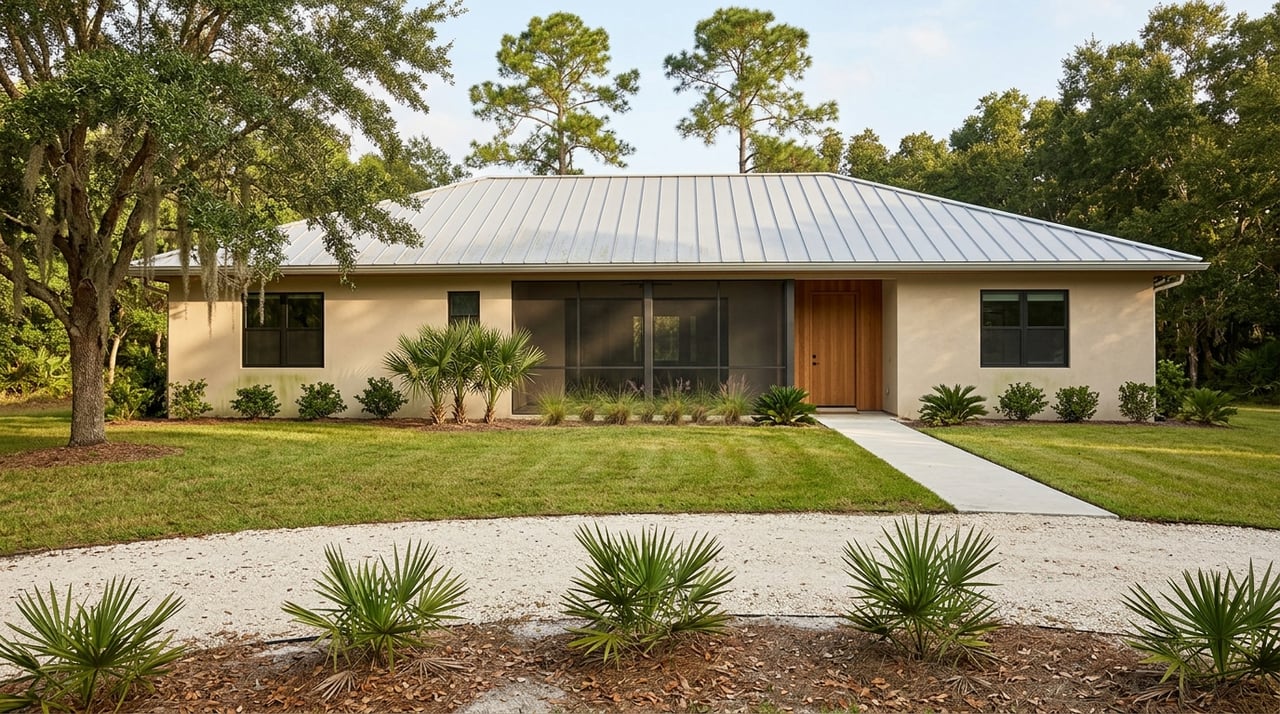
North Central Florida Lifestyle: What Daily Life Feels Like
June 18, 2026
June 18, 2026
Wondering what life in North Central Florida actually feels like once the boxes are unpacked? This part of Florida is often pictured as all springs, boats, and quiet backroads, and while that image is not wrong, day-to-day living is a little more nuanced. If you are considering a move, a second home, or a rural property here, it helps to understand how the region functions in real life. Let’s take a closer look.
North Central Florida is not one single lifestyle. It is better understood as a mix of spring-fed coastal towns, river communities, and inland acreage areas that each shape your routine in different ways.
On the water-focused side, Crystal River and Homosassa are closely tied to springs, bays, boat access, and waterfront recreation. Dunnellon has a different feel, centered more around river life, kayaking, tubing, and access to the Rainbow River. Inland communities like Chiefland, Bronson, and Inglis tend to lean more rural, with lower density and a quieter, more spread-out pattern of living.
That lower-density feel is not just an impression. Levy County has 38.4 people per square mile, compared with Florida’s 401.4. Citrus County is also less dense than much of the state at 264.4 people per square mile, which helps explain why the region often feels more open, slower-paced, and less built up.
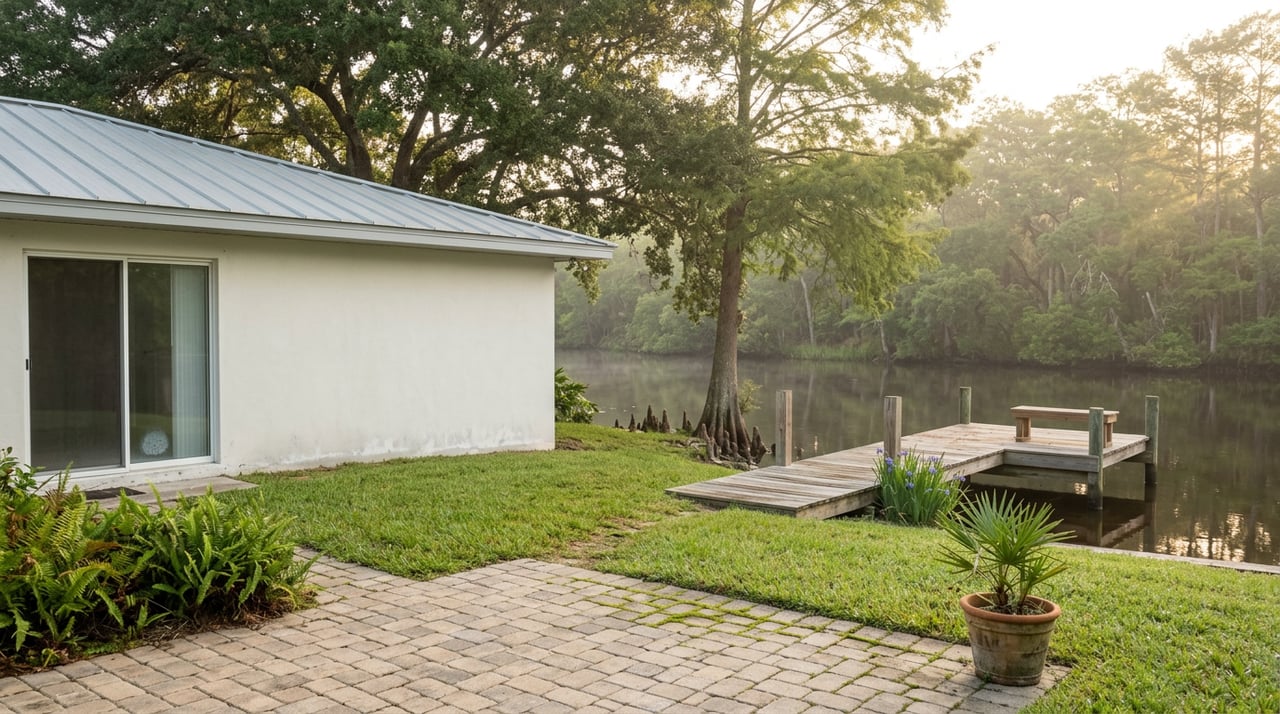
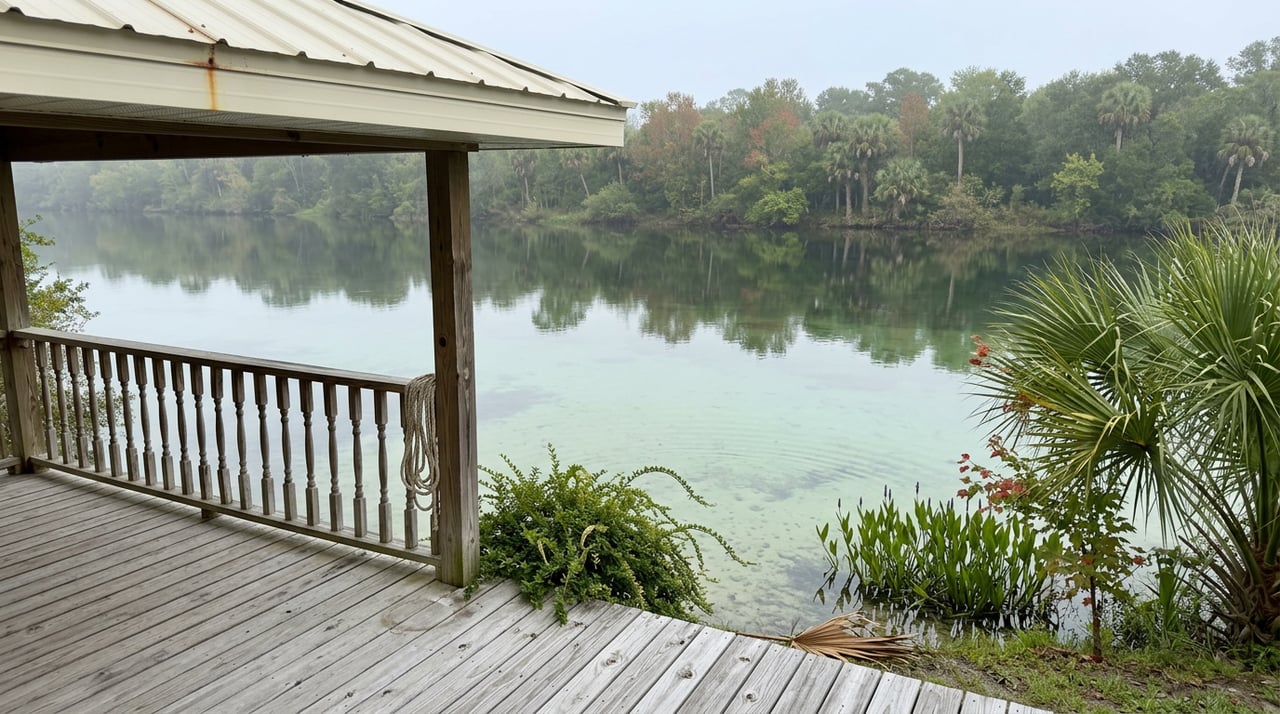
In many parts of North Central Florida, water is not just scenery. It shapes how people spend weekends, where they gather, and even how towns are laid out.
Crystal River and Kings Bay are built around spring water, parks, launches, and waterfront activity. Kings Bay is fed by the state’s second-largest spring group, with water that stays around 72 degrees year-round. In Homosassa, the spring system sends 65 million gallons of water per day into the Homosassa River, making water access a constant part of the local setting.
In Dunnellon, the routine shifts toward the Rainbow River. Blue Run of Dunnellon Park and Rainbow Springs State Park support common local activities like tubing, kayaking, swimming, hiking, and picnicking. If you are drawn to a river-town lifestyle, this area offers a very different pace from a coastal destination.
Near Chiefland, Manatee Springs adds another layer to everyday outdoor living. The park includes an 800-foot boardwalk, 8.5 miles of trails, and a connection to the 32-mile Nature Coast State Trail, which gives residents another way to spend time outdoors without needing a major day trip.
One reason people are drawn to this region is that outdoor recreation tends to feel easy and nearby. Launch points, trails, parks, and river access are woven into town infrastructure, so spending time outside often feels like part of a normal week rather than a special occasion.
In Crystal River, the city highlights kayaking, paddleboarding, boating, swimming, and wildlife watching around Kings Bay. Downtown activity, parks, a riverwalk, and boat ramps all support that pattern. In practical terms, that means your free time may naturally shift outdoors if you live nearby.
In Dunnellon, river access is just as central, though the activities are a bit different. Tubing and paddling on the Rainbow River are a common part of the area’s identity, and local rules around river use show how important that resource is to everyday life.
In some Florida markets, wildlife is something you drive out to see. In North Central Florida, it is often part of the normal backdrop.
Crystal River National Wildlife Refuge was created to protect the Florida manatee, and more than 600 manatees migrate to Kings Bay each winter. Three Sisters Springs programs run during manatee season from November 15 through March 31, which means the winter calendar in Crystal River has a distinct seasonal rhythm.
Homosassa Springs Wildlife State Park also serves as a warm-water haven for wintering West Indian manatees. If you are choosing a home in this part of the region, it is worth knowing that winter can bring increased activity in the most popular water-access destinations.
Daily convenience in North Central Florida works differently than it does in a dense suburban or urban market. Rather than one major commercial center serving everything, the region functions more like a network of small hubs.
Crystal River offers downtown shops, restaurants, parks, launches, and waterfront gathering spots. Chiefland serves a different role, with the city describing itself as a retail and service hub for the tri-county area and noting access along U.S. 19/98, U.S. 129, and U.S. Alt. 27.
Bronson and Inglis reinforce the small-town pattern. Bronson highlights its public library branch, and Levy County maintains satellite service locations in Inglis and Chiefland. That setup matters because your daily routine may involve driving between towns for errands, appointments, recreation, and government services.
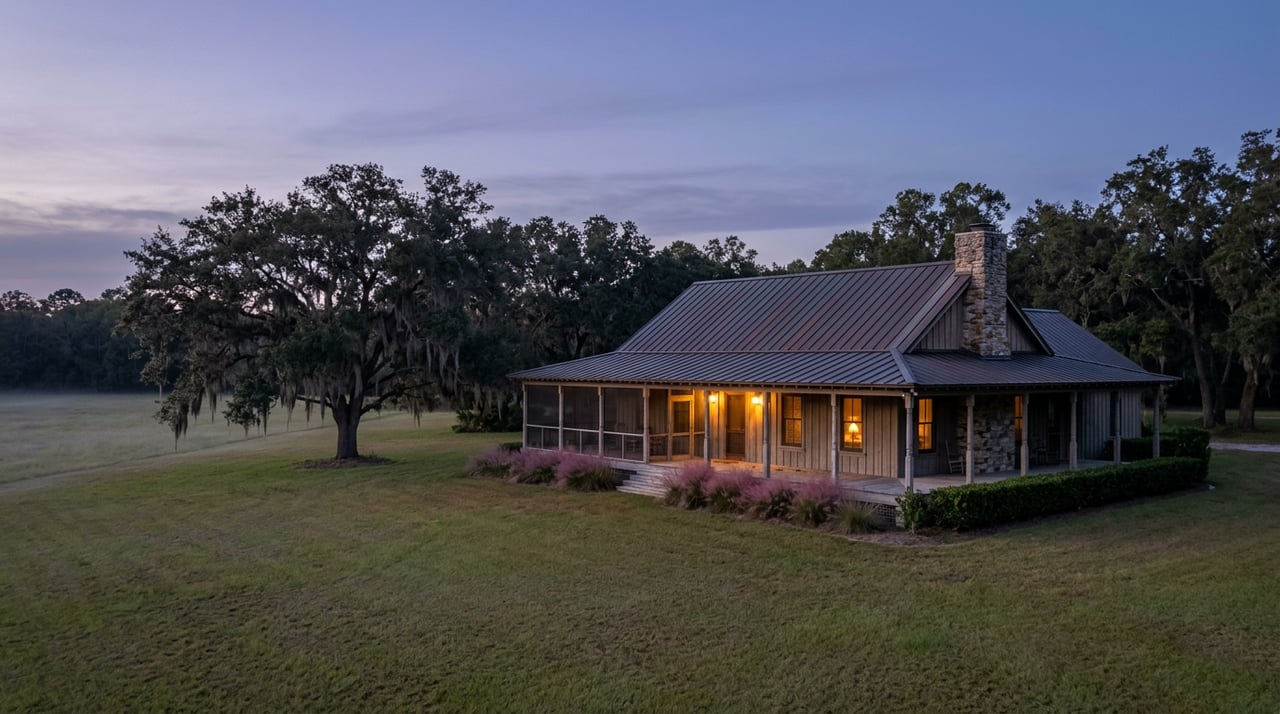
For many buyers, especially those looking at farms, acreage, or country properties, this is an important lifestyle fit question. You may gain privacy, open space, and a quieter setting, but your routine is likely to be more car-centered than walkable.
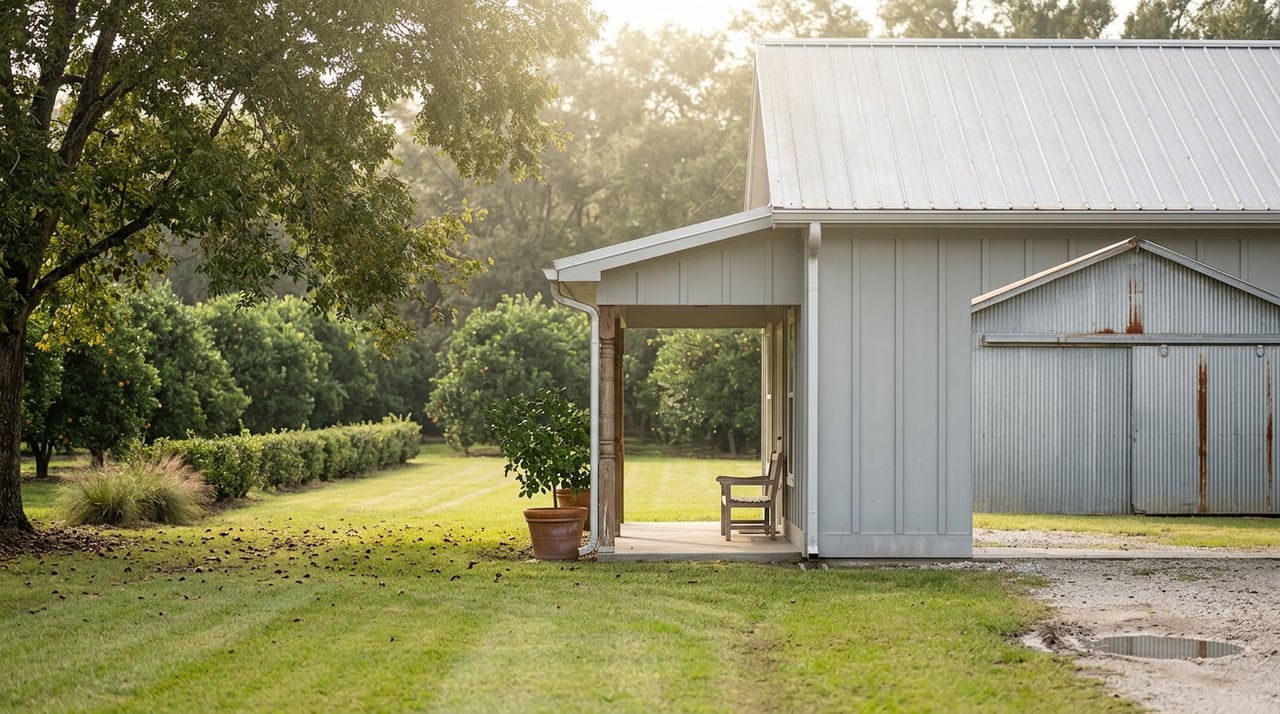
If you are exploring acreage or country property, North Central Florida can offer a strong match for buyers who value room to spread out. The region’s lower density and rural land patterns create opportunities that are harder to find in more built-up parts of the state.
That said, more space usually comes with more planning. In areas where services are distributed across multiple towns, simple tasks may take more coordination than they would in a dense metro area. This does not make rural living harder for everyone, but it does mean your day-to-day rhythm may feel different than what you are used to.
For some buyers, that tradeoff is exactly the appeal. Less traffic, more land, and easier access to springs, trails, and rivers can create a calmer lifestyle, especially if you are intentionally leaving a faster-paced area.
North Central Florida can feel very different depending on the time of year. That is especially important if you are relocating from out of state or shopping for a second home.
The area has a humid subtropical climate, with hot, humid summers and mild winters. From June through early September, peak heat index values frequently exceed 100 degrees. The Atlantic hurricane season runs from June 1 through November 30, and late spring through early fall typically brings frequent showers and thunderstorms.
In practical terms, summer often favors boating, paddling, tubing, and other water-based routines, while winter draws attention to manatee viewing and wildlife activity in places like Crystal River and Homosassa. The same neighborhood can feel relaxed one month and much busier the next, especially near well-known water destinations.
If you are home shopping, this matters more than many people expect. A property that feels peaceful during one visit may sit in a much more active area during peak seasonal traffic or wildlife tourism periods.
Living near springs and rivers also means living with rules designed to protect them. In Dunnellon, local river rules include restrictions on alcohol and disposable containers, and the city notes that stormwater runoff from streets and roofs flows directly into the Rainbow River.
That tells you something important about the culture of these communities. The lifestyle is active and nature-driven, but it also comes with an awareness that local waterways are sensitive and closely connected to everyday choices.
For buyers who value clean water access, this can be a positive sign. It reflects a region where natural resources are not treated as background features, but as part of what makes the area livable and worth protecting.
If you are considering North Central Florida, the right fit often comes down to how you want your normal week to feel. Do you want quick access to launches, springs, and waterfront activity? Do you prefer a river-town setting? Or are you looking for acreage, privacy, and a quieter inland routine with small-town service hubs nearby?
There is no one-size-fits-all answer across Crystal River, Homosassa, Dunnellon, Chiefland, Bronson, Inglis, and surrounding areas. The region offers a wide range of living patterns, and the best decision usually comes from matching the property to your real routine, not just the view or the weekend appeal.
A calm, well-planned move starts with understanding those tradeoffs clearly. When you know how the area functions day to day, you can choose with more confidence and fewer surprises.
If you are weighing waterfront living, rural acreage, or a move somewhere in between, Melissa Connell can help you compare the lifestyle, location, and property options with a clear strategy.
Stay up to date on the latest real estate trends.
I provide strategic assistance with pricing analysis, offer preparation, contract drafting, and negotiation ensuring every decision is informed and advantageous. Let’s begin the conversation.
Get In Touch With Palm & Pine Realty Group To Learn More
PALM & PINE REALTY GROUP
(813) 478-3180
[email protected]
Office - [email protected]
Sellers - [email protected]
Buyers - [email protected]
CENTRAL & NORTH CENTRAL FLORIDA