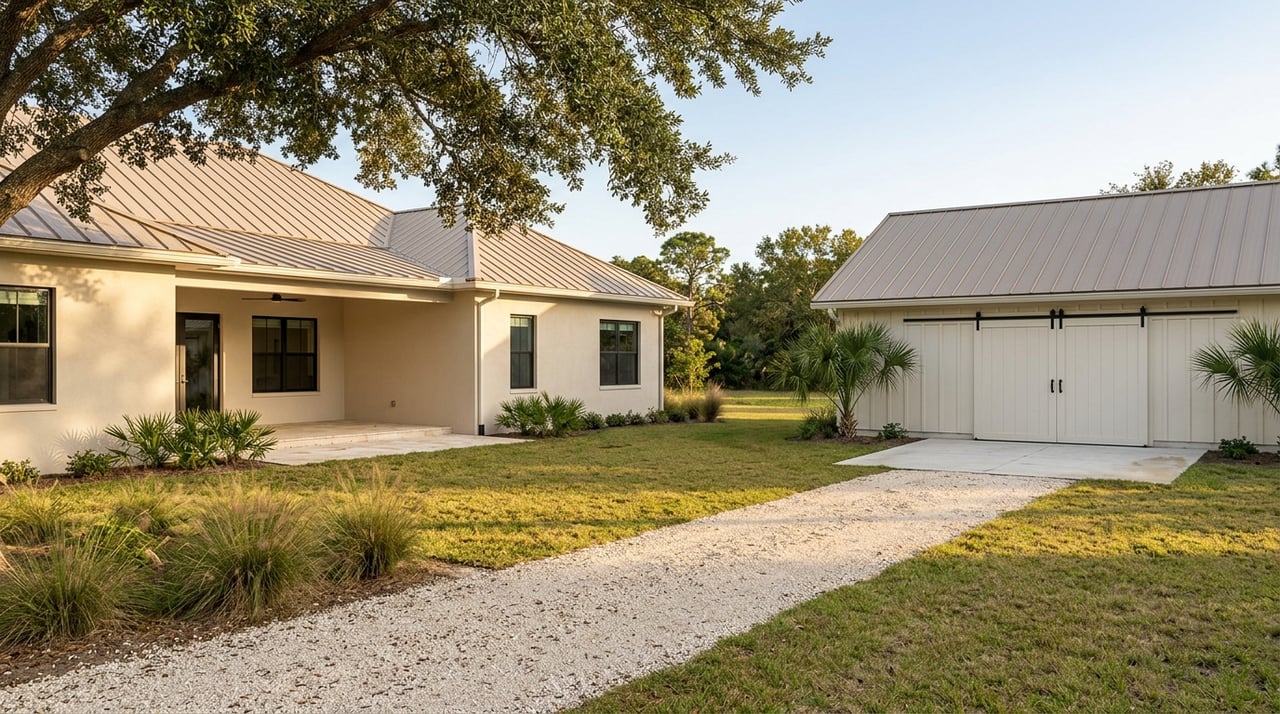
How Dade City Land Features Shape Home Pricing Strategy
July 23, 2026
July 23, 2026
Wondering why one Dade City home with land gets quick interest while another with similar acreage sits longer? In this market, buyers do not just look at the house or even the total lot size. They look at how the land actually works, what it allows, and how much uncertainty comes with it. If you are getting ready to sell, understanding those details can help you price more accurately, market more clearly, and avoid surprises once buyers start asking questions. Let’s dive in.
Dade City sits in a part of Pasco County where rural land patterns still matter. County planning materials describe the area as predominantly rural, and local land rules include agricultural districts meant to preserve that open, rural character.
That matters because acreage here is not a quirky bonus feature. Pasco County reports thousands of agricultural parcels countywide, which means land-based properties are a real and active part of the local market. If your property includes meaningful land features, your sale strategy should treat it as a functional land property, not just a house with a big yard.
One of the biggest pricing mistakes sellers make is assuming all acreage carries the same value. In reality, buyers usually care less about the number on paper and more about what they can actually do with the property.
Pasco County standards note that wetlands and required upland buffers may be included within a lot. At the same time, building activity can be restricted near those areas, and setbacks are measured from the upland buffer line. County flood planning also points to significant wetlands and localized freshwater flooding in the area.
That means a five-acre property may not feel like five usable acres to a buyer. If only part of the land works for pasture, parking, play space, storage, or future improvements, that difference should shape how the home is presented and compared.
Buyers tend to focus on practical use right away. They often want to know:
The clearer you are about these points, the easier it is for the right buyer to understand the property’s value.
In Dade City, zoning can strongly influence who your buyer is. A property that fits an agricultural or rural-use profile may appeal to a very different audience than a property marketed as a standard residential home.
Pasco County’s AC-1 agricultural district allows uses such as agriculture, groves, forestry, nurseries, pasturage of cattle and horses, and related structures like barns and stables. The district also sets a minimum lot area of 10 acres and a minimum lot width of 250 feet for single-family detached dwellings.
Other districts create different expectations. The A-R district allows one-acre lots, while the AR-5 district is intended to support a rural or farm atmosphere and encourage supplemental food production. So if your property falls into one of these categories, the land story may be just as important as the bedroom count.
Zoning does not just affect what an owner can do. It affects how buyers imagine living there. Some buyers are looking for privacy and outdoor space. Others are specifically searching for horse property, hobby-farm potential, or a rural lifestyle property with working features already in place.
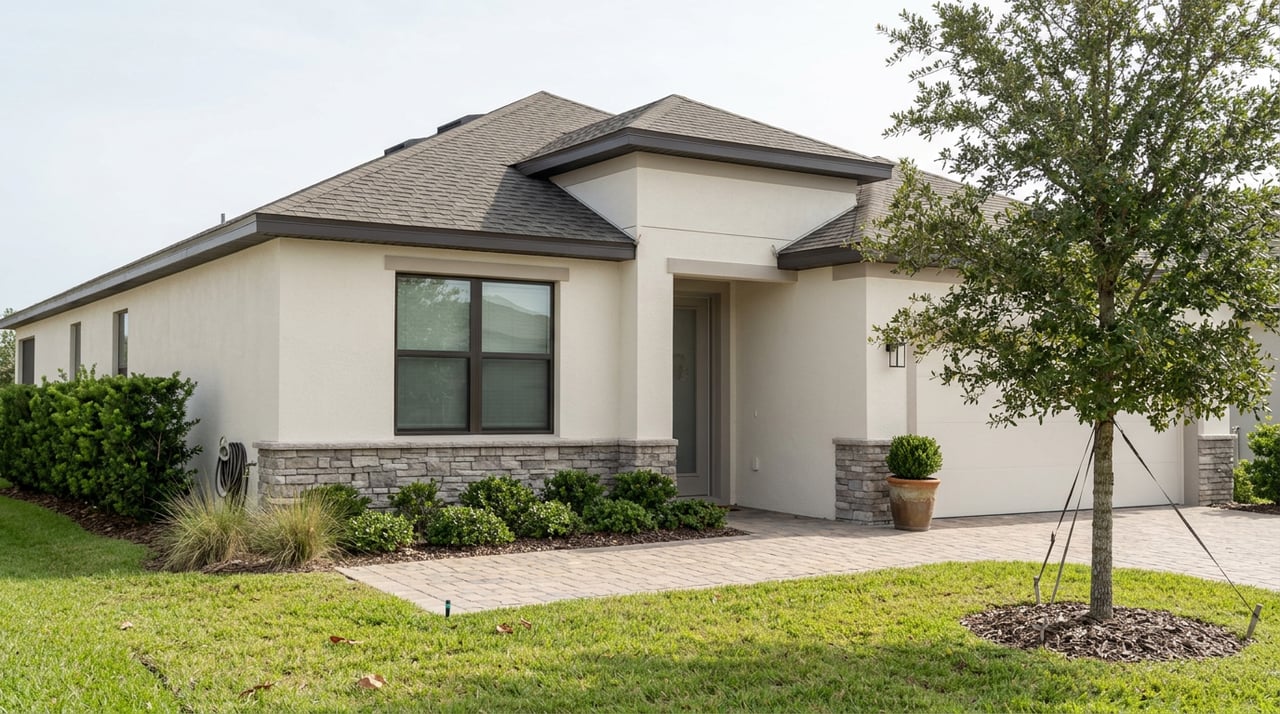
That is why the best sale strategy starts by matching the property to the right land-use category. A home with open acreage, fencing, and a barn should not always be marketed the same way as a smaller homesite with a large backyard.
When you sell a property with land, the house is only part of the package. Site improvements often help buyers understand how usable, organized, and well-maintained the property really is.
Pasco County property appraiser record cards separately track land detail, building information, and extra features. That is a useful reminder that barns, sheds, workshops, fencing, paddocks, gates, and similar improvements should be documented carefully before you list.
Before your listing conversation, make a record of any improvements such as:
These details help buyers see the property as functional and established. They also help support stronger marketing remarks, better buyer conversations, and more accurate comparisons to similar properties.
In Dade City, utility setup can have a real effect on buyer comfort and financing conversations. Some homes may connect to city services, while others rely on private systems.
The City of Dade City owns and operates water and sewer systems, including public drinking-water wells and storage facilities. If your property is on city utilities, that may simplify questions for some buyers.
If your home uses a private well, the Florida Department of Health says private well owners are responsible for water safety and recommends testing for bacteria and nitrate at least once a year. The state does not require private-home well sampling at the time of sale, but buyers may still ask for recent test results.
For septic systems, Pasco County Department of Health says new installations, repairs, modifications, and approvals of existing systems require a permit. If your property has septic, organized records can go a long way toward building buyer confidence.
Try to pull together:
This kind of preparation supports a smoother transaction and reduces last-minute scrambling once the property is under contract.
Flood and drainage questions should be addressed before the listing goes live, not after a buyer raises concerns. In land-oriented areas around Dade City, these issues can directly affect buyer interest.
Pasco County reports that about 42.6 percent of the county lies in the 100-year flood plain, and county planning materials also note significant wetlands and localized freshwater flooding. The county GIS system provides address-level evacuation zone lookup, which gives sellers another practical data point to check early.
Flood status can also influence financing and affordability conversations. County down-payment assistance materials exclude properties in flood-hazard or repetitive-loss areas, which is a useful reminder that flood-related factors may narrow the buyer pool in some cases.
You should know:
Even when the answers are manageable, clarity helps your listing feel more trustworthy.
A smart pricing conversation starts with documentation. The more complete the picture, the easier it is to decide how your home should be positioned in the market.
For a Dade City property with land, it helps to gather:
Pasco County’s agricultural-classification materials also note that agricultural status is tied to bona fide agricultural use and a filing window from January 1 through March 1. If your property has agricultural use or classification history, that should be reviewed carefully as part of the pre-listing strategy.
The biggest strategic question is not just, “How much land do you have?” It is, “What kind of property are you actually selling?” That answer shapes both presentation and pricing.
A smaller homesite with a large usable yard may compete best against other residential properties that offer privacy and outdoor living. A fenced property with open acreage and barn infrastructure may need to be compared against horse or hobby-farm style properties. A property with real agricultural use may require especially careful handling of its classification, improvements, and land story.
Because Pasco County treats agricultural, agricultural-residential, and rural-farm uses differently, comparable sales should come from the same land-use family whenever possible. That approach helps avoid underpricing a specialized property or overpricing a home based on acreage that does not function the way buyers expect.
Once pricing is grounded in the right category, your marketing should reinforce the same message. Buyers respond best when the home and land are presented as one clear package.
If the main value is usable yard space, privacy, and room for outdoor living, those points should lead. If the value is tied to fenced acreage, barns, or rural-use potential, the listing should highlight those features with equal clarity. Mixed messaging can attract the wrong buyers and create confusion during showings.
A calm, strategic launch usually works better than trying to appeal to everyone. When buyers quickly understand what the property is, they are more likely to self-select in or out, which can save time and improve the quality of showings and offers.
If you are preparing to sell a Dade City property with land, the best next step is to sort out the facts before you set the price or write the first listing note. That means identifying what is usable, what is permitted, what is documented, and what type of buyer is most likely to care. For calm, strategic guidance on how to position your property, connect with Melissa Connell.
Stay up to date on the latest real estate trends.
I provide strategic assistance with pricing analysis, offer preparation, contract drafting, and negotiation ensuring every decision is informed and advantageous. Let’s begin the conversation.
Get In Touch With Palm & Pine Realty Group To Learn More

PALM & PINE REALTY GROUP
(813) 478-3180
[email protected]
Office - [email protected]
Sellers - [email protected]
Buyers - [email protected]
CENTRAL & NORTH CENTRAL FLORIDA