Historic Or New Construction In Lakeland? How To Decide
June 11, 2026
June 11, 2026
Trying to choose between a historic home and new construction in Lakeland? You are not alone. It is one of the most common tradeoffs for buyers who want the right mix of charm, function, and long-term comfort. The good news is that Lakeland offers both, and each comes with clear strengths, practical compromises, and different planning needs. Let’s break down how to decide.
Lakeland is in a unique position because it is preserving older parts of the city while continuing to grow. The city’s comprehensive plan is designed to balance preservation with development and innovation, which helps explain why you can find established historic districts and newer home communities in the same market.
That means your decision is usually not about whether Lakeland has enough housing options. It is more about which home style, layout, neighborhood form, and maintenance profile fit the way you want to live.
Lakeland’s housing stock also leans heavily toward single-family homes. Census data shows 54,975 housing units in the city, with 53% classified as single-unit structures and a median owner-occupied home value of $274,800. That gives buyers a wide range of choices, but it also makes it more important to compare the details carefully.
Lakeland’s preservation program includes seven local historic districts, covering 1.42 square miles, with more than 1,600 historic buildings and 13 individual landmarks protected. The city says about 6% of Lakeland’s population lives in a historic district.
One important detail is that Lakeland’s historic homes are not all the same. Different districts have different street patterns, architectural styles, lot sizes, and overall feel, so “historic” can mean very different things from one part of the city to another.
Munn Park is largely commercial and includes some of Lakeland’s oldest structures. Dixieland is known for its traditional urban grid, narrow lots, sidewalks, mature trees, and some remaining brick streets.
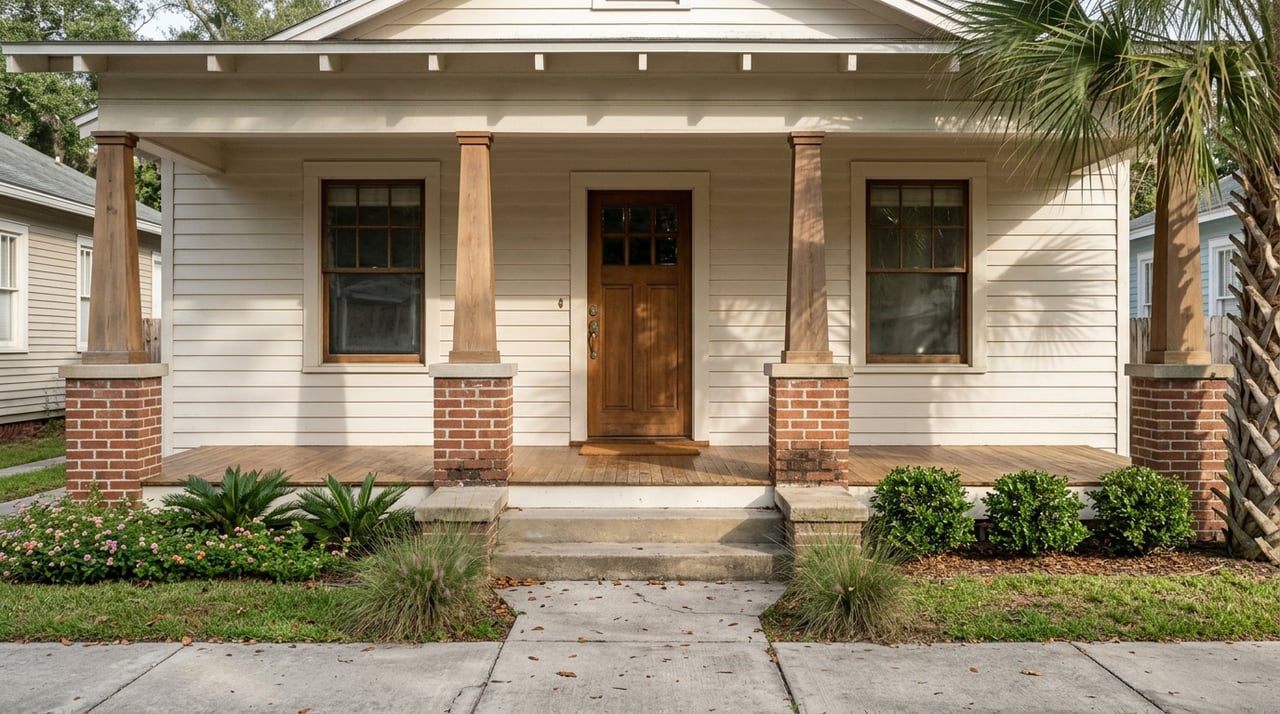
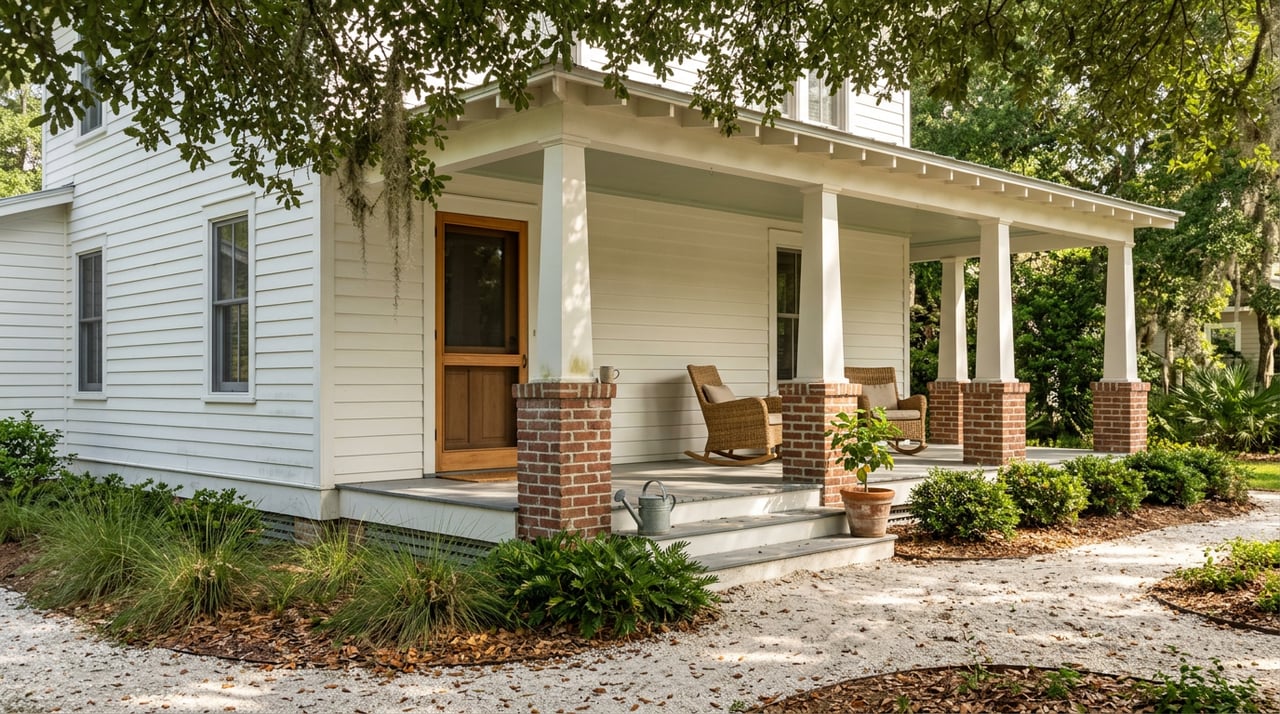
Biltmore-Cumberland has a more suburban feel, with one- to two-story homes, front porches, gable and hip roofs, and some 1940s and 1950s carports and garages. Lake Hunter Terrace reflects early subdivision roots and includes many post-World War II homes, with a shift from Bungalows to Modern Masonry Vernacular styles.
The East and South Lake Morton districts are shaped by Florida Boom-era development, especially Bungalow and Mediterranean styles, along with rolling topography and lake-oriented streetscapes. In practical terms, that means your experience of buying a historic home in Lakeland depends heavily on the specific district, not just the age of the house.
Lakeland periodically resurveys its historic districts, and the city notes that newer structures can be added as contributing resources if they retain historic integrity. So in Lakeland, a historic setting may include later infill or mid-century homes, not only early-1900s bungalows.
That is helpful if you love established surroundings but want a home that may feel slightly more updated in age or design. It also reinforces why you should verify how a specific property is classified before making plans for renovations.
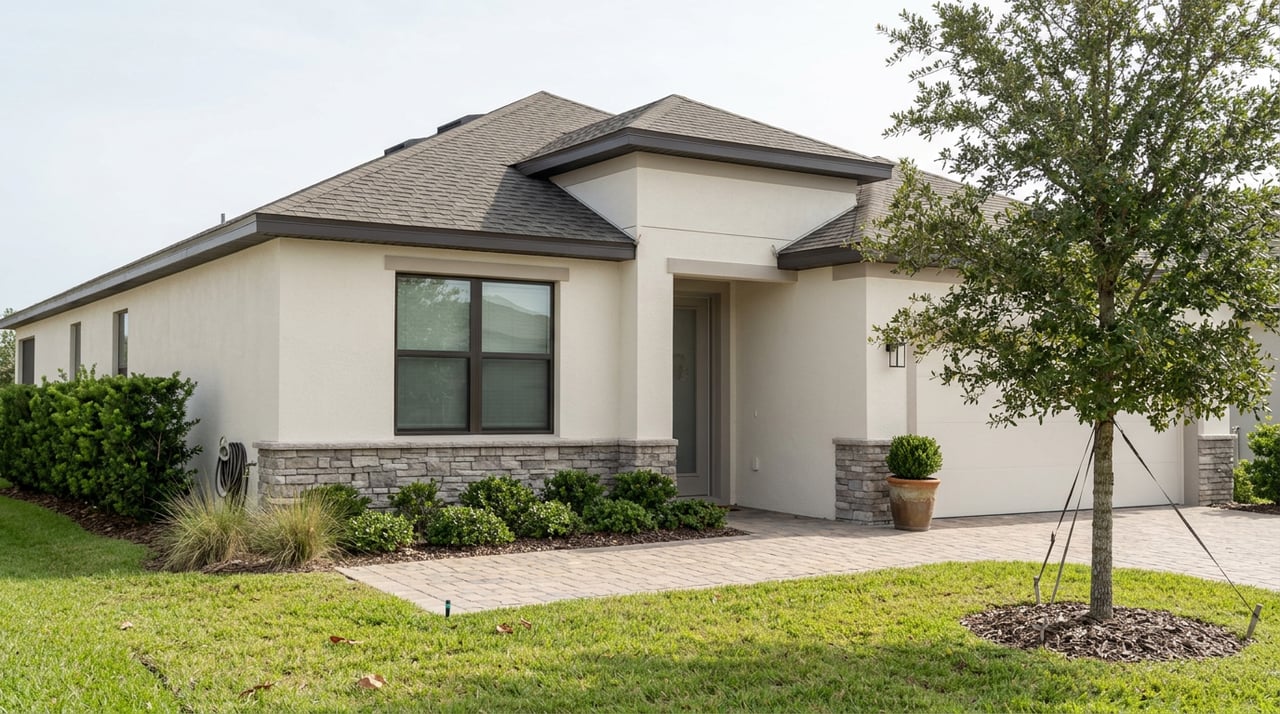
Newer homes in Lakeland are often found in planned communities designed around modern layouts and everyday convenience. Recent examples in the market have included one- and two-story single-family homes with open-concept kitchens and living areas, 3- to 5-bedroom options, flex rooms or lofts, owner’s suites, 2-car garages, patios, and contemporary finishes.
Builders also commonly highlight features such as block construction, architectural shingles, stucco exteriors, and smart-home technology. For many buyers, that translates into a home that feels more move-in ready and better aligned with how households often use space today.
Homes built now are subject to the Florida Building Code, 8th Edition (2023), which became effective December 31, 2023. While every property still deserves careful review, newer construction usually comes with a more standardized building envelope and fewer near-term unknowns than an older home.
That does not mean every new home is simple. You still need to look closely at upgrades, lot conditions, drainage, HOA obligations, and final punch-list items before closing.
If you are deciding between the two, it helps to focus on what daily life will feel like, not just what the listing photos show.
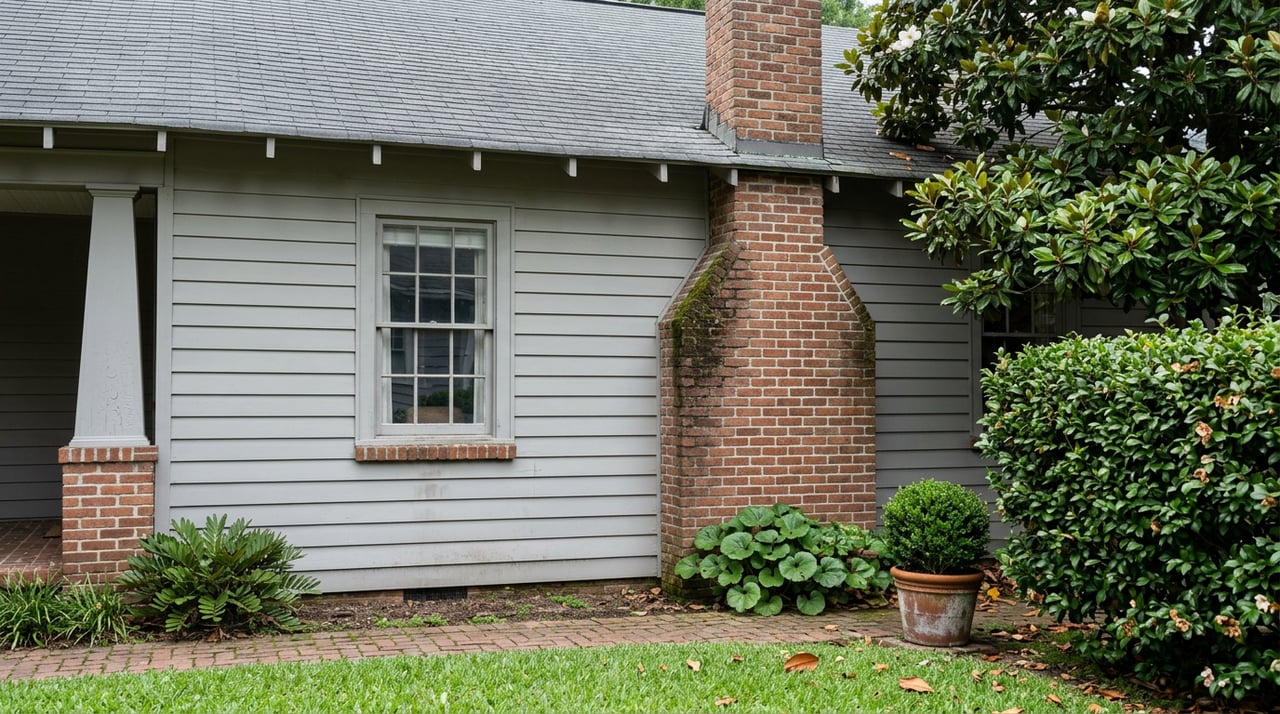
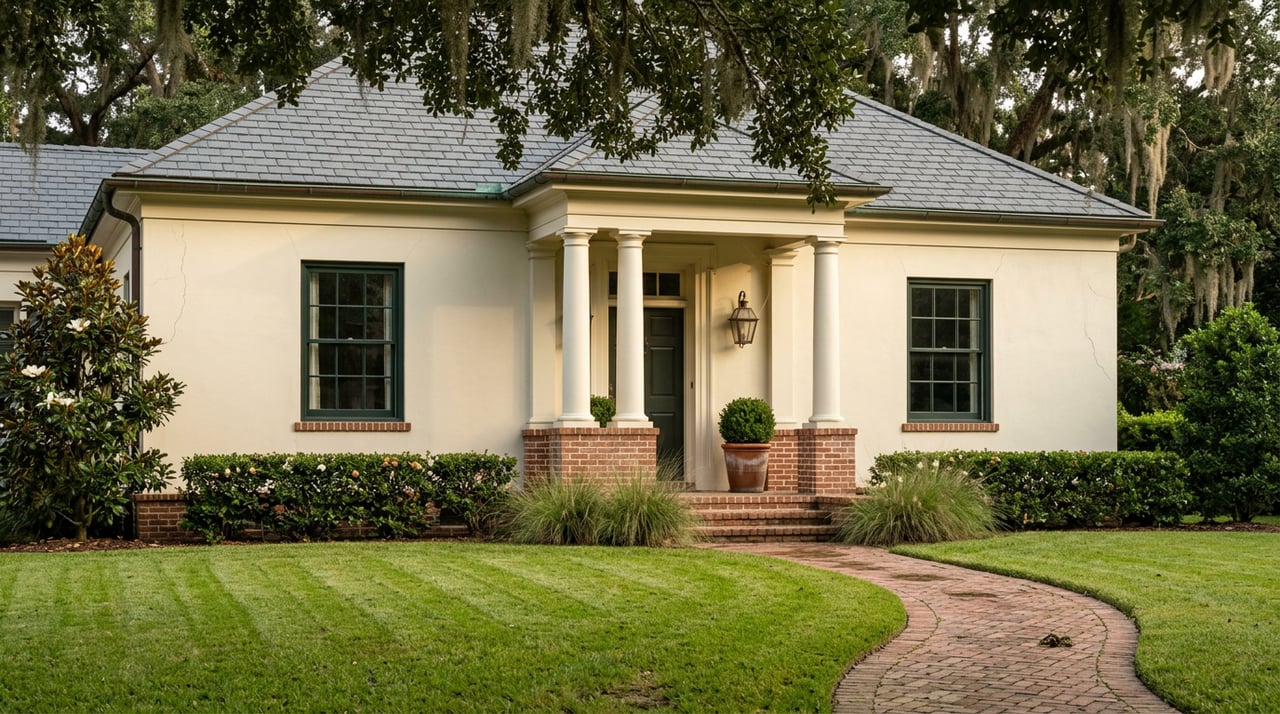
Historic homes in Lakeland often offer a stronger sense of place. Depending on the district, you may find mature tree canopy, brick streets, lake views, smaller-scale streets, sidewalks, and homes with distinctive architectural details.
For buyers who value originality and an established setting, that can be a major advantage. These homes often feel connected to the city’s history in a way newer neighborhoods usually do not.
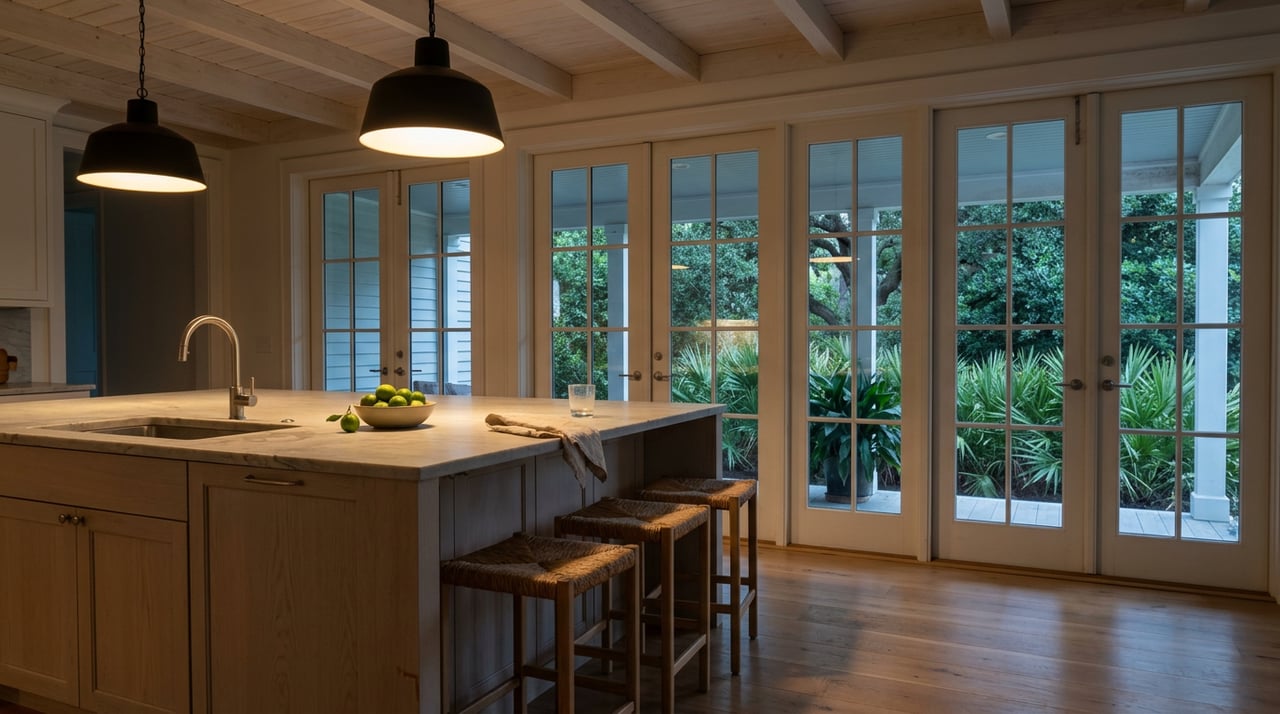
New construction often appeals to buyers who want open floor plans, newer systems, and less immediate repair risk. If you want a kitchen that opens to the main living area, extra bedroom flexibility, or less near-term work after move-in, a newer home may fit your priorities better.
This can be especially helpful if you are balancing work, family schedules, or a relocation timeline and want a more predictable transition.
One of the biggest practical differences is flexibility. In Lakeland, a Certificate of Review is required before exterior alterations, new construction within a historic district, relocation of a historic building, or demolition.
That matters if you already know you want to change windows, rework a porch, alter siding, repaint certain exterior features, or add onto the home. A historic property may still be the right fit, but you should go in with a clear understanding of the review process.
With historic homes, budgeting often centers on maintenance, repairs, and renovation timing. With new construction, budgeting often shifts toward builder upgrades, lot premiums, HOA fees, and amenity costs.
That difference matters because two homes with similar price tags can feel very different financially over the next five to ten years. The smarter comparison is usually total cost of ownership, not just purchase price.
A calm decision starts with the right questions. Here are the most useful ones to bring into showings, inspections, and builder conversations.
These questions help you understand both the condition of the home and the limits on future changes. That is especially important in a historic district, where character and oversight are part of the package.
These questions can help you avoid surprises that often show up late in the process. A new home can feel straightforward at first, but the details still matter.
If you are still torn, use your lifestyle as the tiebreaker.
Choose historic if you care most about architectural character, mature surroundings, and an established setting. Choose new construction if you care most about an open layout, newer systems, and fewer immediate repair unknowns.
Then take one more step and compare ownership costs over the next 5 to 10 years. In Lakeland, that is often the clearest way to see which option truly fits your goals.
There is no one-size-fits-all answer in Lakeland, and that is actually a good thing. You have the chance to choose between homes that offer history and setting or homes that offer modern design and predictability.
The right move is the one that matches how you want to live, what level of upkeep feels realistic, and how much flexibility you want in the years ahead. If you want a calm, strategic second opinion as you weigh your options in Lakeland, connect with Melissa Connell for clear guidance and personalized support.
Stay up to date on the latest real estate trends.
I provide strategic assistance with pricing analysis, offer preparation, contract drafting, and negotiation ensuring every decision is informed and advantageous. Let’s begin the conversation.
Get In Touch With Palm & Pine Realty Group To Learn More
PALM & PINE REALTY GROUP
(813) 478-3180
[email protected]
Office - [email protected]
Sellers - [email protected]
Buyers - [email protected]
CENTRAL & NORTH CENTRAL FLORIDA