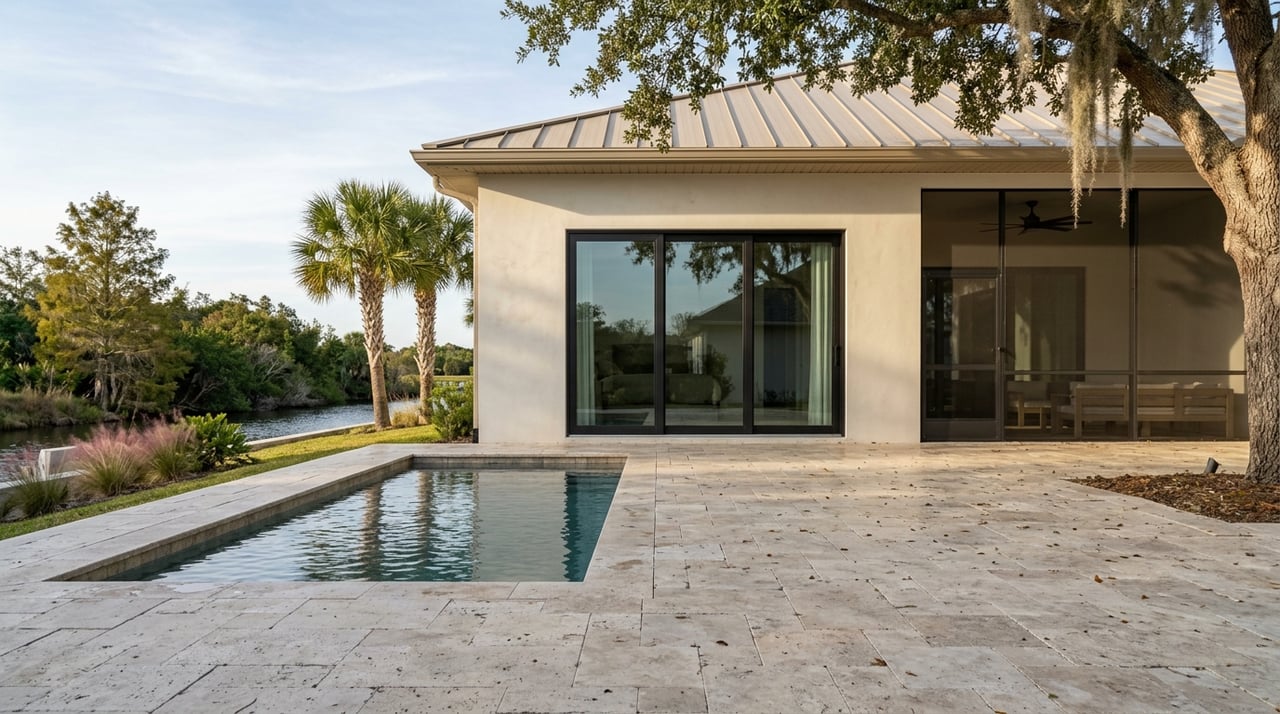
North Central Florida Land Or Waterfront? How To Choose
June 25, 2026
June 25, 2026
If you are torn between a waterfront home and inland acreage in North Central Florida, you are not alone. This part of Florida offers two very different lifestyles, and both can be a great fit depending on how you want to live, relax, and use your property. The key is knowing which tradeoffs matter most to you before you write an offer. Let’s dive in.
North Central Florida gives you a real split in lifestyle options. In places like Crystal River and Homosassa, many buyers are drawn to spring-fed rivers, Gulf-connected waterways, and day-to-day boating access. In inland areas like Dunnellon, Chiefland, Bronson, Archer, and surrounding country settings, buyers often focus more on space, privacy, and flexible land use.
That difference matters because the questions you need to ask are not the same. A waterfront property may put flood review, insurance, and access to the water at the top of your list. A land purchase may shift your focus toward zoning, boundaries, well and septic systems, and how you plan to use the property over time.
In this region, parcel details matter more than broad labels. Florida’s water management districts handle issues tied to water supply, water quality, flood protection, floodplain management, and natural systems. That means two properties in the same town can come with very different practical considerations.
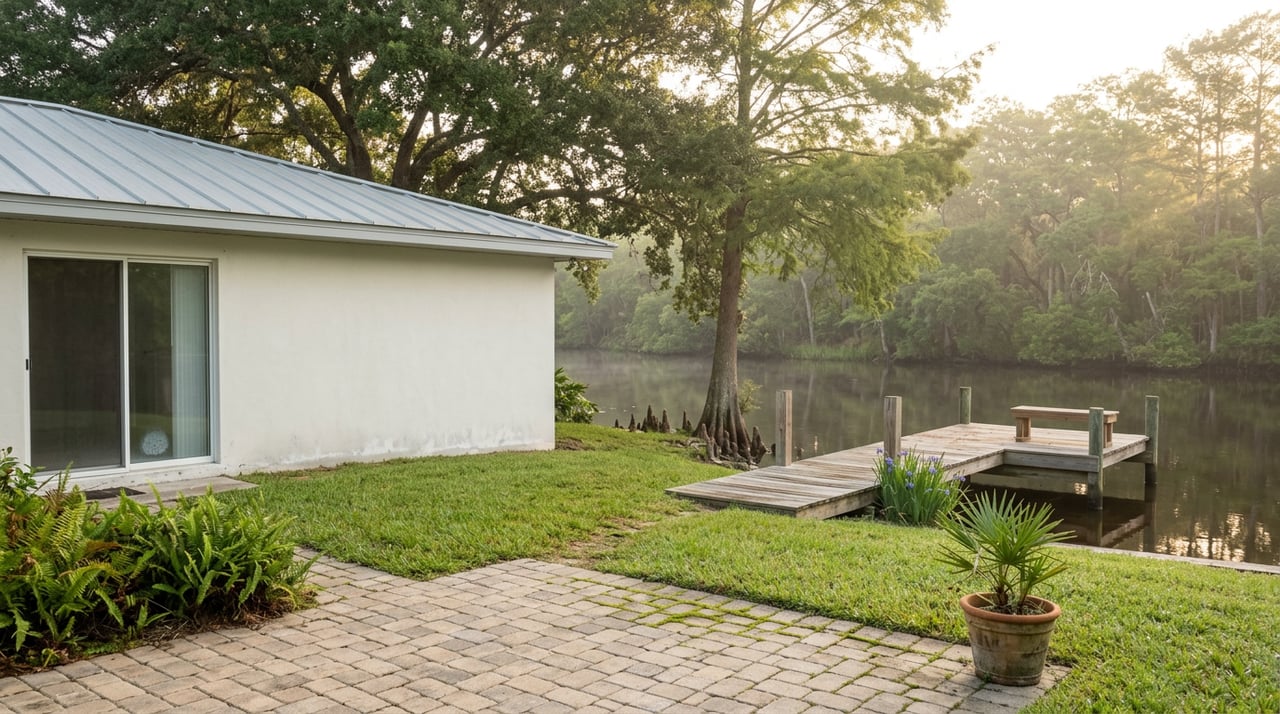
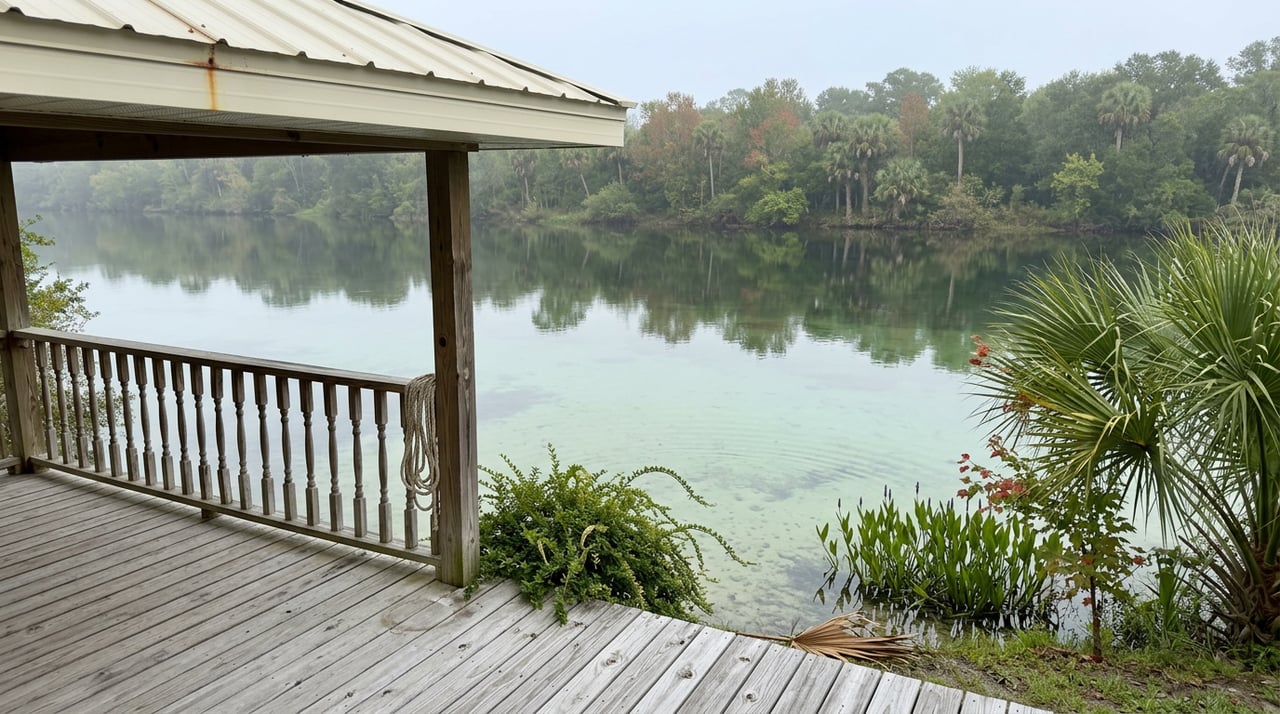
For many buyers, waterfront is about lifestyle first. In Crystal River and Homosassa, official local sources highlight boating, kayaking, paddle boarding, fishing, swimming, wildlife watching, and scalloping. If your ideal day starts on the river or ends with a boat ride toward the Gulf, waterfront can be a strong match.
Homosassa is described as a spring-fed waterway leading to the Gulf, and public boat access connects users to the Homosassa River, nearby tributaries, and Gulf waters. In Crystal River, official sources also point to launches that connect paddlers to the Crystal River and onward toward the Gulf. If easy water access is your top priority, those features can shape your decision more than square footage or lot size.
This part of Florida also has a unique relationship with wildlife and shared waterways. Crystal River National Wildlife Refuge protects manatee habitat, and the Crystal River and Kings Bay area is the only place in Florida where swimmers are monitored around manatees. That adds to the appeal for many buyers, but it also reminds you that waterfront ownership here can come with seasonal rules and public activity around the water.
Waterfront or Gulf-access property may be the better choice if you want:
If that sounds like your long-term vision, waterfront may be worth the extra due diligence.
The biggest difference with waterfront property is usually not just the view. It is the level of review you should do before moving forward. Flood exposure, insurance costs, and location-specific property details deserve early attention.
Florida law requires a flood disclosure to residential buyers at or before contract execution. That disclosure also makes clear that standard homeowners insurance does not cover flood damage. For buyers in waterfront or low-lying areas, this is not a small detail. It is a core part of the ownership cost picture.
FEMA’s Flood Map Service Center is the official public source for flood hazard information, and county mapping tools can add another layer of local detail. If the home is in a Special Flood Hazard Area and the loan is secured by a government-backed mortgage, flood insurance may be required by the lender. Premiums can vary based on the property’s location, how the home is built, and replacement cost.
It is also important to know that flood insurance does not cover everything outside the structure. Certain items such as landscaping, septic systems, decks and patios, fences, and swimming pools may not be covered. That is one reason early insurance review matters so much for waterfront and Gulf-access homes.
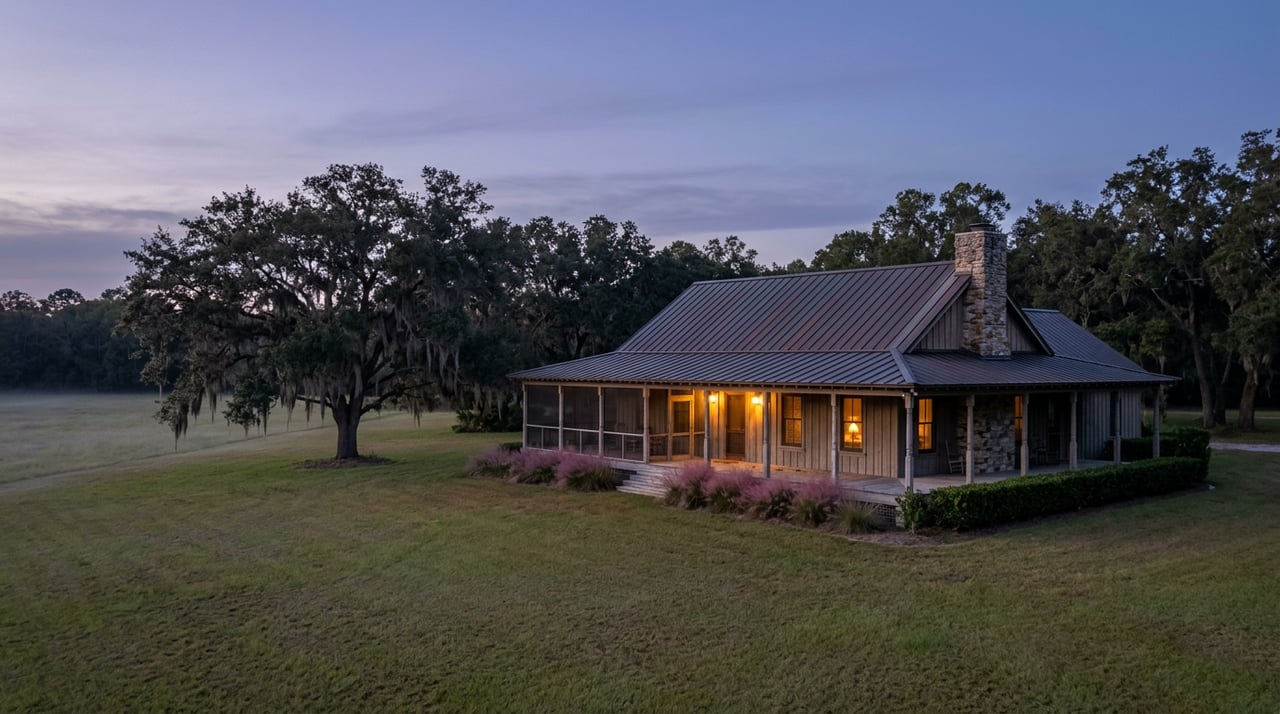
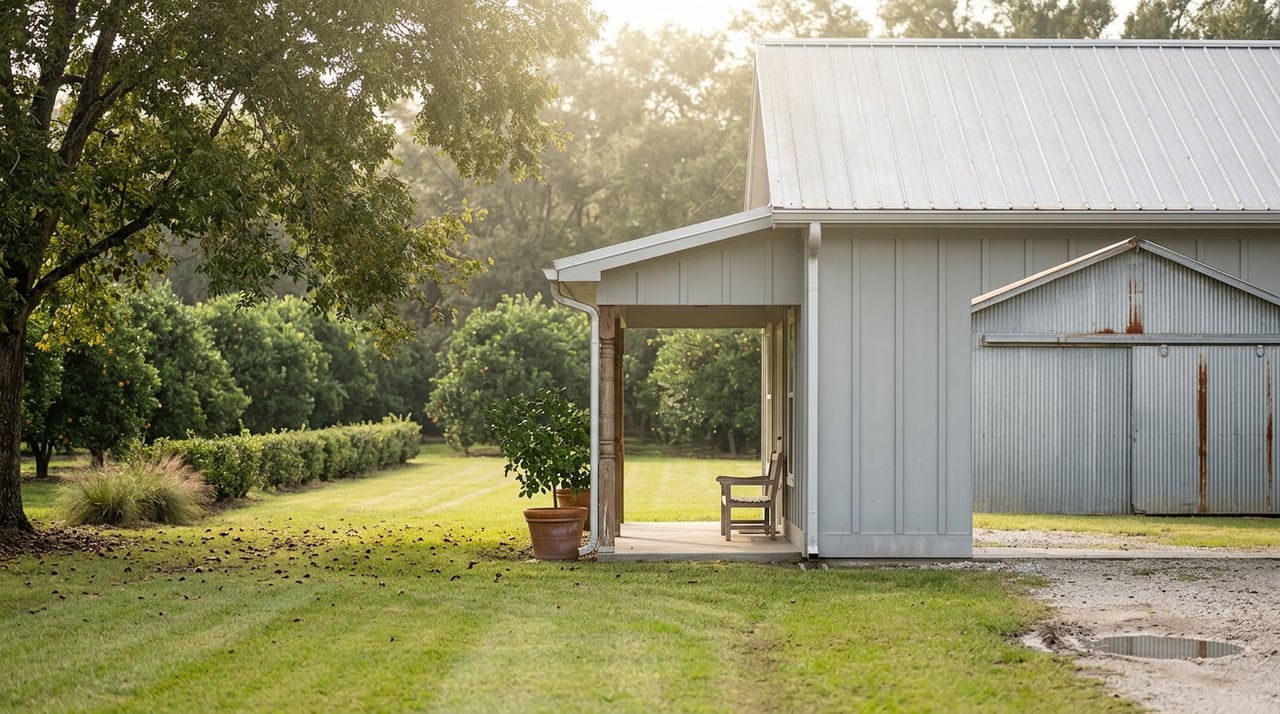
If your top goals are privacy, elbow room, and flexibility, inland acreage may be the stronger choice. Many buyers looking at country properties in North Central Florida want usable land, more distance from neighbors, and options for hobby or recreational use. In that case, direct water access may matter less than how the land functions day to day.
Inland parcels often feel simpler on the surface, but they come with their own set of important checks. Instead of focusing on docks, channels, or seasonal water use, you may need to pay closer attention to zoning, parcel boundaries, legal access, flood layers, and utility questions. That is especially true for vacant land or rural homesites.
County tools can help buyers get a clearer picture before they commit. Citrus County’s Property Appraiser provides parcel ownership maps, aerials, sales data, and other property information. Levy County also directs buyers to review parcel search tools, zoning layers, and FEMA flood zone layers before purchasing.
Inland acreage may be the better choice if you want:
For many buyers, that trade feels worthwhile because the property supports a broader range of day-to-day uses.
With rural and land purchases, the biggest risks often come from things that are easy to overlook. You want to know exactly what you are buying, how you can access it, and what systems support it. That is why due diligence tends to be more parcel-specific with acreage.
For many North Central Florida rural properties, wells and septic systems are major decision points. The Florida Department of Health says private well owners should test for bacteria and nitrate at least once a year, even though routine private home well sampling is not required by the state. If a property depends on a private well, you should understand its condition and testing history.
For septic systems, the Florida Department of Health says buyers should request an inspection and assessment. The evaluator must be a state-licensed septic tank contractor or plumber, or a certified environmental health professional. This step can help you avoid costly surprises after closing.
Wastewater planning matters in this region because groundwater and springs are closely connected. UF/IFAS explains that all springs are fed by groundwater, and state spring-protection rules address nitrate and septic impacts in vulnerable areas. Even if you are not buying directly on the water, lot size, septic placement, and water-source planning can still be important in spring country.
If you are stuck between the two, start with your non-negotiables. Ask yourself what you want to do with the property most days, not just on your best vacation-style weekend. That usually makes the right choice easier to see.
Choose waterfront if your top priority is a home built around boating, paddling, fishing, or spring-and-Gulf living. Choose Gulf-access if you want the water lifestyle but prefer reaching the Gulf through a river or canal connection instead of direct open-coast frontage. Choose inland acreage if privacy, usable land, and a more flexible country setup matter more than immediate water access.
If you still feel split, compare the two options side by side:
| Priority | Waterfront or Gulf-Access | Inland Acreage |
|---|---|---|
| Daily lifestyle | Water recreation and boating | Privacy and open space |
| Main due diligence | Flood zone, insurance, water access | Zoning, access, well, septic |
| Property use focus | River, spring, or Gulf connection | Land flexibility and rural use |
| Key risk to review early | Flood exposure and insurance cost | Utility and land-use limitations |
No matter which path you choose, a few early steps can save you time, stress, and money. These are especially important in North Central Florida, where property conditions can change from parcel to parcel.
Before making an offer, make sure you:
These steps give you a cleaner decision framework. They also help you compare two very different properties on facts, not just first impressions.
Choosing between land and waterfront in North Central Florida is really about choosing how you want to live. One path may put you closer to the river, the Gulf, and daily recreation. The other may give you more room, more flexibility, and a quieter country setup. If you want calm, strategic guidance as you sort through those tradeoffs, Melissa Connell can help you evaluate the options and move forward with confidence.
Stay up to date on the latest real estate trends.
I provide strategic assistance with pricing analysis, offer preparation, contract drafting, and negotiation ensuring every decision is informed and advantageous. Let’s begin the conversation.
Get In Touch With Palm & Pine Realty Group To Learn More
PALM & PINE REALTY GROUP
(813) 478-3180
[email protected]
Office - [email protected]
Sellers - [email protected]
Buyers - [email protected]
CENTRAL & NORTH CENTRAL FLORIDA