What to Know Before You Sell Acreage in Dade City & Zephyrhills
May 21, 2026
May 21, 2026
Selling acreage is rarely as simple as putting a sign out front and waiting for offers. In Dade City and Zephyrhills, buyers look at rural property through a very different lens than they do a typical neighborhood home. If you are thinking about selling acreage, it helps to know what buyers, appraisers, and closing professionals will focus on before your property hits the market. Let’s dive in.
Acreage in Pasco County is usually judged by how the land functions, not just by the total number of acres. Buyers often want to know how usable the land is, how it is accessed, what improvements are in place, and whether utilities or septic systems are already serving the property.
That matters in Dade City and Zephyrhills, where rural, agricultural, and lifestyle properties can vary a lot from one parcel to the next. Two properties with the same acreage can have very different value if one has better access, clearer boundaries, stronger utility setup, or more functional improvements.
Pasco County also treats agricultural land with its own rules and classifications. County materials note that agricultural classification is based on bona fide use, and the AC-1 district is intended to preserve rural and open character while allowing agricultural and open-space uses such as barns, stables, and horse pasturage.
Pricing acreage starts with recent comparable sales, but not every nearby sale is truly comparable. The most useful comparisons are the ones that match your property in usable acreage, access, improvements, and utility setup.
For example, a parcel with a barn, fencing, and established access may not compare well to raw land with no clear entry point. A property with septic, water access considerations, or road frontage may also need a different pricing strategy than a similar-sized tract without those features.
Florida real estate guidance and UF/IFAS both support using recent similar sales and clear, verifiable property data when evaluating value. For sellers, that means pricing should be based on more than just size or a rough price-per-acre estimate.
If your property has agricultural use or classification, that can shape how buyers and professionals evaluate it. Pasco County notes that agricultural classification is considered using factors such as the length and continuity of use, purchase price, size, condition, lease status, income, productivity, and market value as agricultural land.
That does not mean every acreage listing should be marketed the same way. It does mean your existing use, documentation, and history may play an important role in the pricing discussion.
If agricultural classification is part of your property story, timing also matters. Pasco County states that applications are filed annually, with deadlines between January 1 and March 1.
With acreage, site conditions often have an outsized effect on value. UF/IFAS notes that soil properties can affect drainage, foundations, and septic systems, which means buyers may look closely at what the land can realistically support.
Flood location can also come into play. Pasco County participates in the National Flood Insurance Program, and county materials note that many areas are within special flood-hazard zones. If part of your property falls in a flood-related area, buyers will likely factor that into both price and future plans.
One of the best ways to reduce friction during the sale is to gather the right documents early. Acreage buyers tend to ask more detailed questions than suburban homebuyers, and having answers ready can help your listing feel more credible and easier to evaluate.
A strong file may include:
UF/IFAS identifies these mapping and land-description details as useful core items in land planning. In practice, they also help buyers understand what they are looking at before they visit the property.
If your acreage depends on septic or specific utility arrangements, clear records become even more important. The Pasco County Health Department states that new septic installations, repairs, modifications, and approvals of existing systems require a permit.
County materials also reference a water-availability form that tracks whether water is available in a public easement or right-of-way. If you already have permits, approvals, or utility details, organizing them before listing can make buyer due diligence smoother.
Acreage buyers are not only buying square footage or raw space. They are often buying a use case. That could mean pasture, equestrian setup, outbuildings, access for equipment, or room for a specific rural lifestyle.
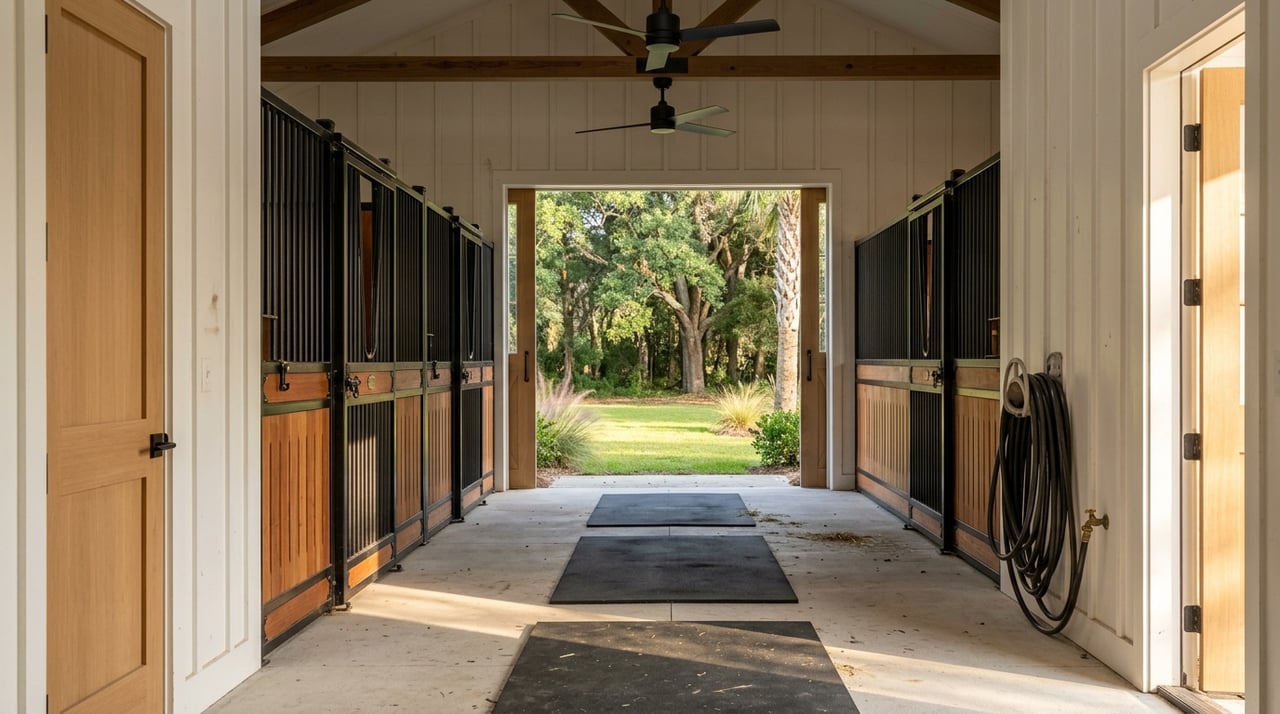
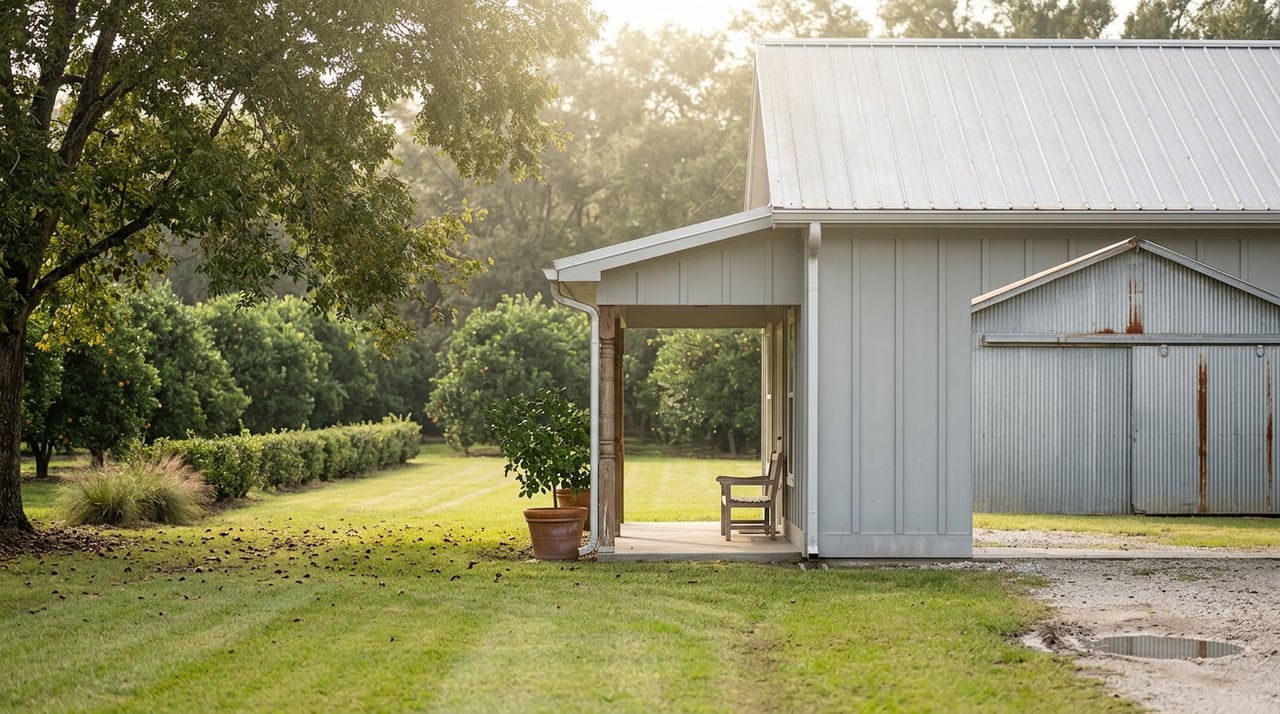
If your property includes barns, shelters, paddocks, fencing, gates, or other functional improvements, those details should be clearly shown and described. Buyers, lenders, and appraisers need a clear picture of how those features contribute to the property.
Access is one of the biggest issues in rural property sales. Pasco County's access-management rules state that owners abutting a county road have a right to reasonable access, but not unregulated access.
The county also states that no building permit may be issued unless the lot has legal access to a dedicated street, recorded plat, or another authorized form of access. That means access questions are not minor details. They can affect buyer confidence, financing, and future plans for the property.
Many acreage properties rely on private roads, shared drives, ingress and egress language, gates, or cattle guards. These features may seem obvious when you walk the land, but what matters in a transaction is what is actually documented.
Before listing, it is wise to verify recorded access through official county records and plats rather than relying only on appearance or long-term use. Pasco County records can help confirm deeds, mortgages, and plat maps, which gives buyers a clearer picture of what is formally in place.
UF/IFAS explains that easements may be created by written agreement or necessity, and their location generally cannot be changed without agreement. Maintenance responsibilities may also depend on the terms of the easement or the easement holder.
If your tract includes a utility easement, access easement, or a shared-use arrangement, that should be reviewed early. When acreage is partly cut off from road access or appears landlocked, a statutory way of necessity may become relevant, which can add complexity to negotiations.
Acreage sales are not exempt from Florida disclosure rules. Florida real estate guidance states that sellers must disclose known facts that materially affect value and are not readily observable, even when the sale is structured as as-is.
That can include issues tied to condition, access, flood matters, or other hidden concerns that a buyer would not easily discover during a casual visit. The same body of guidance also notes that flood disclosure must be provided at or before contract execution.
Pending code-enforcement actions require specific written disclosure and transfer notice. Rural parcels may also raise permitting concerns in some cases, including issues involving gopher tortoises before development-related activity begins.
A standard acreage contract often needs more detail than a simple in-town home sale. UF/IFAS notes that a purchase offer should clearly address price, deposit, terms and conditions, final walk-through, closing date, and possession date.
For acreage, the contract should also spell out what conveys with the property. That may include barns, fencing, wells, pumps, leased pasture arrangements, or existing conservation or access easements.
Clarity up front helps avoid confusion later. It also gives the buyer, lender, and appraiser a more consistent understanding of the property.
If you want a smoother sale, the goal is not just to list your acreage. The goal is to present it in a way that answers the right questions before they become objections.
A smart preparation plan usually includes:
This kind of preparation supports stronger pricing, cleaner negotiations, and fewer surprises once a buyer begins due diligence.
Selling acreage in Dade City and Zephyrhills takes a more strategic approach than selling a standard residential lot. When pricing, access, site conditions, documentation, and disclosures are handled with care, you put yourself in a stronger position from the start. If you want calm, informed guidance on how to prepare and position your property, Melissa Connell can help you map out the next steps.
Stay up to date on the latest real estate trends.

I provide strategic assistance with pricing analysis, offer preparation, contract drafting, and negotiation ensuring every decision is informed and advantageous. Let’s begin the conversation.
Get In Touch With Palm & Pine Realty Group To Learn More

PALM & PINE REALTY GROUP
(813) 478-3180
[email protected]
Office - [email protected]
Sellers - [email protected]
Buyers - [email protected]
CENTRAL & NORTH CENTRAL FLORIDA