Nature Coast Waterfront vs Acreage: How Should You Choose?
April 16, 2026
April 16, 2026
Choosing between riverfront, Gulf access, and acreage in North Central Florida is not just about price or views. It is really about how you want to live day to day. If you are searching in places like Homosassa, Crystal River, Inglis, Dunnellon, Chiefland, Bronson, or Archer, the right fit often comes down to whether you want water woven into everyday life, boating access to open water, or room to spread out on land. This guide will help you compare the tradeoffs clearly so you can narrow your search with confidence. Let’s dive in.
In North Central Florida, these property types can look similar in a listing search, but they often function very differently in real life. The broader Nature Coast is known for wildlife, shoreline access, and spring-fed waterways, while inland areas add river country, rural homesites, and larger land parcels.
According to Visit Florida’s overview of Florida regions and terms, the Nature Coast generally stretches from Bayonet Point through Homosassa Springs and Crystal River to Steinhatchee. The local water story is also shaped by the Nature Coast Aquatic Preserve, which spans 800 square miles, includes 625 miles of shoreline, and has a public access network with 14 boat ramps.
That means many buyers here are really choosing among three ownership models:
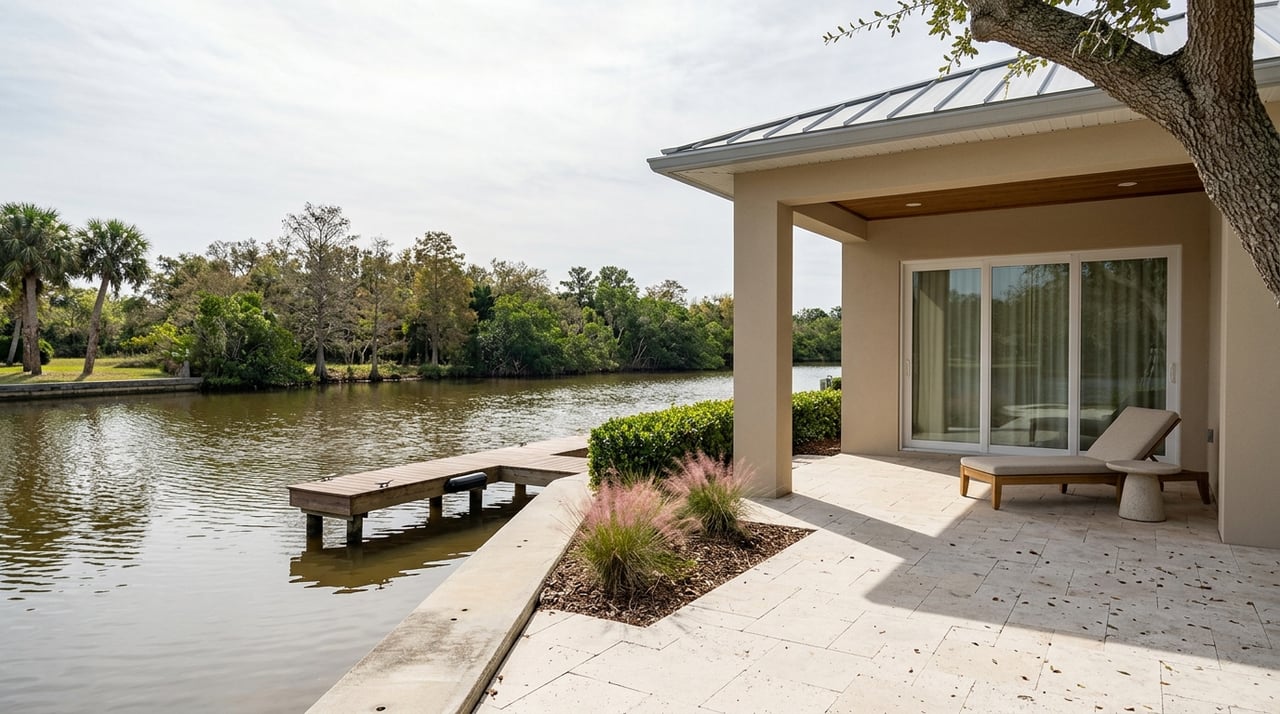
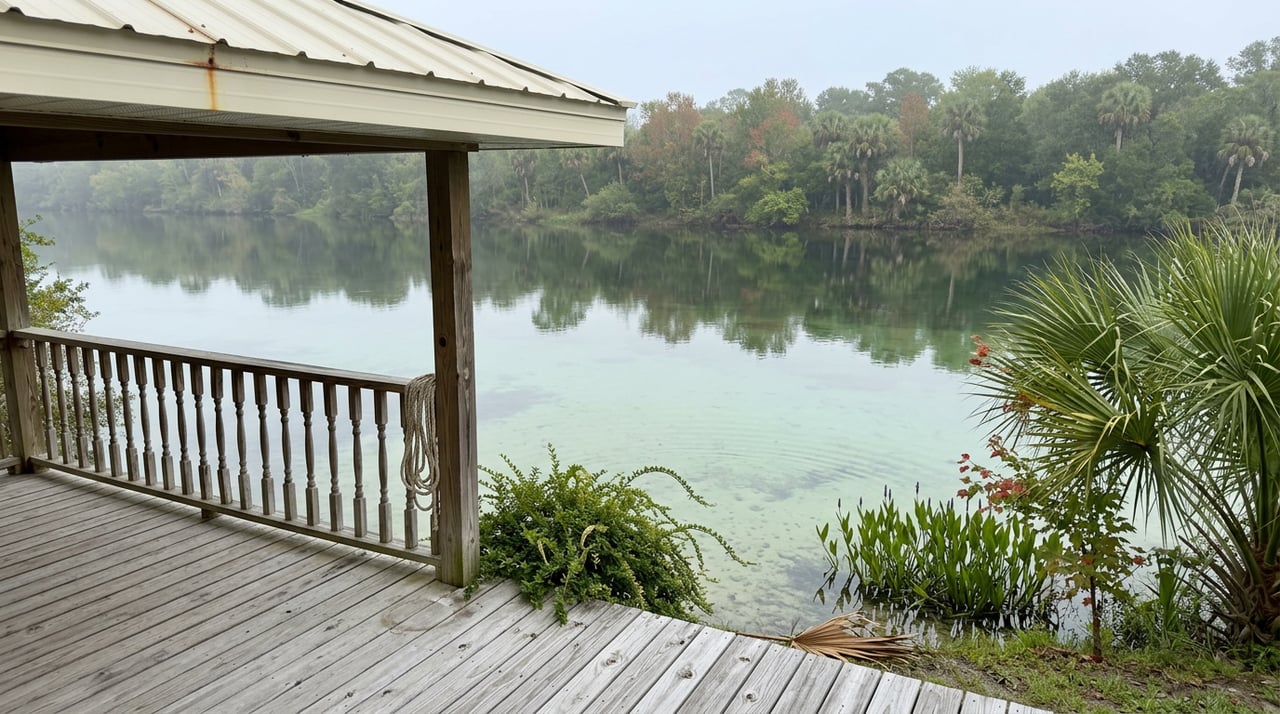
Riverfront homes are often the best match if you want the water to be part of your everyday routine. In areas around Crystal River and Homosassa, that can mean easy access to paddling, fishing, springs, and wildlife viewing rather than a straight shot to open Gulf boating.
The Crystal River National Wildlife Refuge highlights boating, paddling, fishing, photography, and wildlife watching as core activities. It also notes that public boat ramps and kayak launches help people reach places like Three Sisters Springs, which shows how central water access is to the local lifestyle.
If you are drawn to riverfront property, you may value:
For many buyers, riverfront living is less about speed and range on open water and more about a slower, more immersive connection to the river itself.
Riverfront ownership also comes with responsibilities. FEMA’s flood-risk guidance explains that flood exposure can be affected by river overflow, heavy rainfall, distance to water, and elevation. Flood insurance may still be available even if a home is outside a high-risk zone.
Shoreline improvements matter too. If you plan to build or modify a dock, Florida DEP’s dock permitting guidance explains that the project may require an exemption, a general permit, or an individual permit depending on the site and scope of work. In aquatic preserves, some simplified self-certification options do not apply.
In the Crystal River area, wildlife protection can also shape how you use the water. The Crystal River National Wildlife Refuge notes that warm-water sanctuaries close from November 15 to March 31 during colder months to protect manatee habitat.
That does not mean riverfront ownership is less appealing. It just means that access patterns, boating routes, and recreation rules may shift seasonally, and it is smart to understand those details before you commit.
Gulf-access property is usually the strongest fit if your priority is getting out to open water. In this market, that does not always mean direct beachfront location. A Gulf-access home may sit on a canal, protected shoreline, bay, or river route that connects outward.
This is an important distinction because a property can be waterfront without offering the boating access you want. That is why it helps to verify whether access is direct, tidal, canal-based, or dependent on a longer route.
If boating is central to your lifestyle, Gulf-access property may offer:
This can be a great fit for second-home buyers, relocators, or anyone prioritizing time on the water.
The biggest tradeoff is usually risk and permitting. FEMA defines high-risk flood areas as locations with a 1% annual chance of flooding, which adds up to a 26% chance over a 30-year mortgage. FEMA also highlights storm surge, wave action, and coastal erosion as major coastal hazards.
That is why early flood review matters. It often makes sense to check flood maps and get insurance quotes before you are deep into the buying process, especially if ownership costs will be part of your long-term budget.
Permitting can be another major consideration. Florida DEP’s dock guidance shows that even smaller residential dock projects may require review, and sites in aquatic preserves or on state-owned submerged lands may involve added authorization.
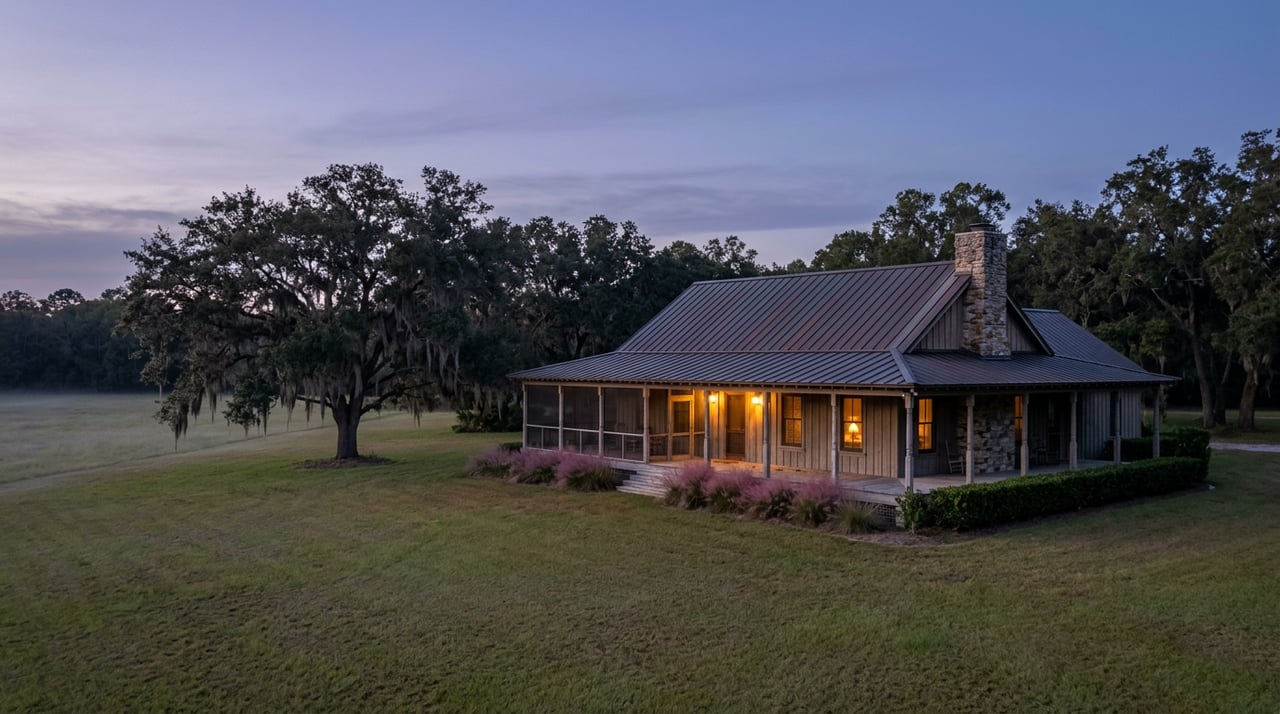
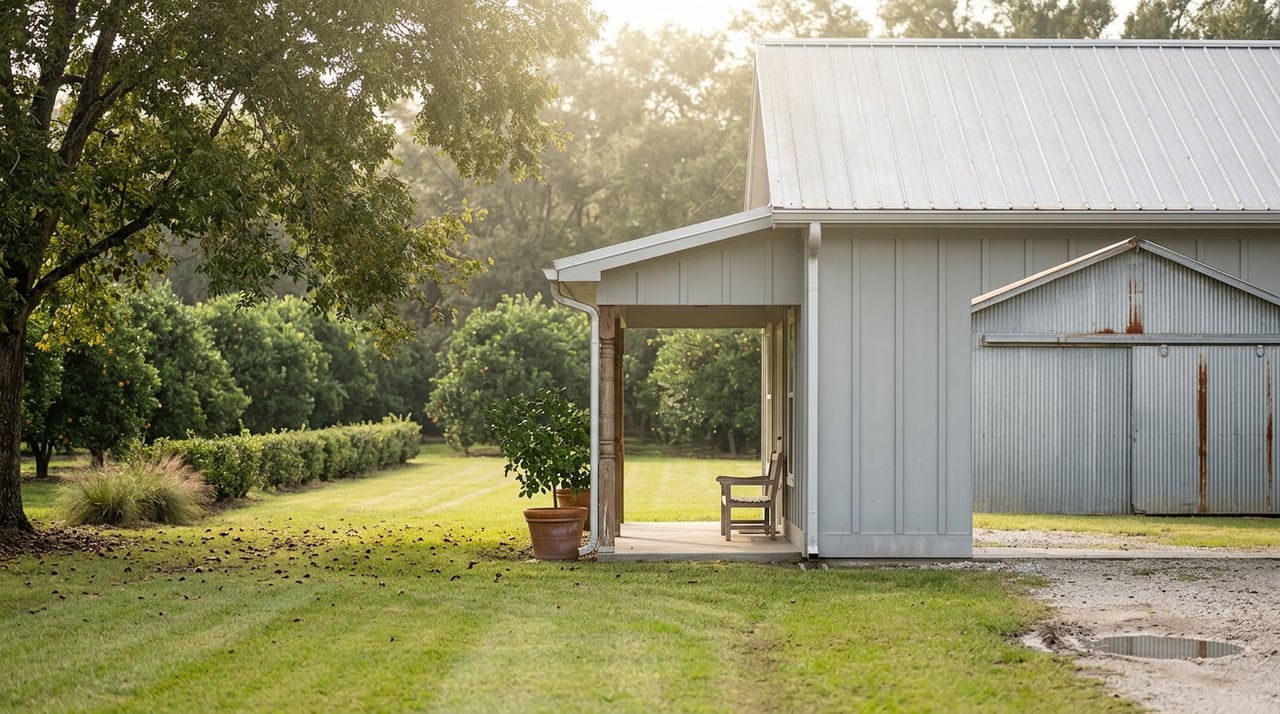
If your dream looks more like open space than shoreline, acreage may be the better choice. In inland parts of North Central Florida, acreage and country properties often appeal to buyers who want privacy, flexibility, and distance from more water-focused ownership costs.
This lifestyle can be a strong fit if you want room for outbuildings, recreation, or simply a different pace of life. It can also shift your due diligence away from docks and boat access toward utilities, drainage, and land conditions.
Acreage properties often appeal because they offer:
For many buyers, this is the clearest path to flexibility and room to grow.
With acreage, private systems are often part of the package. UF/IFAS guidance on private wells says private wells have minimal federal and state regulation, which means the owner is responsible for monitoring and testing. It also recommends bacteria and nitrate testing at least once a year.
Septic is just as important. The Florida Department of Health homebuyer septic guide advises buyers to request a septic inspection before closing, notes that tanks are generally pumped every three to five years, and explains that repairs or modifications require a construction permit.
Land can look usable on paper but still have limitations in the field. Florida DEP’s ERP FAQ explains that map layers alone cannot determine whether wetlands are present. A true determination requires on-site review of soils, vegetation, and hydrologic indicators.
That matters if you hope to clear land, build improvements, or change drainage patterns later. DEP also warns that unauthorized dredging or filling of wetlands or surface waters can lead to restoration requirements and fines.
If you feel torn between these property types, it helps to start with your daily priorities rather than the listing photos. Ask yourself what you want to do most often once you own the property.
Here is a simple way to frame it:
| Property Type | Best Fit For | Main Tradeoffs |
|---|---|---|
| Riverfront | Everyday paddling, fishing, springs, wildlife viewing | Flood review, shoreline upkeep, possible seasonal water-use limits |
| Gulf Access | Boating with a route to open water | Higher coastal flood risk, more permitting complexity |
| Acreage | Privacy, land use, flexibility, room to spread out | Well, septic, drainage, and possible wetlands review |
In short, riverfront is water-first, Gulf access is boating-first, and acreage is land-first.
No matter which direction you are leaning, a few early checks can save time and reduce surprises.
Use the official FEMA Flood Map Service Center to understand the property’s flood-hazard designation. This is one of the fastest ways to evaluate insurance questions and compare ownership risk.
If the home is near sensitive water areas, ask whether it falls within an aquatic preserve or a manatee-related management area. Seasonal rules or environmental protections may affect access and future improvements.
Do not assume a waterfront lot can support the dock, lift, or shoreline change you have in mind. Review what is already permitted and what may require DEP approval.
For country and acreage properties, ask for available records on well testing, septic inspections, and pumping history. These details matter for both budgeting and peace of mind.
If future land use matters to you, wetlands and drainage should be part of your due diligence early. A beautiful parcel can still have limitations that affect building or land improvements.
The best property on the Nature Coast or in North Central Florida is not always the one with the most dramatic photos. It is the one that fits your real lifestyle, your risk tolerance, and your long-term plans.
If you want help comparing riverfront homes, Gulf-access properties, or acreage across Homosassa, Crystal River, Inglis, Dunnellon, Chiefland, Bronson, Archer, and surrounding areas, Melissa Connell offers calm, strategic guidance designed to help you evaluate tradeoffs clearly and move forward with confidence.
Stay up to date on the latest real estate trends.
I provide strategic assistance with pricing analysis, offer preparation, contract drafting, and negotiation ensuring every decision is informed and advantageous. Let’s begin the conversation.
Get In Touch With Palm & Pine Realty Group To Learn More
PALM & PINE REALTY GROUP
(813) 478-3180
[email protected]
Office - [email protected]
Sellers - [email protected]
Buyers - [email protected]
CENTRAL & NORTH CENTRAL FLORIDA