Lakeland’s Lakefront Lifestyle and Neighborhoods
April 2, 2026
April 2, 2026
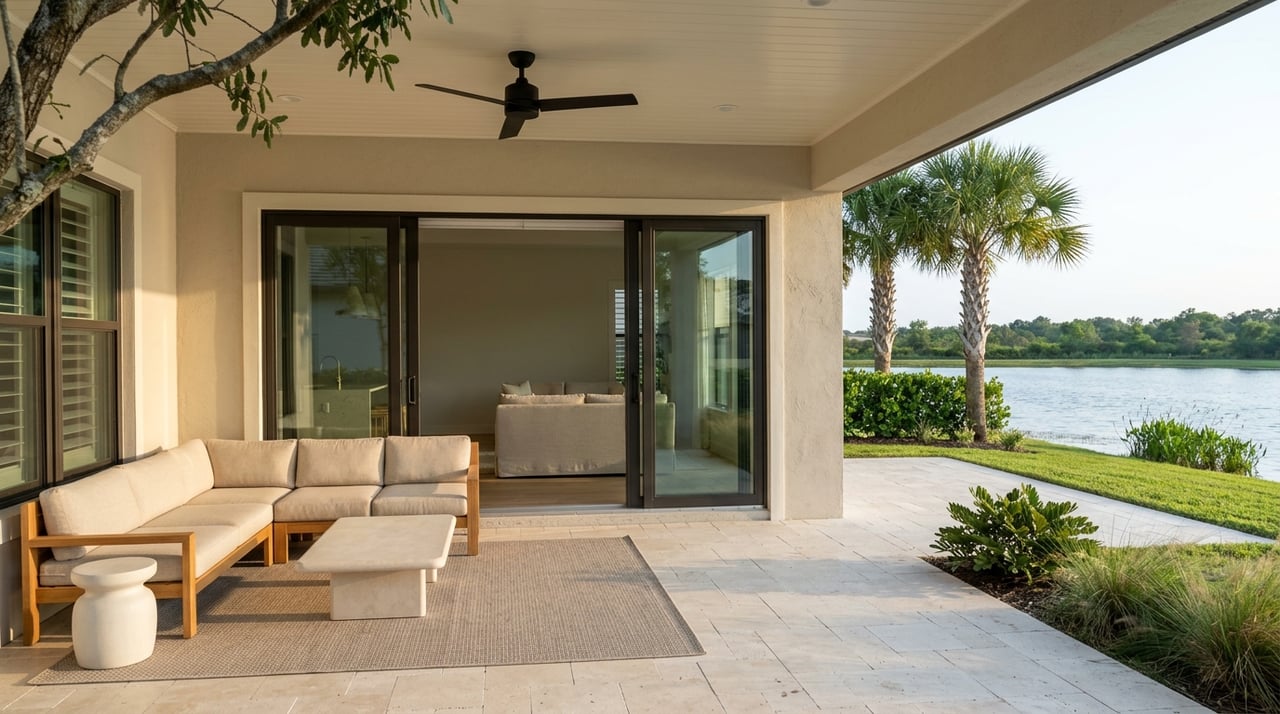
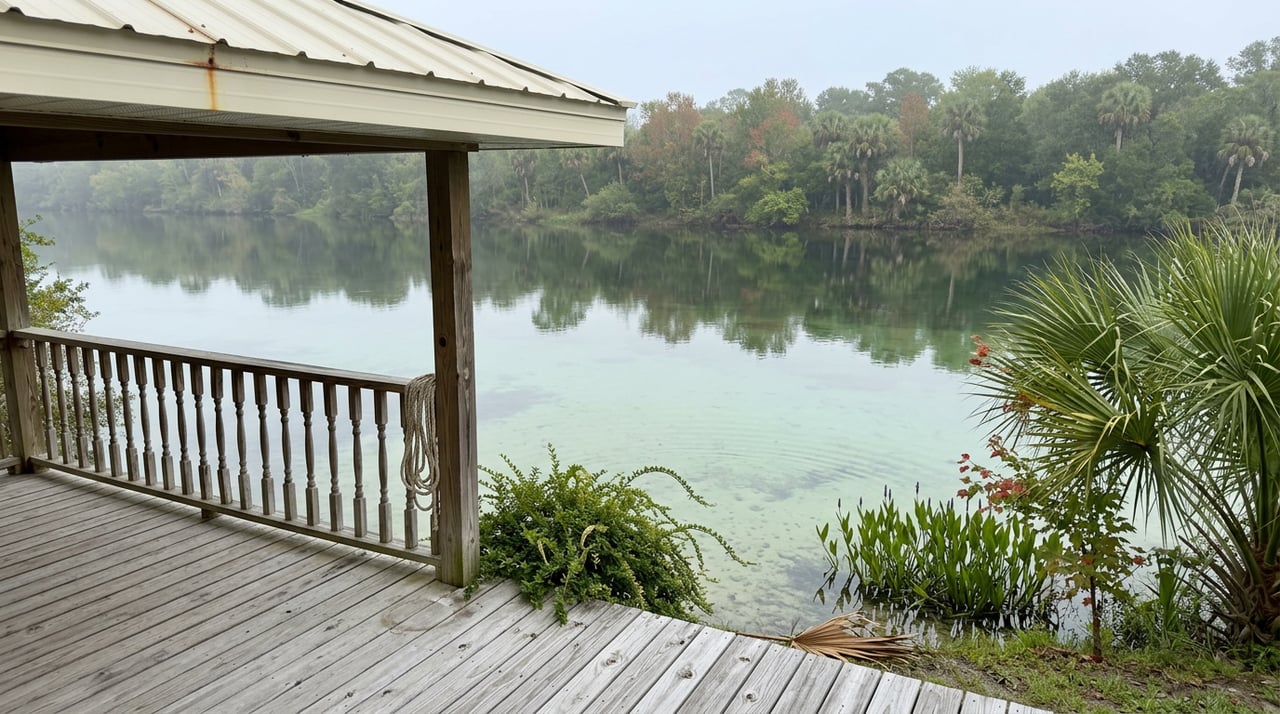
If you are wondering what makes Lakeland feel different from other Central Florida cities, the answer is often right in front of you: water. In Lakeland, lakes are not just pretty views from the car window. They shape where people walk, gather, exercise, relax, and even how the city is connected day to day. If you are thinking about a move here, understanding that lake-centered lifestyle can help you choose an area that fits how you want to live. Let’s dive in.
Lakeland is built around water in a very real way. According to the City of Lakeland, the city has 38 named lakes, and those lakes support recreation, wildlife habitat, scenic open space, and flood mitigation.
That matters because Lakeland’s lakefront lifestyle is not limited to a few waterfront streets. The city also explains that storm drains, wetlands, ponds, ditches, creeks, canals, and lakes are all part of a connected water system that flows into larger river systems, making water part of how Lakeland functions as a whole. You can see that connection in the city’s parks, trails, downtown spaces, and neighborhood layouts.
If you want the clearest example of how water shapes Lakeland, start downtown. The city describes downtown as a vital and enjoyable place centered around Munn Park, with shops, casual restaurants, pubs, craft breweries, and fine dining, while the historic district extends toward Lake Mirror and the Frances Langford Promenade.
This is where Lakeland’s lakefront identity feels most visible. Water, public gathering space, walkability, and local culture all overlap in one area, which gives downtown a rhythm that feels both active and relaxed.
The Lake Mirror Complex is one of the city’s strongest examples of lake-centered civic life. It includes the Frances Langford Promenade, the Loggia, Hollis Garden, Barnett Family Park, and indoor venues that bring residents and visitors to the lakeshore for more than just a quick photo.
This matters if you are comparing Lakeland to other cities where waterfront space feels more private or less connected. In Lakeland, Lake Mirror is a public place where you can actually spend time, walk, gather, and enjoy the setting as part of everyday life.
Just beside Lake Mirror, Hollis Garden shows how thoughtfully Lakeland uses lake-adjacent land. The city describes it as a 1.2-acre formal botanical garden with more than 10,000 flowers, ornamental shrubs, and native trees.
For you as a buyer, that adds another layer to the downtown lifestyle. It is not only about being near water. It is also about having well-kept, public outdoor spaces that make a neighborhood feel usable and memorable.
While Lake Mirror feels civic and central, Lake Morton has a quieter personality. The city notes that it is a designated bird sanctuary and home to Lakeland’s iconic swans, with picnic tables around the lake and close access to the public library and Polk Museum of Art.
That creates a more peaceful downtown-adjacent experience. Instead of a formal promenade, you get a lake that feels woven into a broader daily routine of walking, relaxing, and enjoying nearby cultural stops.
One of the most important things to know about Lakeland is that not every lake area feels the same. The city’s neighborhood descriptions show that lakes help shape distinct neighborhood experiences, from historic and walkable to more residential and routine-driven.
That is useful when you are house hunting, because “close to the lake” can mean very different things depending on the part of Lakeland you choose.
The Historic Lake Morton neighborhood is described by the city as an authentic urban walkable neighborhood with bistros, bars, shops, historic home tours, and a mix of housing character. The area is also known for lake-shore views and the swans that many people associate with Lakeland.
If you want a neighborhood where the lake experience connects with older architecture, local businesses, and proximity to downtown, this area stands out. It offers a lakefront lifestyle that feels connected, historic, and active.
Cleveland Heights gives you a different version of lake living. The city describes it as a neighborhood south of Lake Hollingsworth and north of Polk Parkway, with a mix of modest starter homes and larger properties.
For many buyers, that points to a more residential setting with practical access to lakes and outdoor routines. It can appeal if you want proximity to water without focusing only on a downtown-adjacent lifestyle.
On the east shore of Lake Parker, the Lakeshore neighborhood is described as offering beautiful lake views and charming single-family homes. The city also highlights a shared path around the lake, plus art installations, shaded benches, and improved crosswalks.
That combination helps show how Lakeland uses lakes in everyday life. In some areas, the lake is not only scenery. It becomes part of your daily walk, your evening routine, or the place you pause for a few minutes outside.
Historic Dixieland and nearby Beacon Hill help round out the picture near downtown. The city describes Dixieland as colorful, vibrant, walkable, and close to Lake Hunter and downtown, while Beacon Hill is noted for walkability and proximity to the city core.
These areas show that in Lakeland, lake lifestyle does not always mean living directly on the shoreline. Often, it means living close enough to enjoy the parks, views, and walking routes that shape daily life.
Lakeland’s lakes do more than create views. They also influence how people move through the city. The Lake-to-Lake Bikeway and Greenway Connector network links lakes, historic neighborhoods, recreational spaces, and activity centers, with Lake Mirror Park serving as a hub.
This is a big part of why Lakeland’s outdoor lifestyle feels practical instead of occasional. The city notes that the network serves walkers, joggers, and bicyclists, while also functioning as a transportation corridor, and Lakeland has been recognized as a Bronze-level Bicycle Friendly Community since 2012.
Depending on where you live, your routine may look a little different. That flexibility is part of Lakeland’s appeal.
Even if you are not looking for a waterfront home itself, this kind of access can still shape your quality of life.
Lakeland’s outdoor appeal is not limited to homes with direct water views. The city says it has more than 70 park spaces and walking and jogging paths, which helps explain why the lakefront lifestyle here often feels neighborhood-based and accessible.
That wider network gives you options. You might spend one day near a downtown lake, another at Holloway Park, which the city describes as an urban nature preserve with shaded trails, wildlife, birdwatching, and disc golf, and another at Common Ground, an inclusive play space designed so children of varying abilities and disabilities can play side by side.
In practical terms, Lakeland’s identity is not built around one single waterfront destination. It is shaped by a network of lakes, parks, paths, and neighborhoods that support many different ways to live.
If you are considering a move to Lakeland, the key takeaway is simple: lake life here is not one-size-fits-all. Some areas feel more historic and walkable. Some feel more residential and routine-driven. Others are especially appealing if you want regular access to trails, public parks, or water-centered outdoor time.
That is why it helps to look beyond the phrase “lakefront lifestyle” and ask a more useful question: what kind of daily lifestyle do you want? In Lakeland, the answer may point you toward downtown, toward a historic neighborhood, or toward an area where parks and trails are the bigger draw.
A clear, local strategy can make that search much easier. If you want help sorting through Lakeland neighborhoods and finding the right fit for your goals, connect with Melissa Connell for calm, personalized guidance rooted in how you want to live, not just what you want to buy.
Stay up to date on the latest real estate trends.
I provide strategic assistance with pricing analysis, offer preparation, contract drafting, and negotiation ensuring every decision is informed and advantageous. Let’s begin the conversation.
Get In Touch With Palm & Pine Realty Group To Learn More
PALM & PINE REALTY GROUP
(813) 478-3180
[email protected]
Office - [email protected]
Sellers - [email protected]
Buyers - [email protected]
CENTRAL & NORTH CENTRAL FLORIDA