Plant City Acreage Living: Key Checks Before You Buy
April 9, 2026
April 9, 2026
If you want more room to grow, store your gear, or simply breathe a little easier, Plant City acreage can feel like a smart middle ground. You get the appeal of land and flexibility while staying in a location tied to the I-4 corridor, about 25 miles east of Tampa and 50 miles west of Orlando. That combination makes acreage living especially attractive for buyers who want gardens, workshops, or space for larger outbuildings without feeling fully disconnected. Let’s dive in.
Plant City’s location is a big part of its appeal. The city sits in Hillsborough County along the I-4 corridor, which places it within reach of both Tampa and Orlando, according to the City of Plant City budget document. For many buyers, that creates a practical balance between daily convenience and a more open property style.
The lifestyle is also shaped by the area’s agricultural roots. Hillsborough County notes that strawberries are the most commonly grown crop in Plant City, with about 11,000 acres planted countywide, and the harvest typically runs from November through late March or early April. Add in the Florida Strawberry Festival each spring, and it is easy to see why land, gardening, and agricultural use feel like a natural fit here.
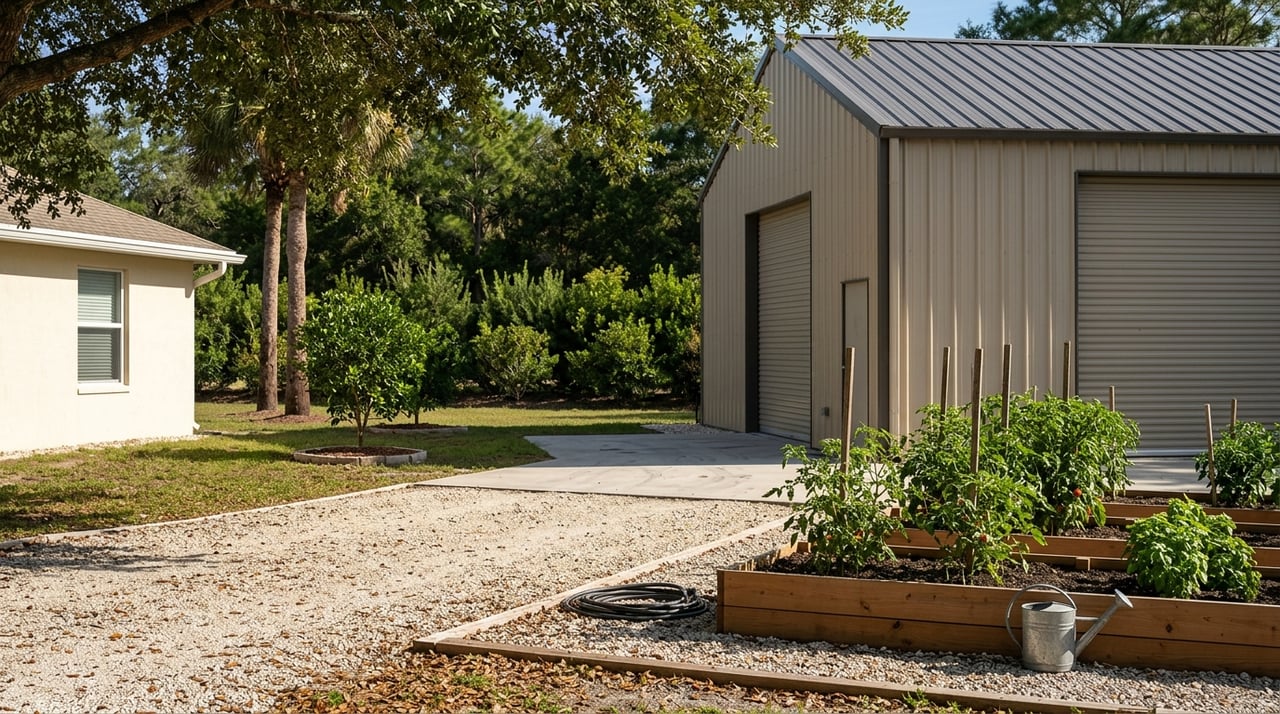
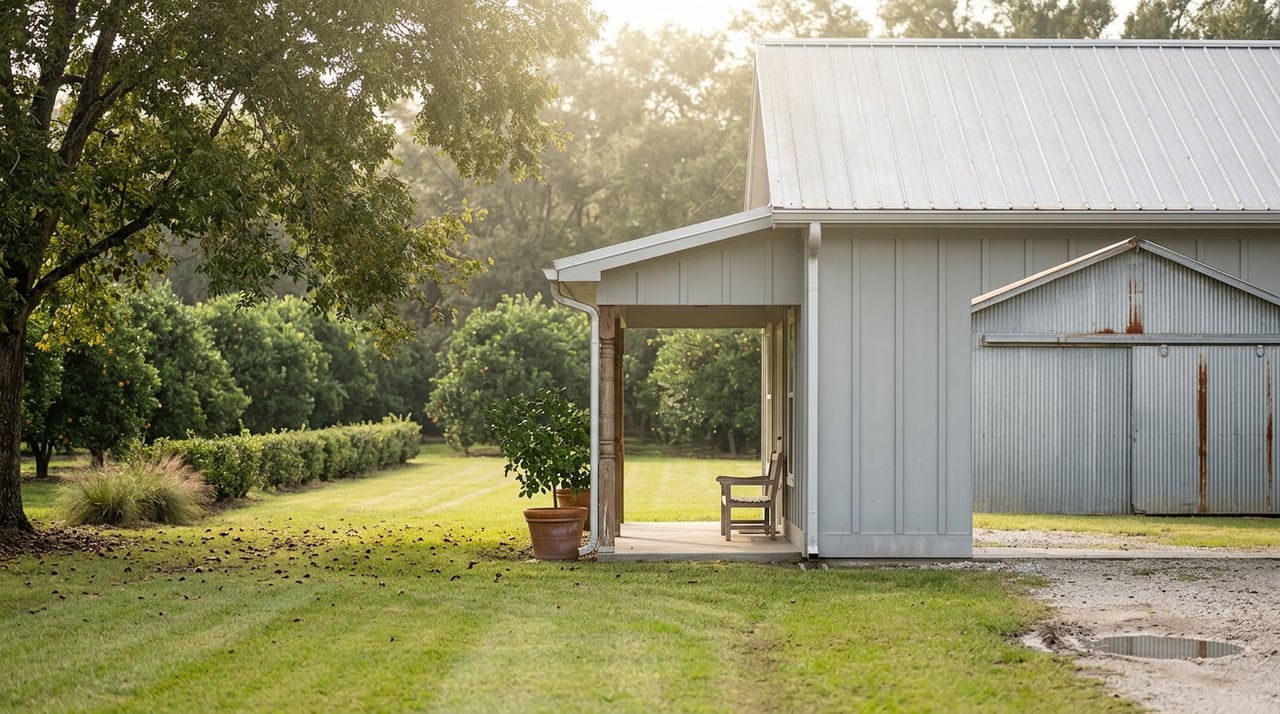
Acreage means different things to different buyers. For one person, it may mean raised garden beds, a greenhouse, and extra storage for tools. For another, it may mean a detached garage, workshop, barn, or covered space for larger equipment and recreational vehicles.
That flexibility is one of the biggest draws. On a larger parcel, you may have room to create a property that supports how you actually live, whether that includes gardening, hobbies, equipment storage, or small-scale agricultural use. The key is making sure the parcel can legally support the improvements you have in mind.
If your dream starts with fresh produce, fruit trees, or seasonal planting, Plant City has a strong identity for that kind of lifestyle. Still, not every parcel will perform the same way. The USDA explains that its Plant Hardiness Map is based on average annual extreme minimum winter temperatures, and it specifically notes that microclimates can vary even within the same city.
That matters because acreage shopping should be parcel-specific, not just region-specific. One property may have wind exposure, shade patterns, drainage, or low spots that affect what you can grow and how much maintenance it will take. A broad Florida label does not tell you everything you need to know.
Water is another important part of the equation. If a property uses a private well, the Florida Department of Health recommends that private-home well owners test annually for coliform bacteria and nitrates. If a property has city water, that is a different setup entirely, and inside city limits Plant City’s 2023 water-quality report says municipal drinking water comes from the Floridan Aquifer through four deep wells.
For many acreage buyers, the biggest question is simple: can you build the outbuilding you want? In Hillsborough County, accessory structures can be allowed, but the answer depends on zoning, setbacks, height rules, and how the structure is classified under county rules.
Under the county code, standard accessory structures generally cannot be used for living or sleeping and are usually limited to 15 feet in height unless certain setback conditions are met. The county also distinguishes accessory agricultural structures, such as barns and silos, which can be treated differently and may have greater height flexibility with setbacks tied to height. You can review those details in the Hillsborough County land development code.
An RV barn is not listed as a separate category in that code. In practice, it is better to think of it as a detached accessory structure that must fit the parcel’s zoning and development standards. That is why two properties with similar acreage can still offer very different options.
This is where buyers often need the most clarity. A large lot does not automatically mean every outbuilding or use is treated as agricultural. In Hillsborough County, eligible bona fide agricultural activities can include horticulture, floriculture, viticulture, forestry, dairy, livestock, poultry, bee operations, aquaculture, irrigation work, and agricultural ponds, as outlined on the county’s agricultural exemption for building permit page.
That can create real opportunity for buyers who want a property with a hobby-farm or production component. At the same time, you should not assume your intended use qualifies just because the parcel is large or feels rural. Residential yard use and bona fide agricultural use are not the same thing.
It is also important to separate permit questions from tax questions. If you are exploring agricultural tax treatment, Hillsborough County Property Appraiser has a separate Greenbelt agriculture classification process. That means building-permit exemption and agricultural classification should be treated as two different checks during due diligence.
When you are looking at acreage, the right property is rarely just about price or lot size. What matters most is whether the parcel supports your real plans. A calm, methodical review upfront can help you avoid expensive surprises later.
Start with the county’s Map Viewer, which can generate reports for zoning, flood zone information, future land use, and other property-specific data. That is one of the best first steps if you want to know whether a parcel may realistically support a barn, workshop, garden setup, or other improvements.
Here are the main items to verify before moving forward:
Acreage buyers often focus on land first and utilities second, but water can shape your day-to-day experience more than expected. If you plan to garden, irrigate, or maintain a larger landscaped area, you will want to know early whether the property is on municipal service or a private well.
That distinction affects maintenance and planning. Private wells come with testing responsibilities, while city-served properties follow the local utility structure. Hillsborough County also notes that Plant City residents follow city watering rules, while county restrictions can also apply to private wells during shortage orders, so watering access is not something to assume.
The best acreage purchase is not always the parcel with the most land. It is the one that lines up with how you want to live and what the property can actually support. For some buyers, that means enough room for a garden and storage building. For others, it means finding a parcel where a workshop or barn may fit the zoning and setback framework.
That is why strategy matters in rural and land-oriented purchases. You want clear answers on zoning, flood zone, water source, and structure rules before you commit, especially when the property’s value to you depends on future use. A careful review can protect both your budget and your long-term plans.
If you are exploring Plant City acreage and want a steady, informed approach to the search, Melissa Connell can help you evaluate land, lifestyle fit, and the due diligence steps that matter most.
Stay up to date on the latest real estate trends.
I provide strategic assistance with pricing analysis, offer preparation, contract drafting, and negotiation ensuring every decision is informed and advantageous. Let’s begin the conversation.
Get In Touch With Palm & Pine Realty Group To Learn More
PALM & PINE REALTY GROUP
(813) 478-3180
[email protected]
Office - [email protected]
Sellers - [email protected]
Buyers - [email protected]
CENTRAL & NORTH CENTRAL FLORIDA