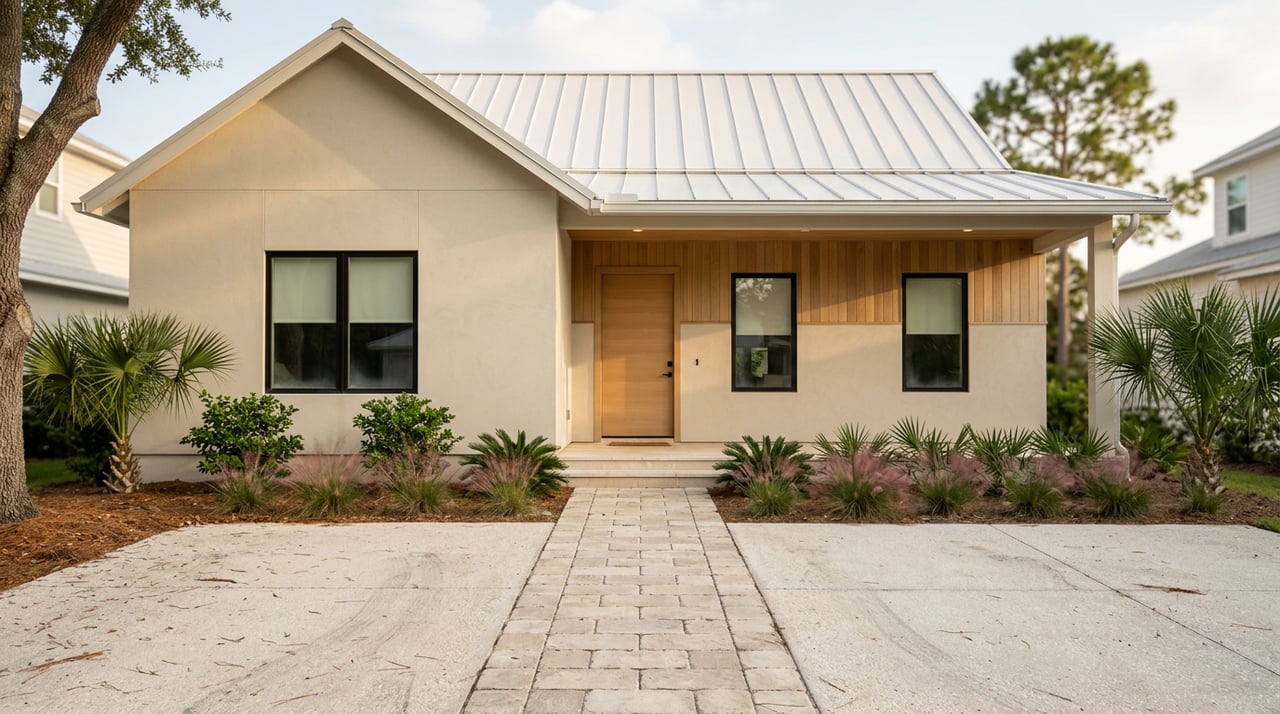
Explore Nature Coast Lifestyle Homes and Retreat Living
March 12, 2026
March 12, 2026
Craving weekends where your to-do list is “paddle, grill, repeat”? If you’re exploring a second home or retreat in Florida’s Nature Coast, you want to know what day-to-day life actually feels like once you get the keys. In this guide, you’ll see how buyers spend their time across Crystal River, Homosassa, Dunnellon, and the Rainbow River corridor, plus the practical planning that makes it all smooth. Let’s dive in.
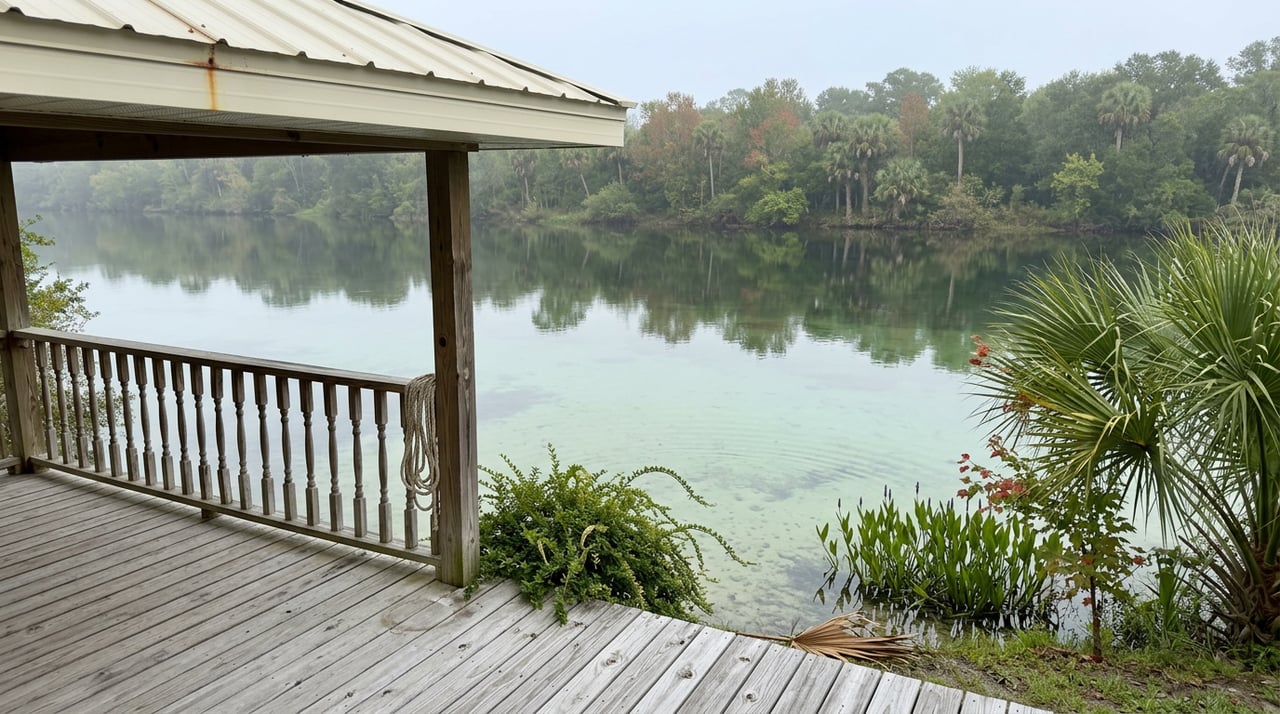
Most retreat owners start early. You launch a kayak or idle a small boat through Kings Bay’s slow zones, then pause near a headspring to watch wildlife or slip into the constant 72-degree water for a swim. Access is easy from public launch points and parks, and boardwalks and guided areas help you enjoy manatee season respectfully. For a feel of the refuge experience and current visitor guidance, review the Crystal River National Wildlife Refuge’s visitor activities and rules at the official site of the Crystal River National Wildlife Refuge.
By late morning, it’s common to dock for lunch, refuel with a cold drink, then head back for a quiet nap before sunset on the porch. Popular spring spots and short-launch ideas are highlighted in this local roundup of top springs near Crystal River.
From July into September in recent seasons, you can boat to shallow seagrass beds, snorkel for bay scallops, and come home to clean and grill your catch. It’s a seasonal ritual many weekenders plan their calendars around. Dates and bag limits shift by year and region, so verify the current rules before you set out. This primer is a good starting point on Florida scalloping season basics.
Short, nature-focused days are part of the rhythm here. You might stroll a boardwalk at Three Sisters, float a crystal-clear run, or join a guided snorkel where access is permitted. Protections vary by season to safeguard manatees and sensitive spring habitats, so knowing where and how to enter the water matters. Learn more about Homosassa’s first-magnitude spring system and year-round 72-degree waters from Florida State Parks.
Your off-the-water days look simple by design. Think farmers’ markets, seafood festivals, browsing small downtown shops, and unfussy local dining. Crystal River and Dunnellon anchor these routines, and most owners mix errands with a low-key meal before heading back to the porch.
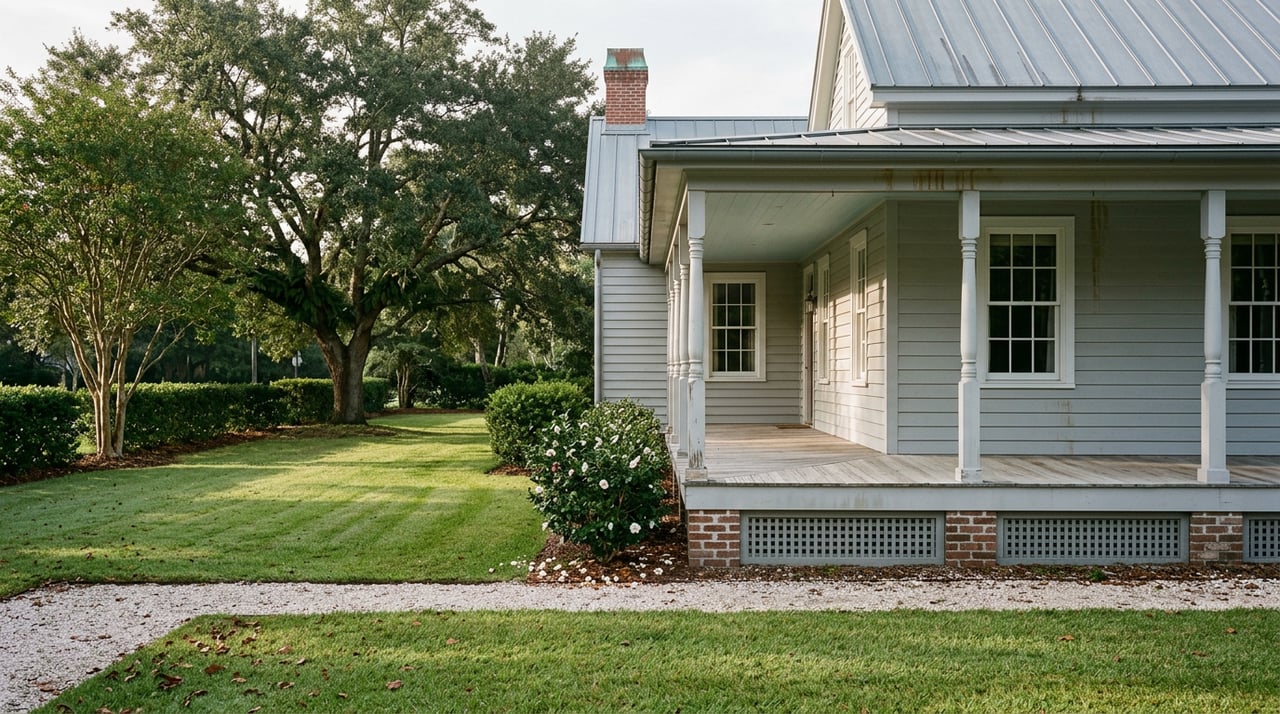
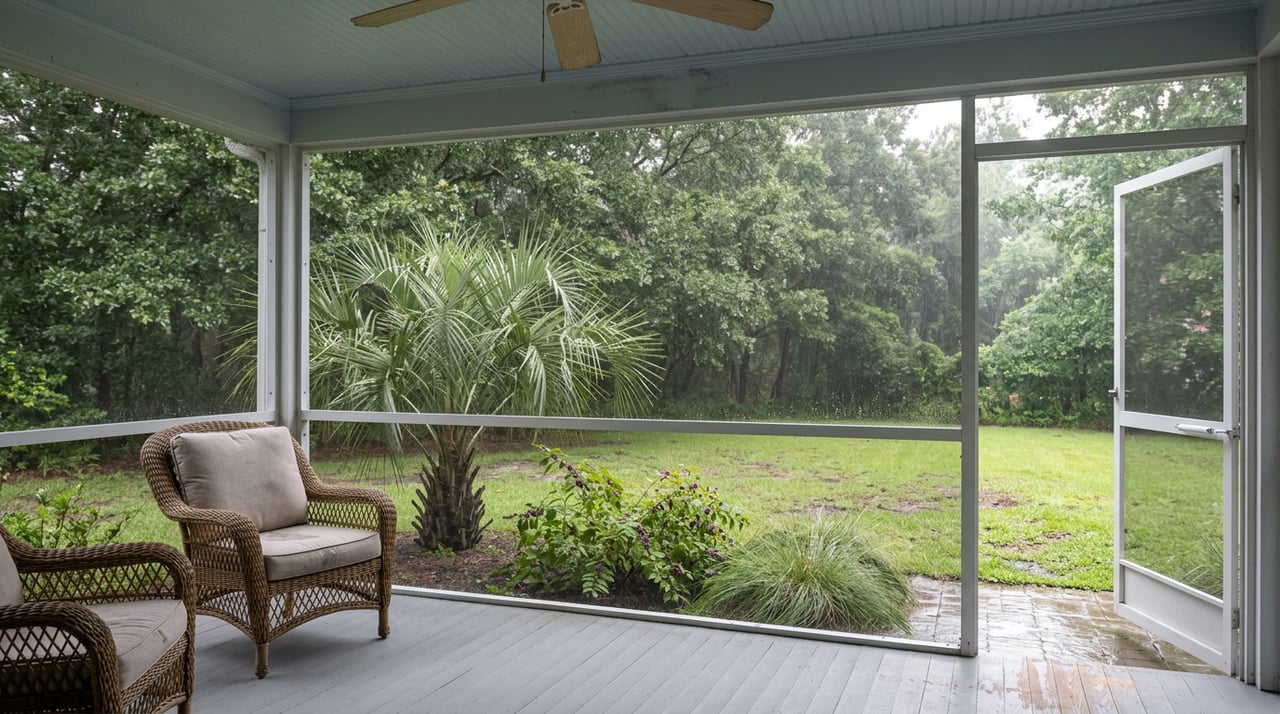
If you choose a Kings Bay canal or bay-front cottage or condo, your mornings often begin with coffee on a screened porch and a quick look for wildlife along the seawall. You’ll enjoy easy launching and short rides to springs and inshore Gulf waters. The tradeoffs are typical of waterfront: dock and seawall upkeep, confirming bridge clearances, and respecting slow or no-wake zones during manatee season. For a paddler’s-eye view of the area, explore this overview of Crystal River and Kings Bay waterways.
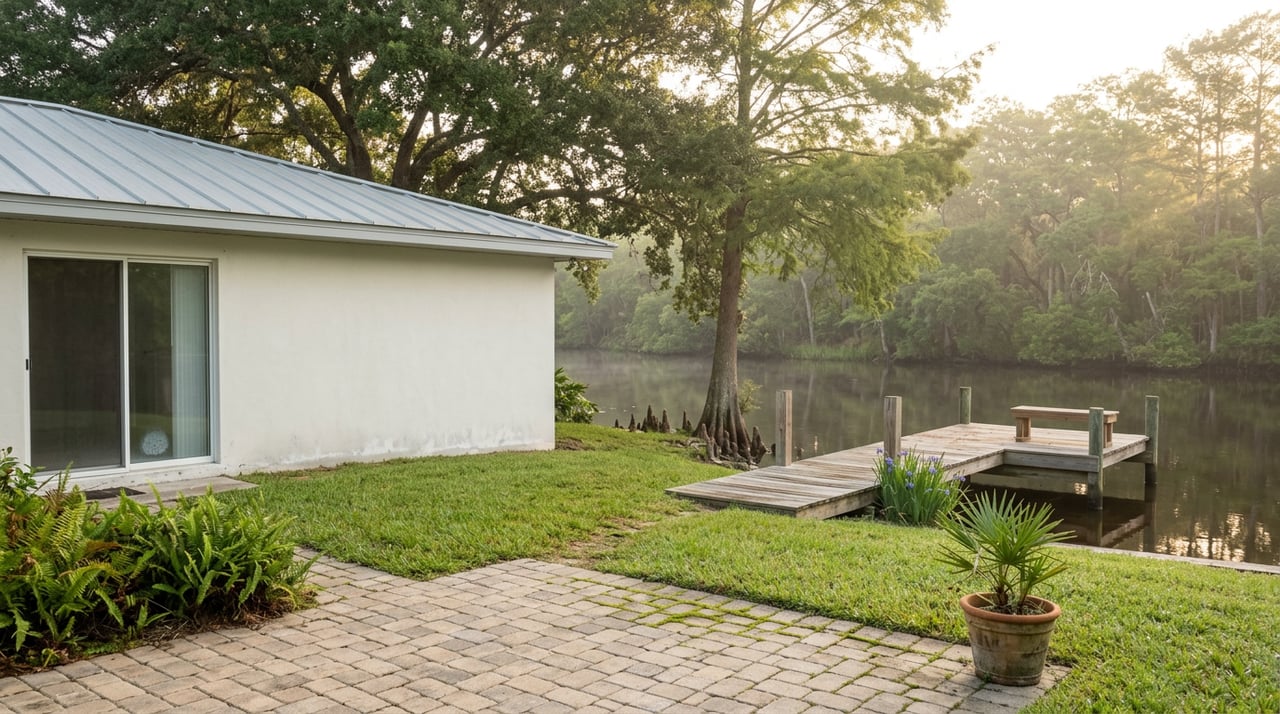
Springside and riverfront weekenders feel relaxed and intimate. Life centers on the shoreline, a short paddle, or a quiet float rather than longer boat runs. Due diligence focuses on septic status, dock permits, and understanding seasonal use patterns near protected spring areas. The springs’ steady temperatures and clear flows are part of what make these properties special, as outlined by Florida State Parks.
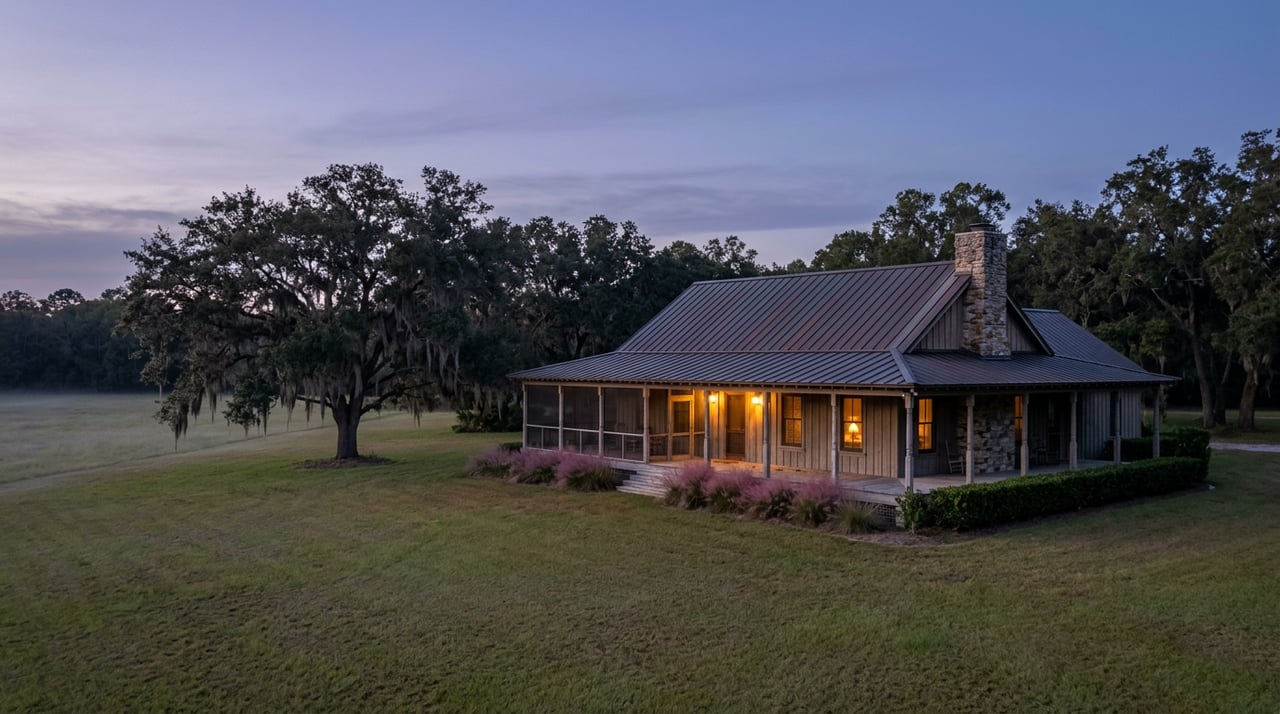
Opting for rural acreage trades convenience for privacy and hobbies. You’ll manage septic and a well, keep up with mowing or fence repairs, and plan for hurricane readiness. If equestrian or workshop space is on your list, factor in time for equipment maintenance and pasture care. Florida’s Department of Environmental Protection offers broad guidance on water and onsite systems at its A–Z resources.
Manufactured-home neighborhoods and planned communities around Homosassa, including nearby areas with golf and club amenities, offer a lower entry price and more on-site social options. Daily life leans toward community recreation rather than boat logistics. County data also reflect strong owner-occupancy rates and a retiree-friendly mix, which helps explain the steady demand for low-maintenance living. See county-level context on Citrus County QuickFacts.
Many waterfront and low-lying parcels fall within FEMA flood zones. Lenders typically require flood coverage if a property sits in a Special Flood Hazard Area, and FEMA’s Risk Rating 2.0 means premiums are more tailored to the exact property. Get quotes early, pull the FEMA flood map for the address, and consider an elevation certificate to fine-tune pricing. Start with FEMA’s Flood Map Service Center FAQ.
Springshed protections shape onsite wastewater choices. In some priority areas, repairs or renovations may trigger nitrogen-reducing system requirements, and certain counties offer upgrade incentives. Before you close, confirm whether the property sits in a priority focus area and whether any sewer expansions are planned. Florida DEP provides background on programs and permitting through its A–Z index.
Docks, seawalls, and boat lifts require local permitting, often with environmental reviews and setbacks. Your boating routes will also follow designated manatee-protection slow and no-wake areas, especially around Kings Bay and key springs. If quick Gulf access matters, verify channel depths and bridge clearances in advance. For a regulatory foundation, see federal manatee-protection rules summarized in this U.S. Fish & Wildlife Service document.
Broadband subscription rates are high at the county level, but speed and latency can vary widely in rural pockets. If you plan to work from your retreat, check actual provider availability and test speeds at the address. County snapshots are available on Citrus County QuickFacts.
You’ll handle most routine care close to town, with larger hospitals and specialized services in Ocala and surrounding regional centers. Map your nearest ER and typical drive times as part of your decision. For local context on facilities and planning, scan this Citrus County hospital overview.
Buying a retreat here is part lifestyle, part logistics. The right plan balances how you want to spend your weekends with practical steps on insurance, septic rules, dock permits, and access. If you want a composed, strategy-led search that protects your interests and clarifies tradeoffs across waterfront, springside, or acreage options, let’s talk about your goals. Connect with Melissa Connell to map your next steps.
Stay up to date on the latest real estate trends.
I provide strategic assistance with pricing analysis, offer preparation, contract drafting, and negotiation ensuring every decision is informed and advantageous. Let’s begin the conversation.
Get In Touch With Palm & Pine Realty Group To Learn More
PALM & PINE REALTY GROUP
(813) 478-3180
[email protected]
Office - [email protected]
Sellers - [email protected]
Buyers - [email protected]
CENTRAL & NORTH CENTRAL FLORIDA