Tampa Real Estate & Neighborhood Area Guide
Waterfront Living and Established Neighborhood Energy in a Regional Hub
Waterfront Living and Established Neighborhood Energy in a Regional Hub
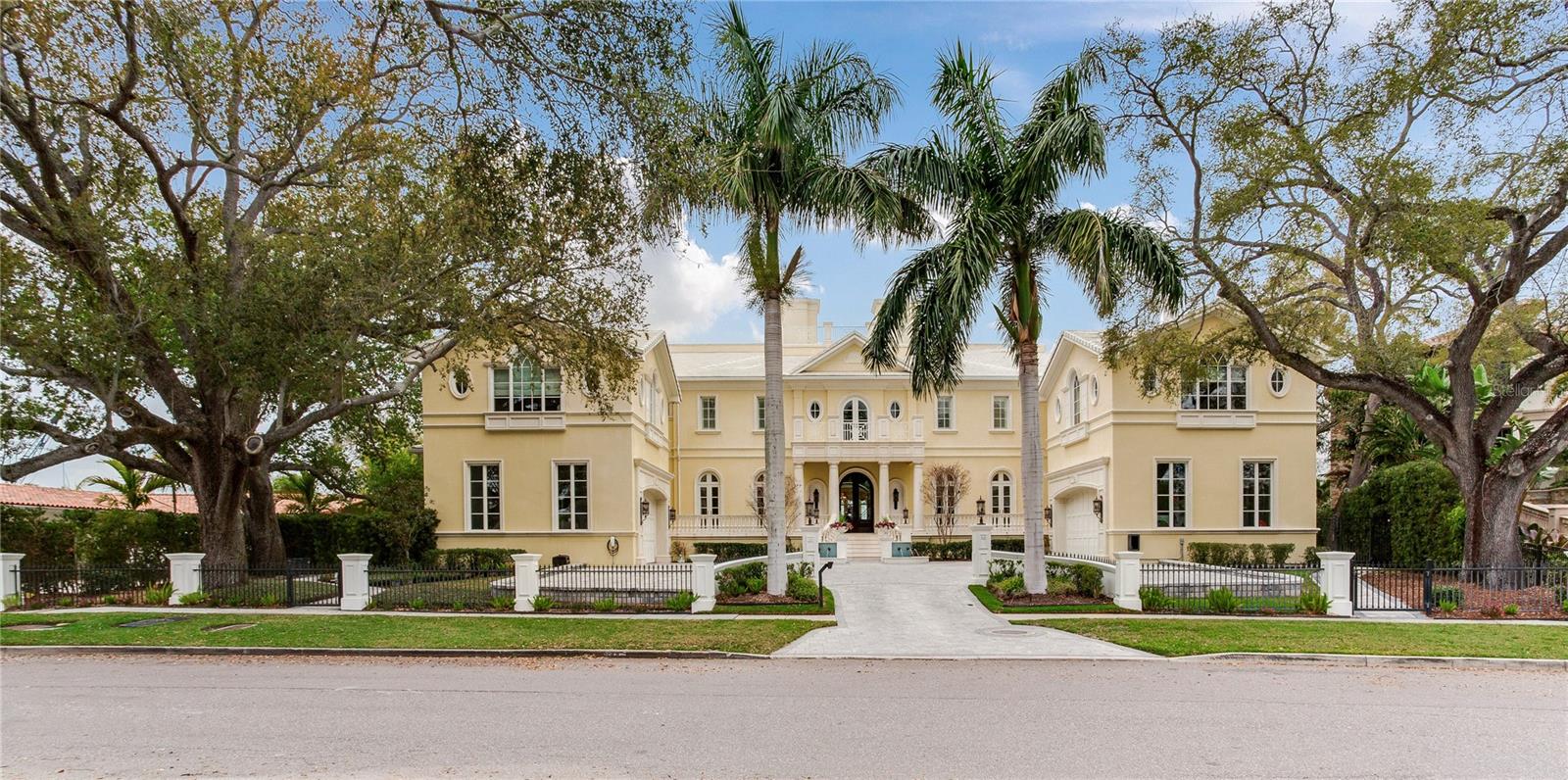
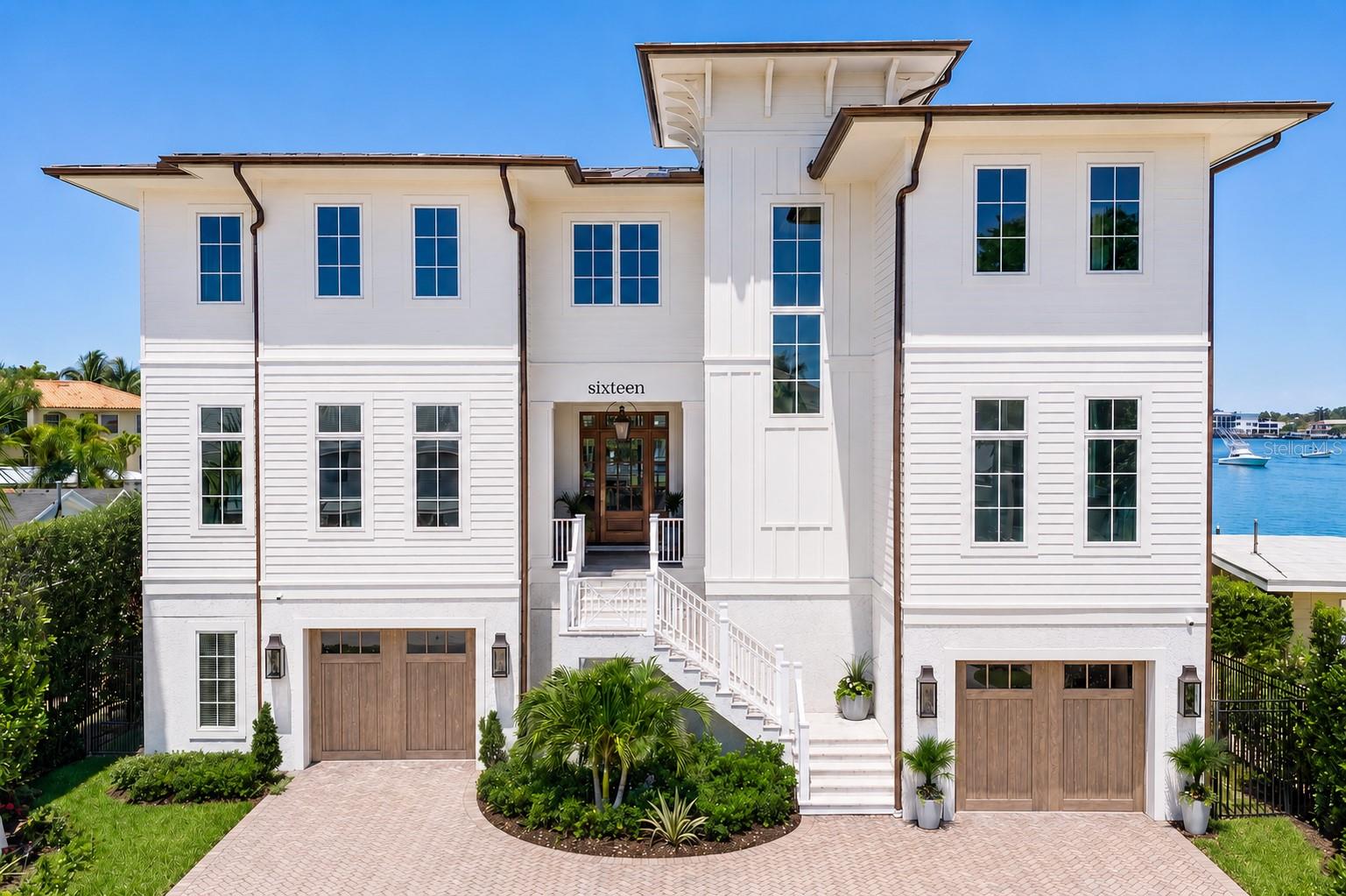
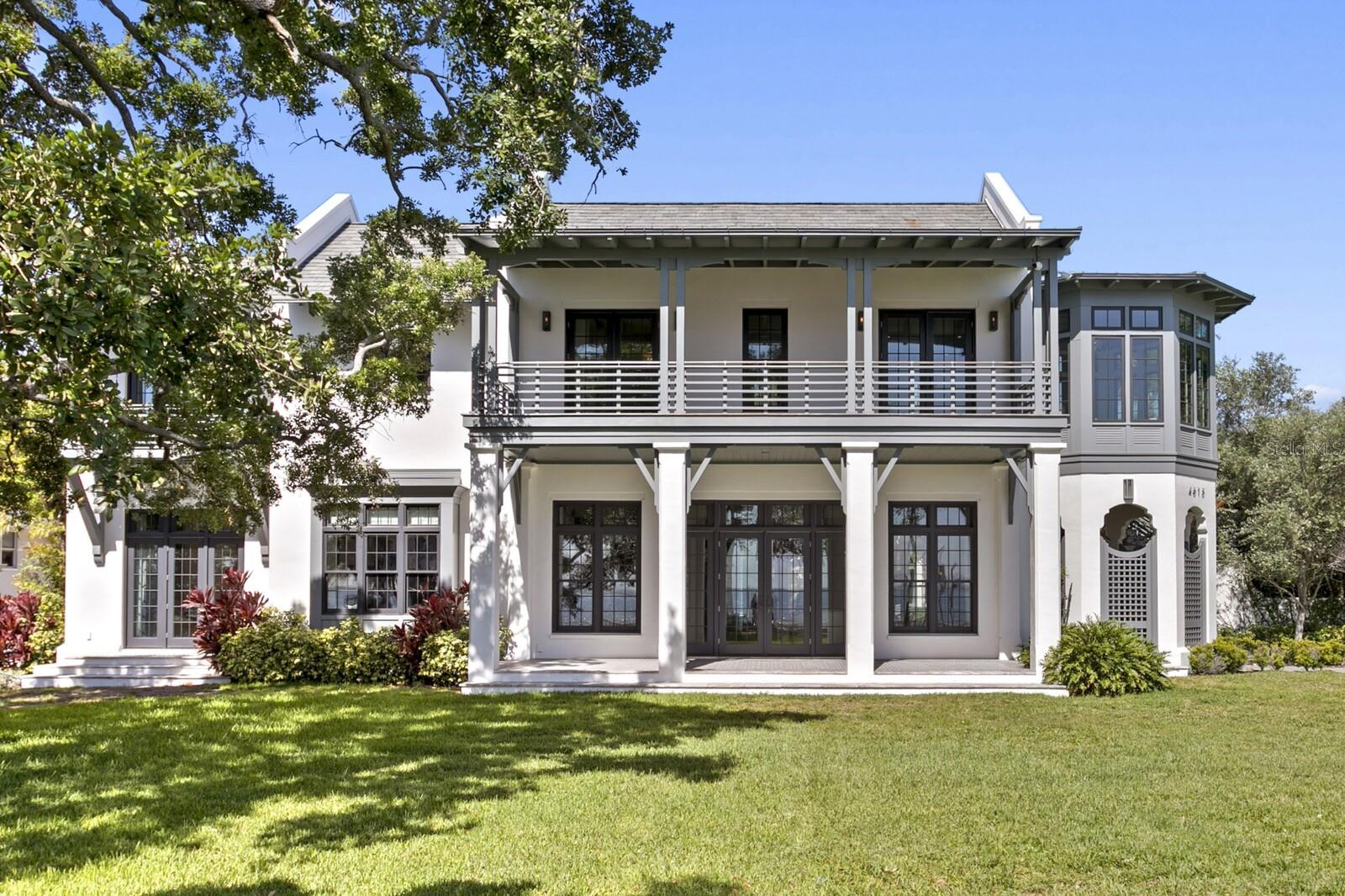
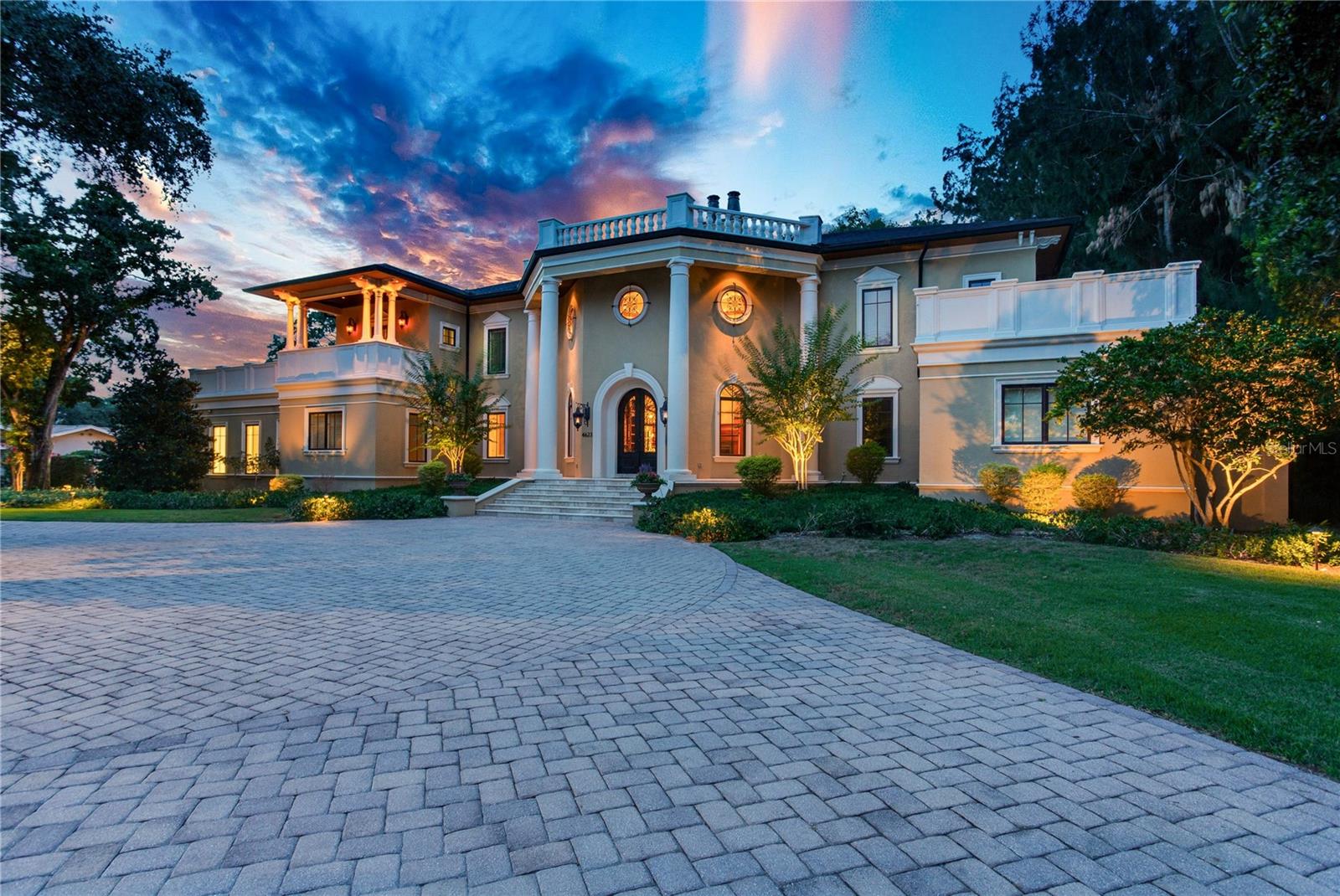
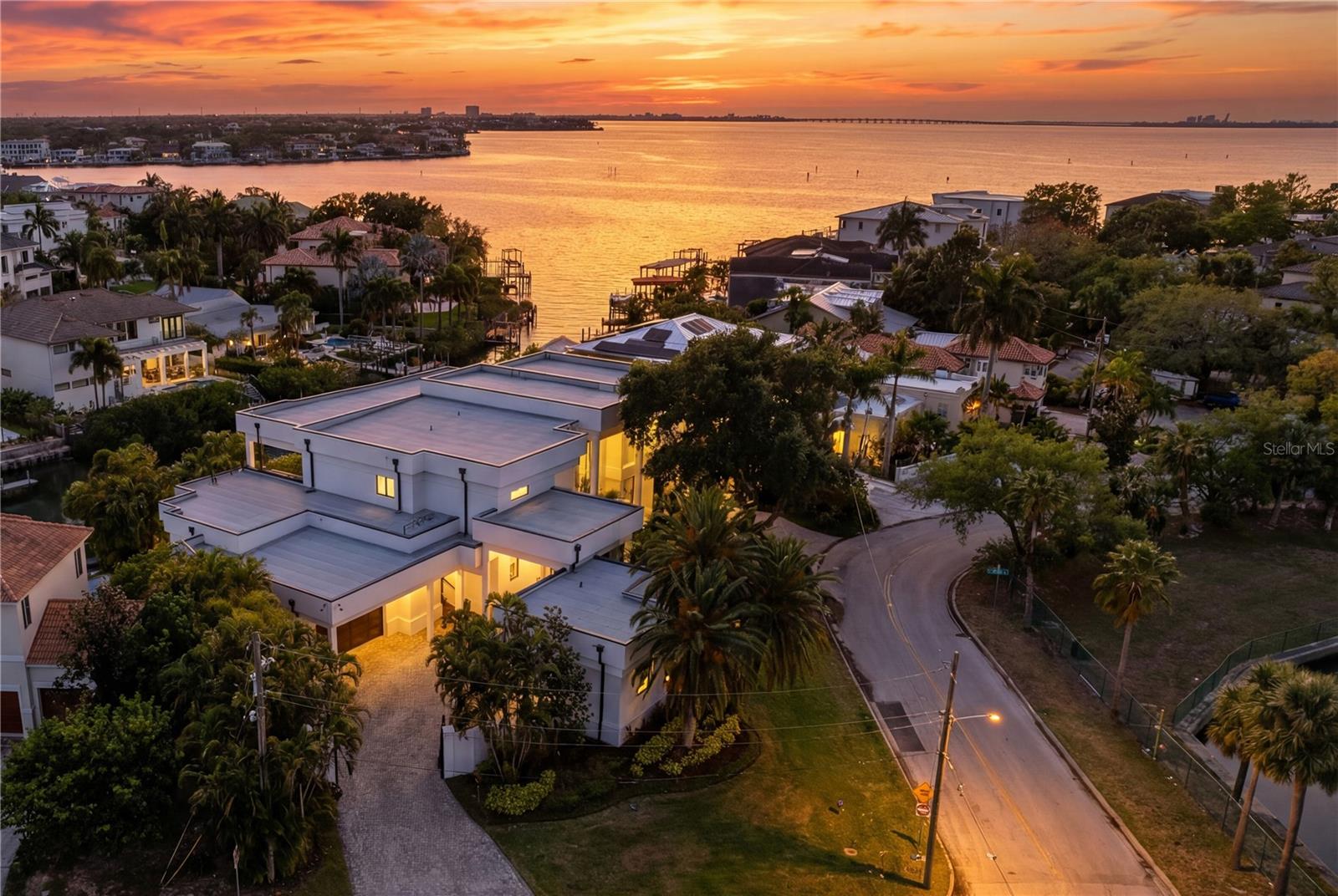
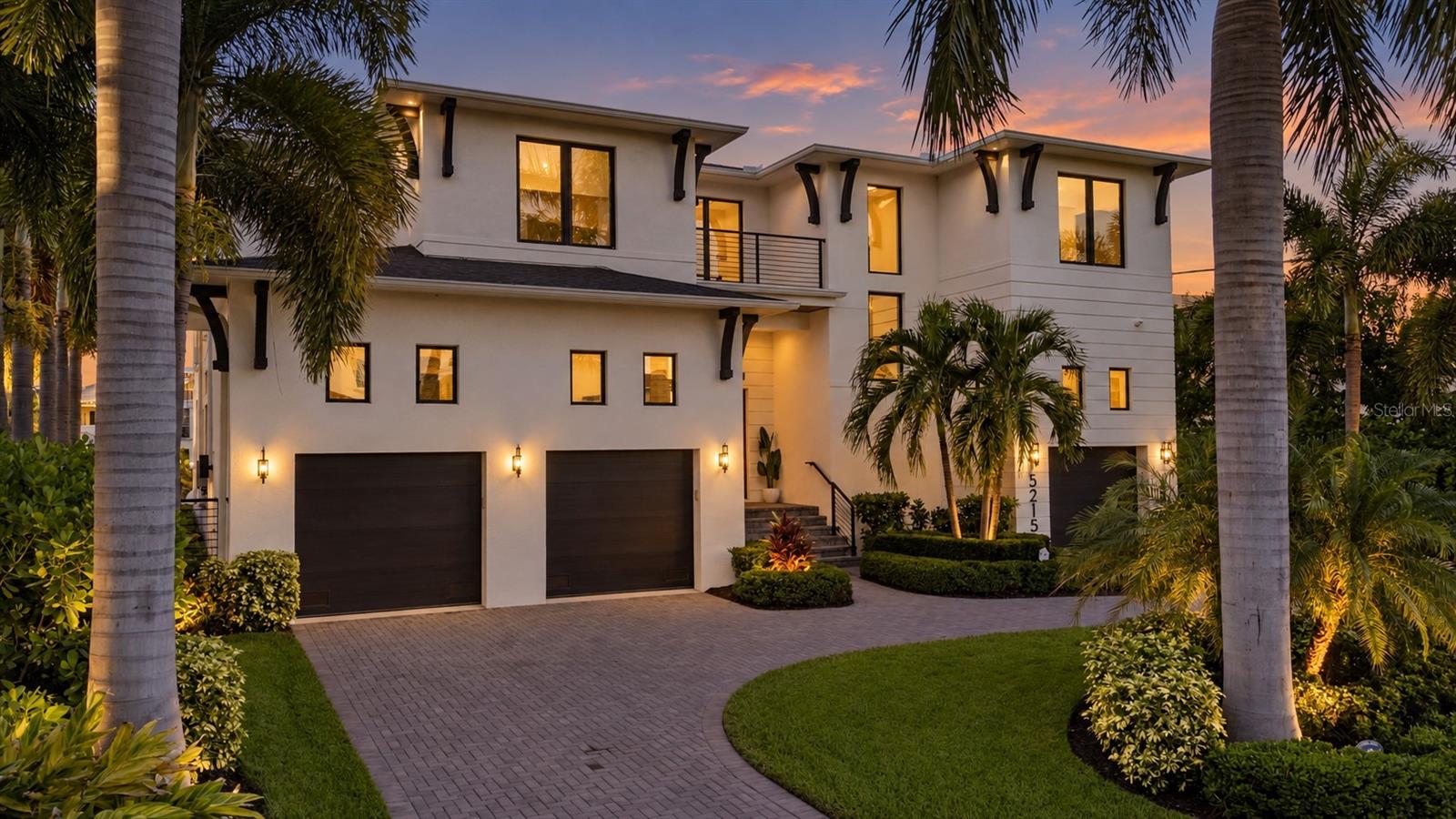
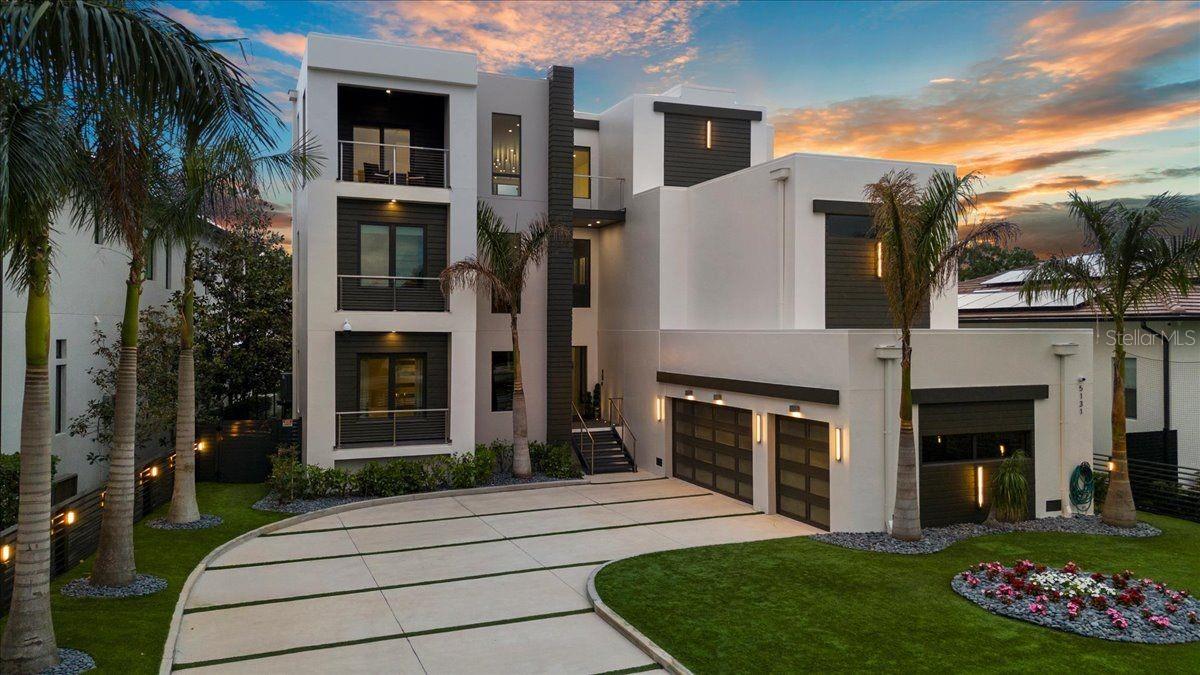
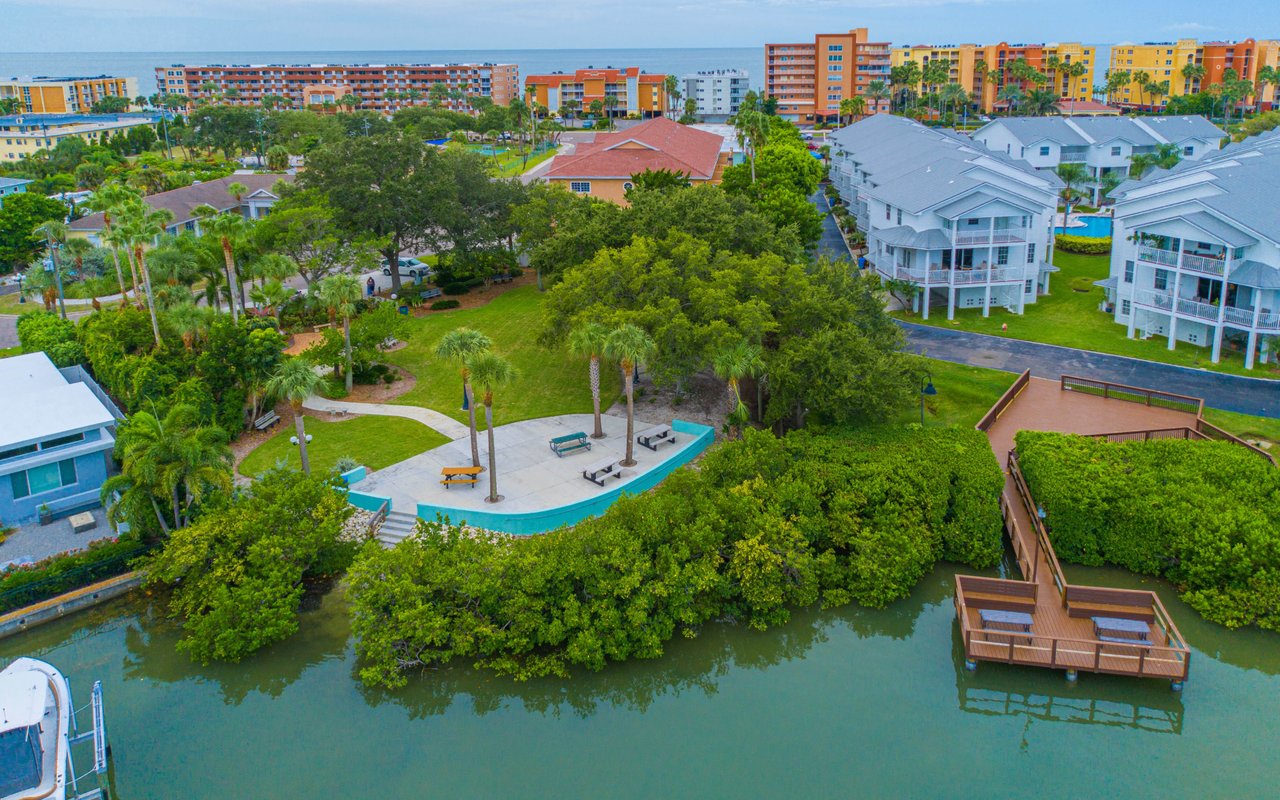
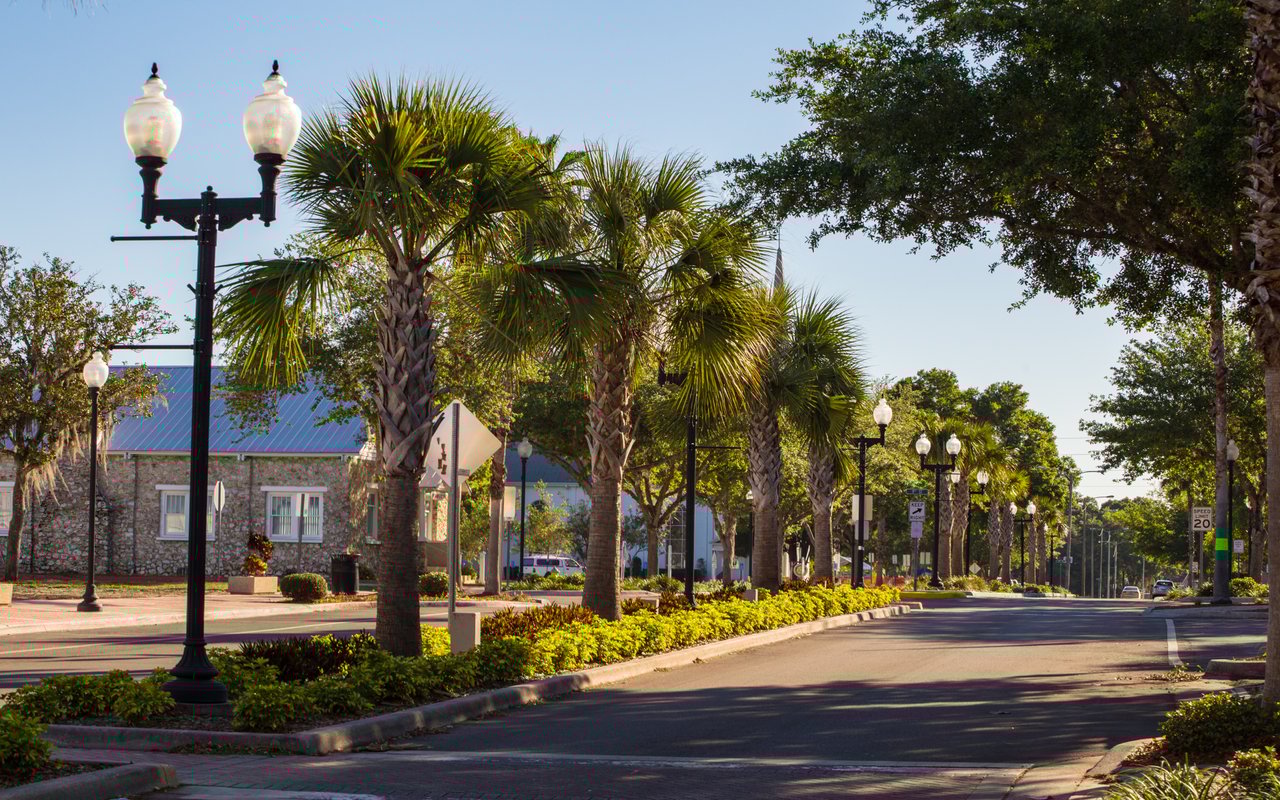
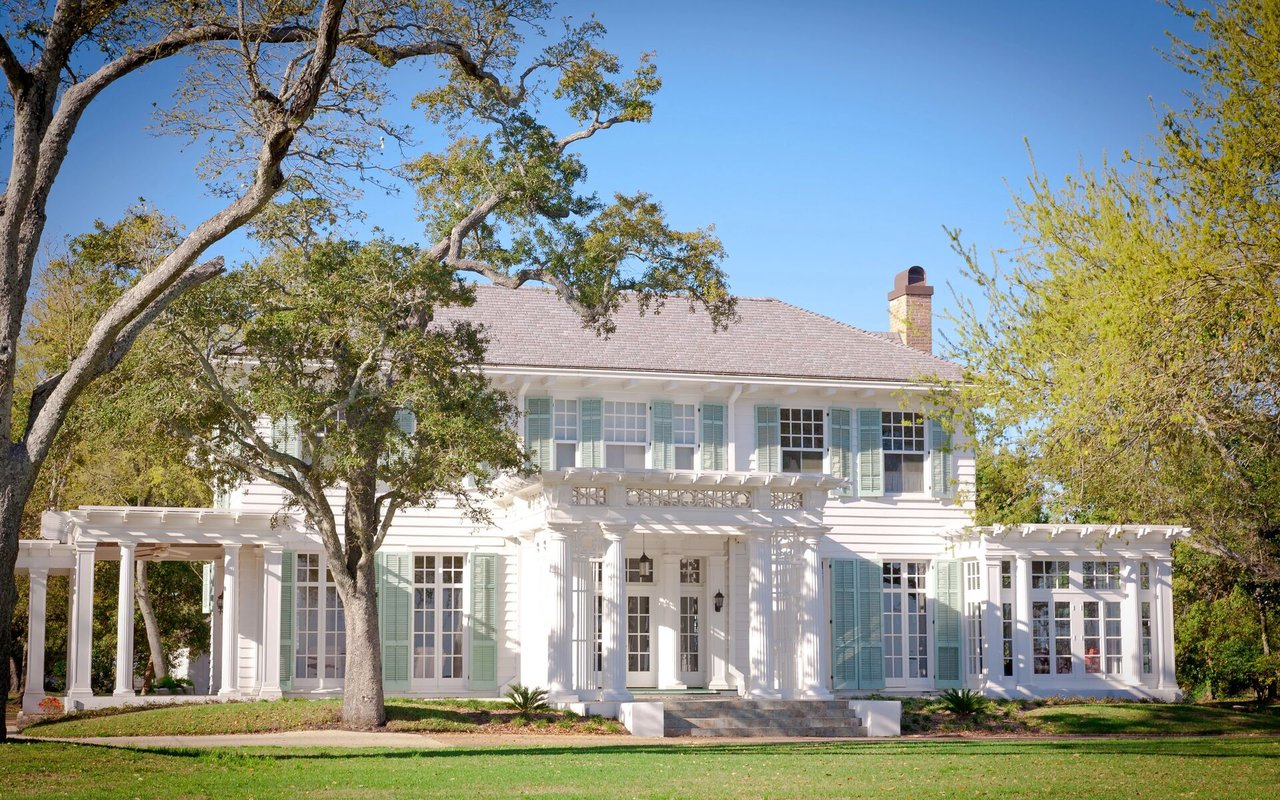
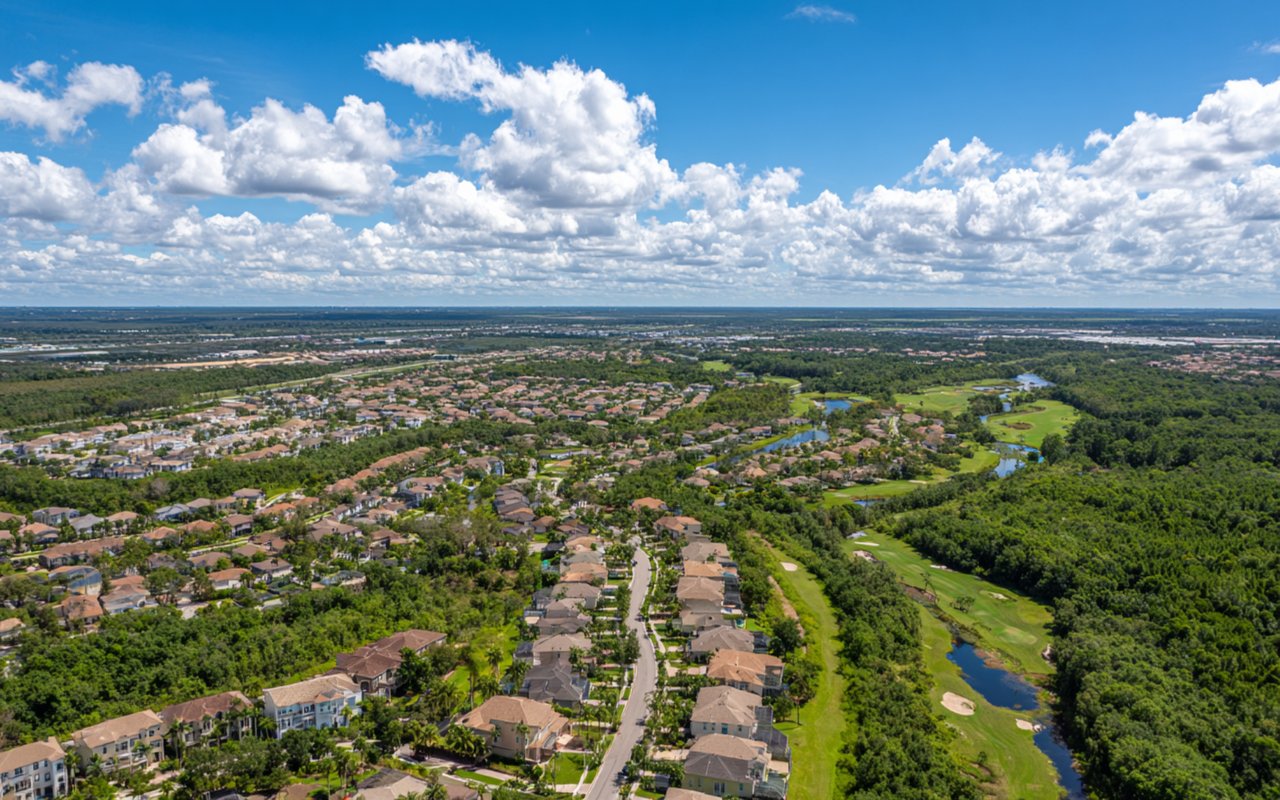
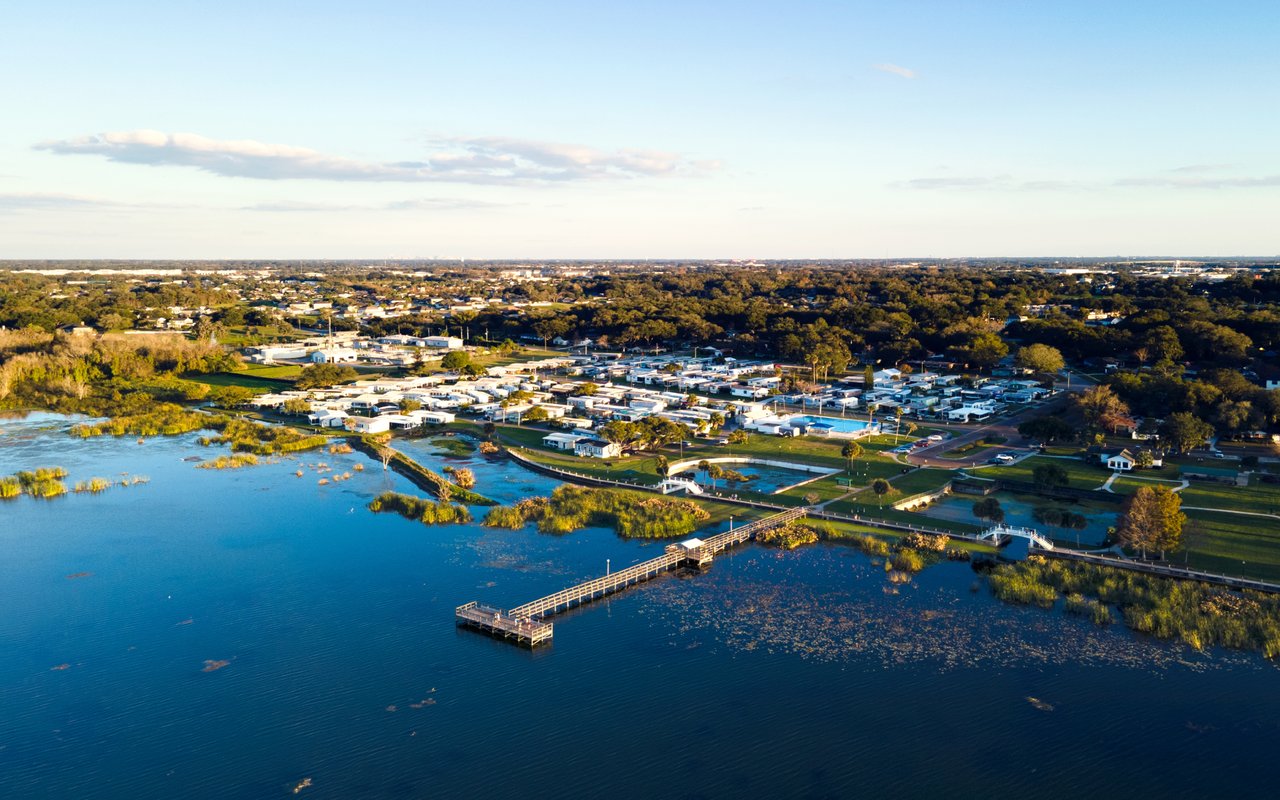
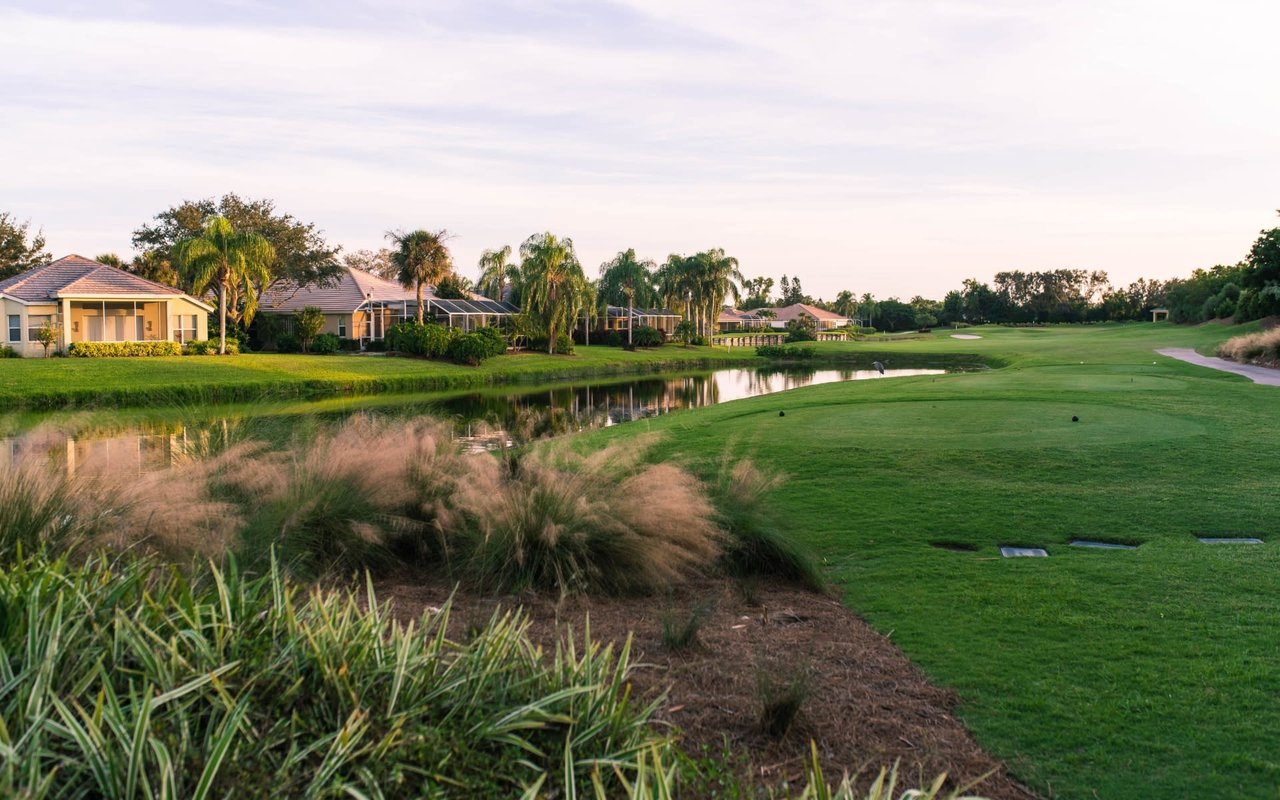
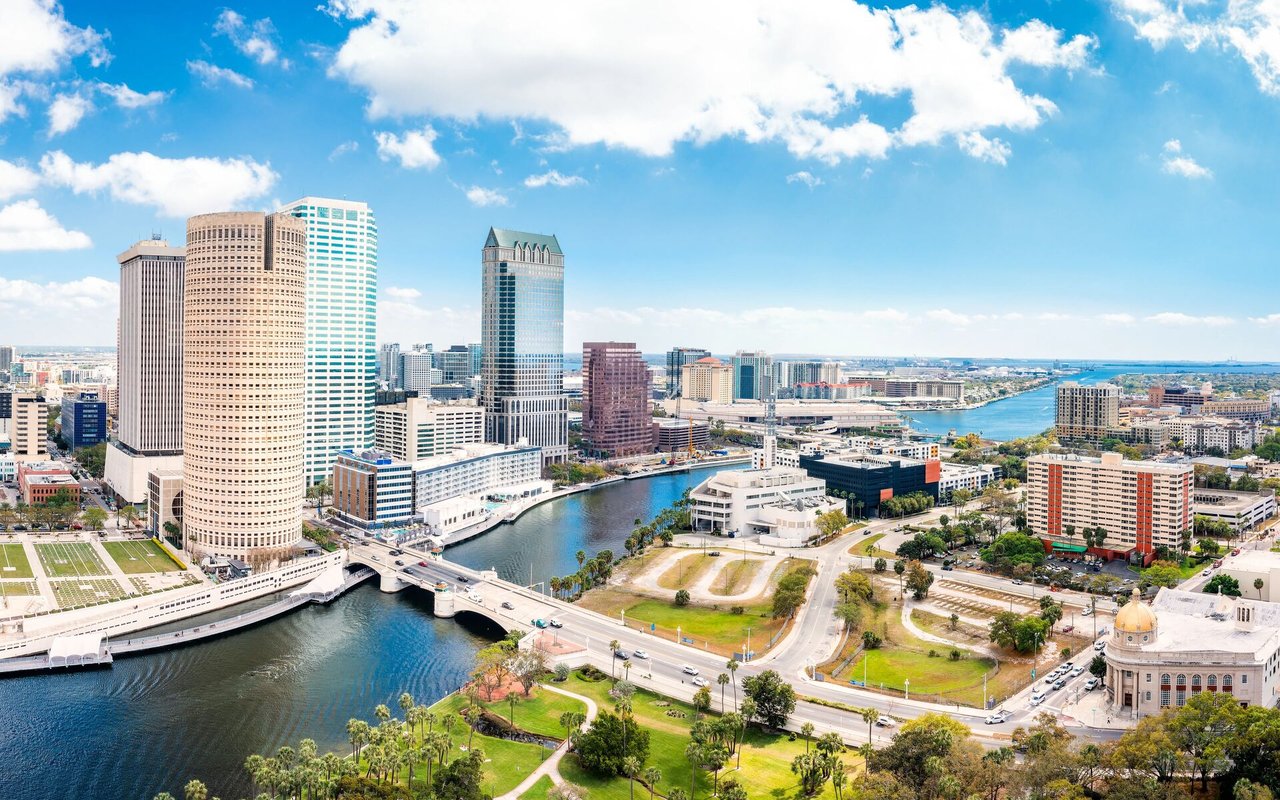
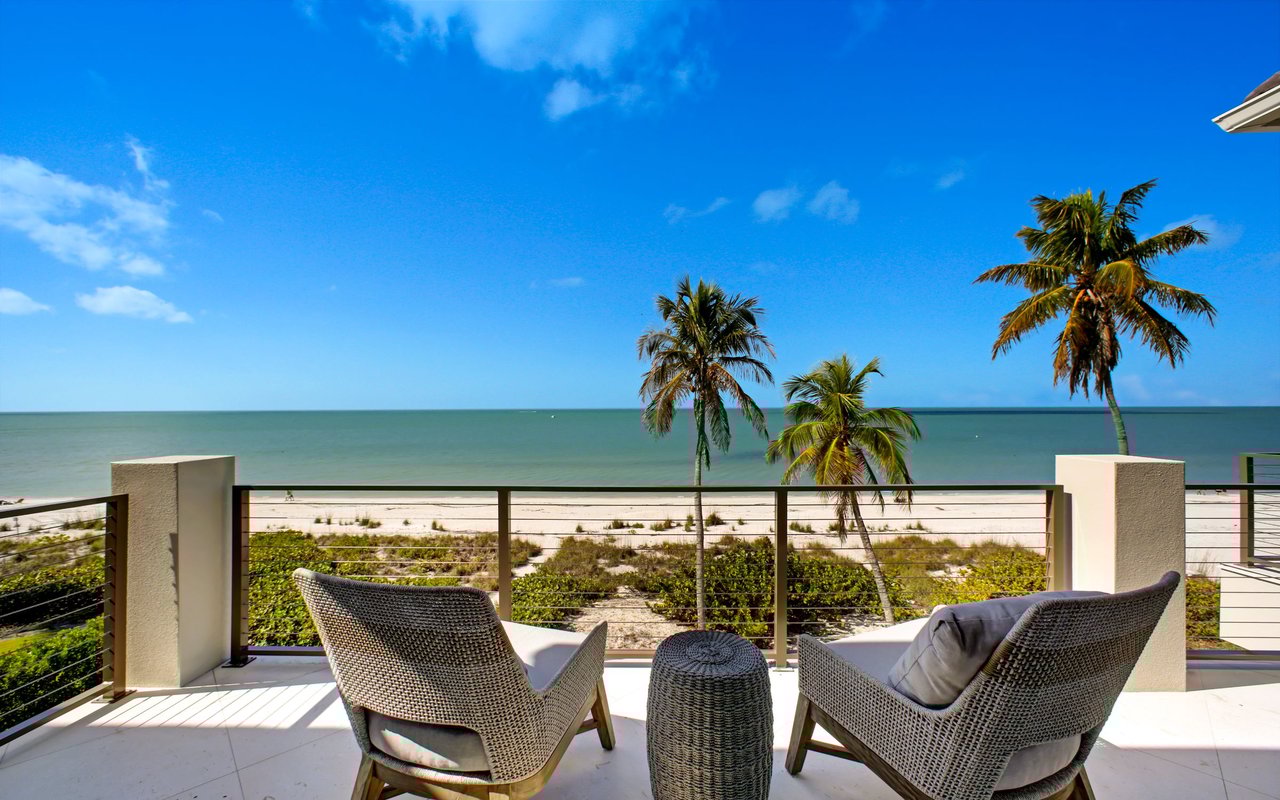
Tampa is one of West Central Florida’s primary metropolitan anchors, offering a broad range of lifestyle options shaped by water, established neighborhoods, and regional connectivity. Positioned along Tampa Bay, the city blends waterfront access with residential districts that feel grounded and livable rather than vertical and dense. From historic enclaves and tree-lined streets in South Tampa to golf course communities and suburban settings further north, Tampa offers variety without losing its neighborhood identity.
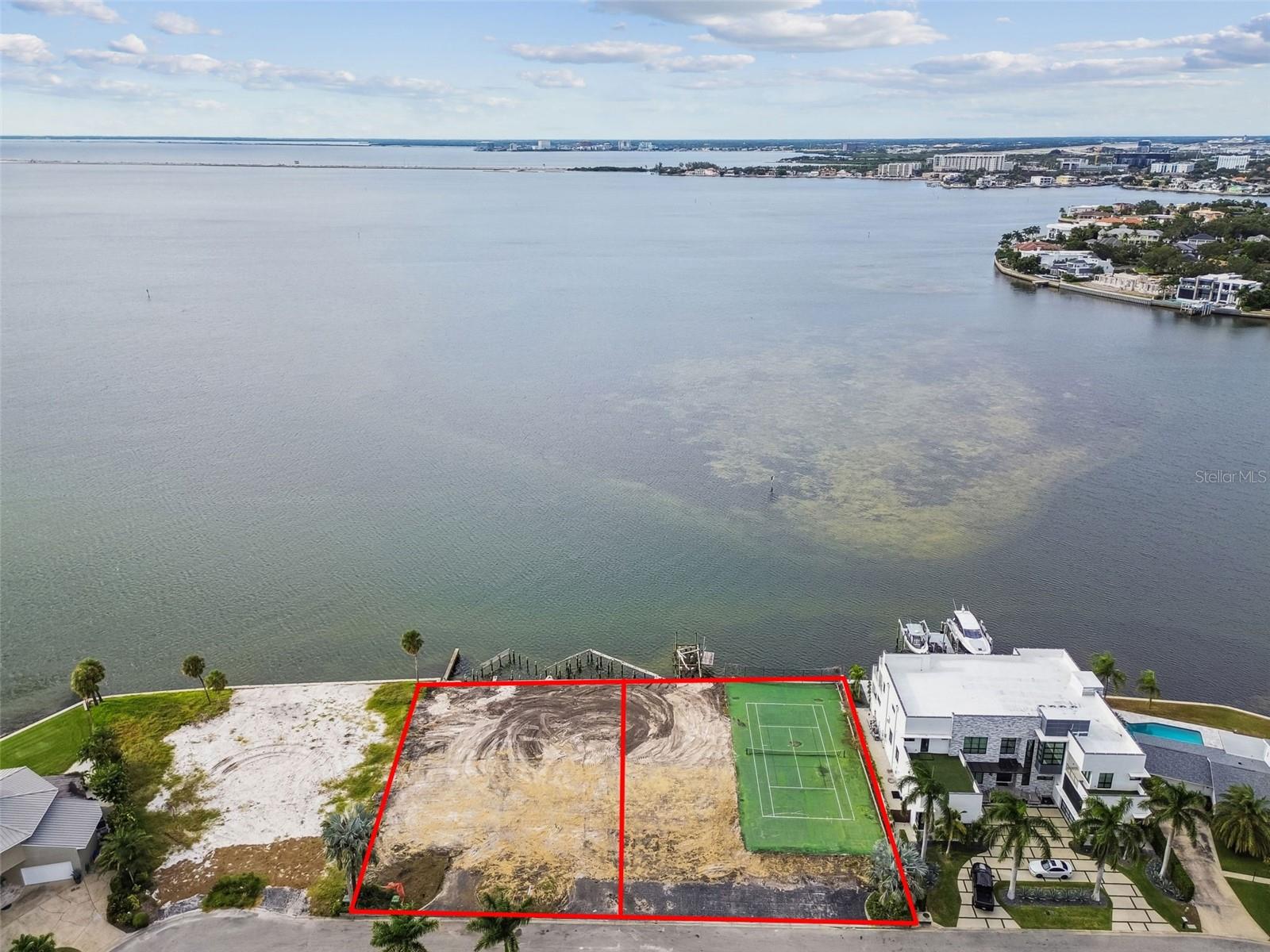
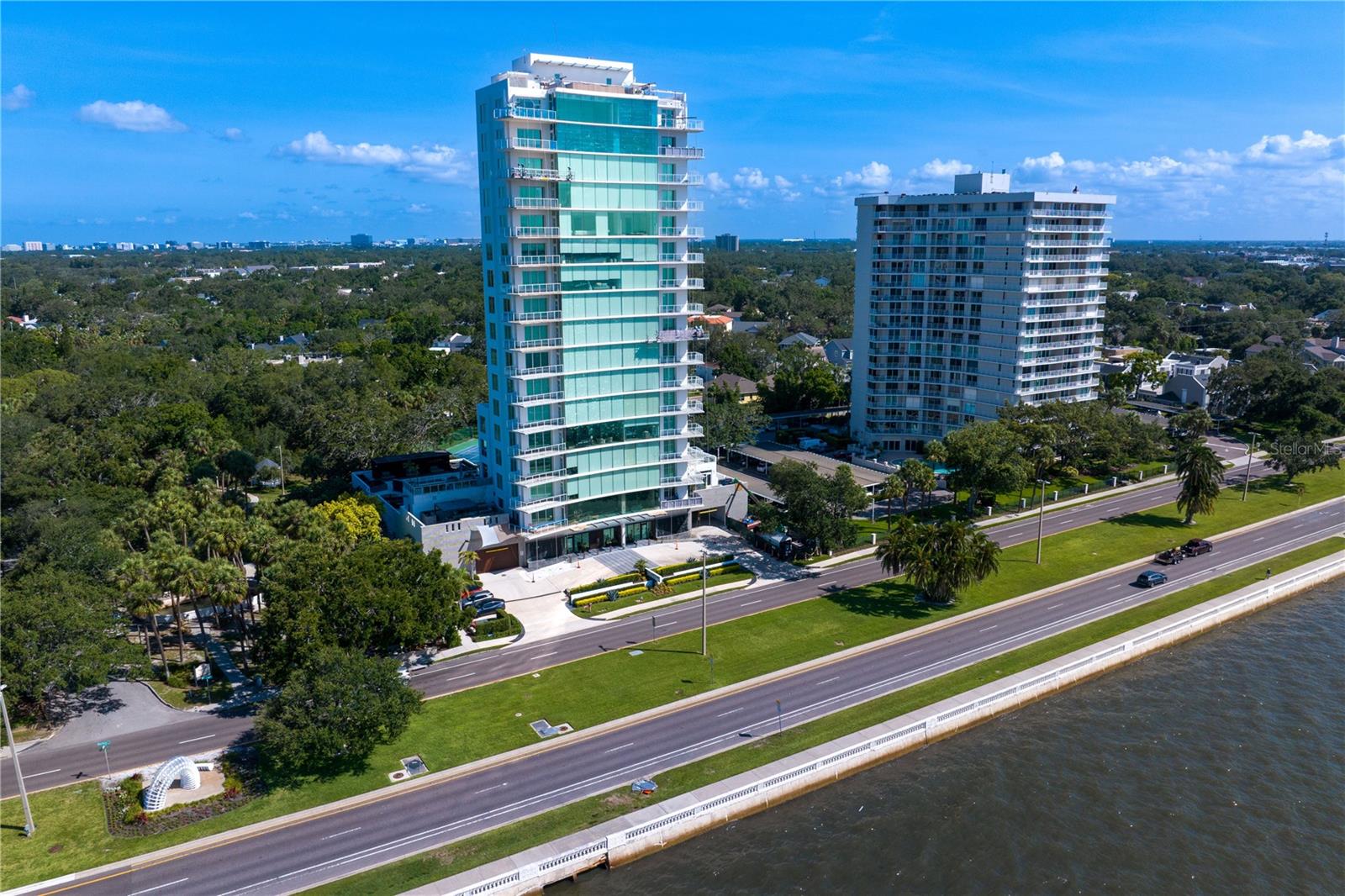
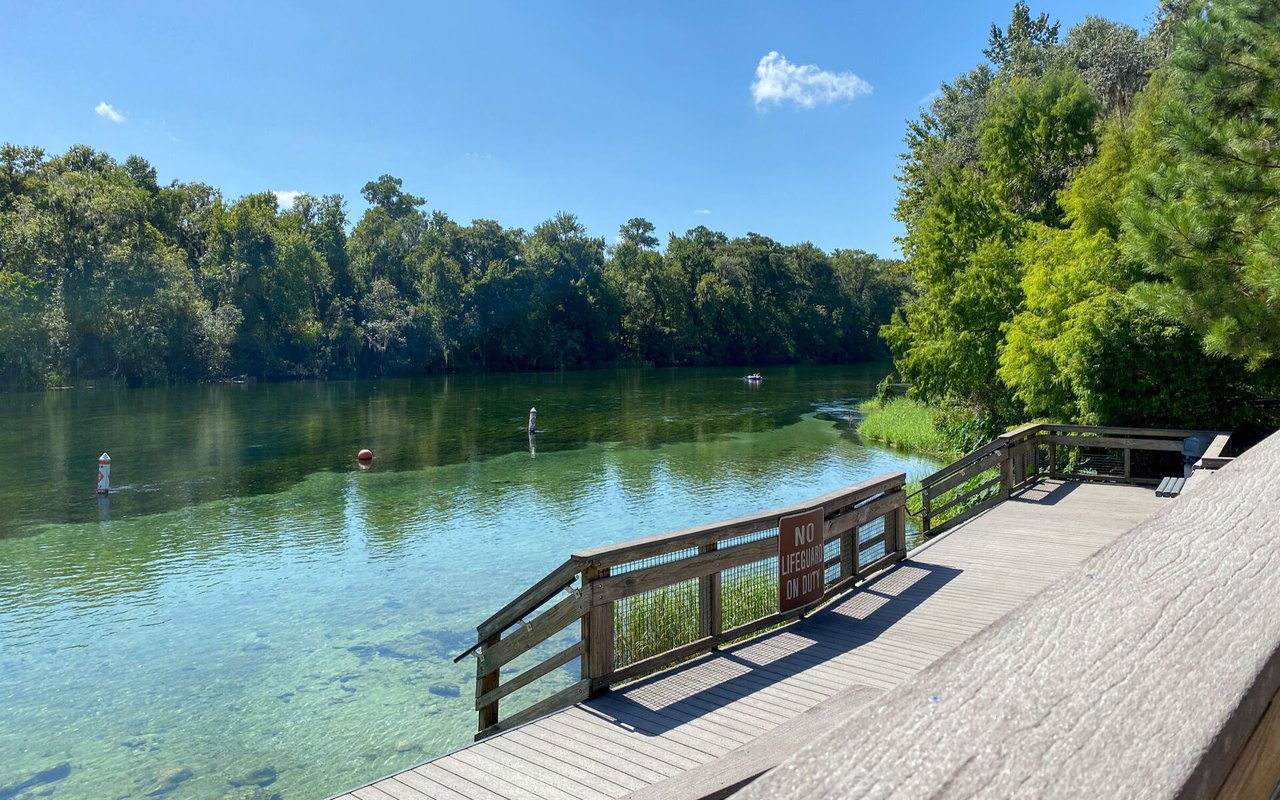
Water plays a defining role in the city’s character. Bayshore Boulevard stretches along the bay with one of the longest continuous sidewalks in the country, while the Tampa Riverwalk connects downtown parks, museums, and waterfront spaces. The evolving Water Street district has introduced additional walkability and mixed-use living near the urban core, yet much of Tampa’s appeal remains rooted in its established residential communities and proximity to the bay.
Direct access to Tampa Bay and a strong boating culture
Established neighborhoods with mature landscaping
Walkable waterfront corridors and expanding mixed-use districts
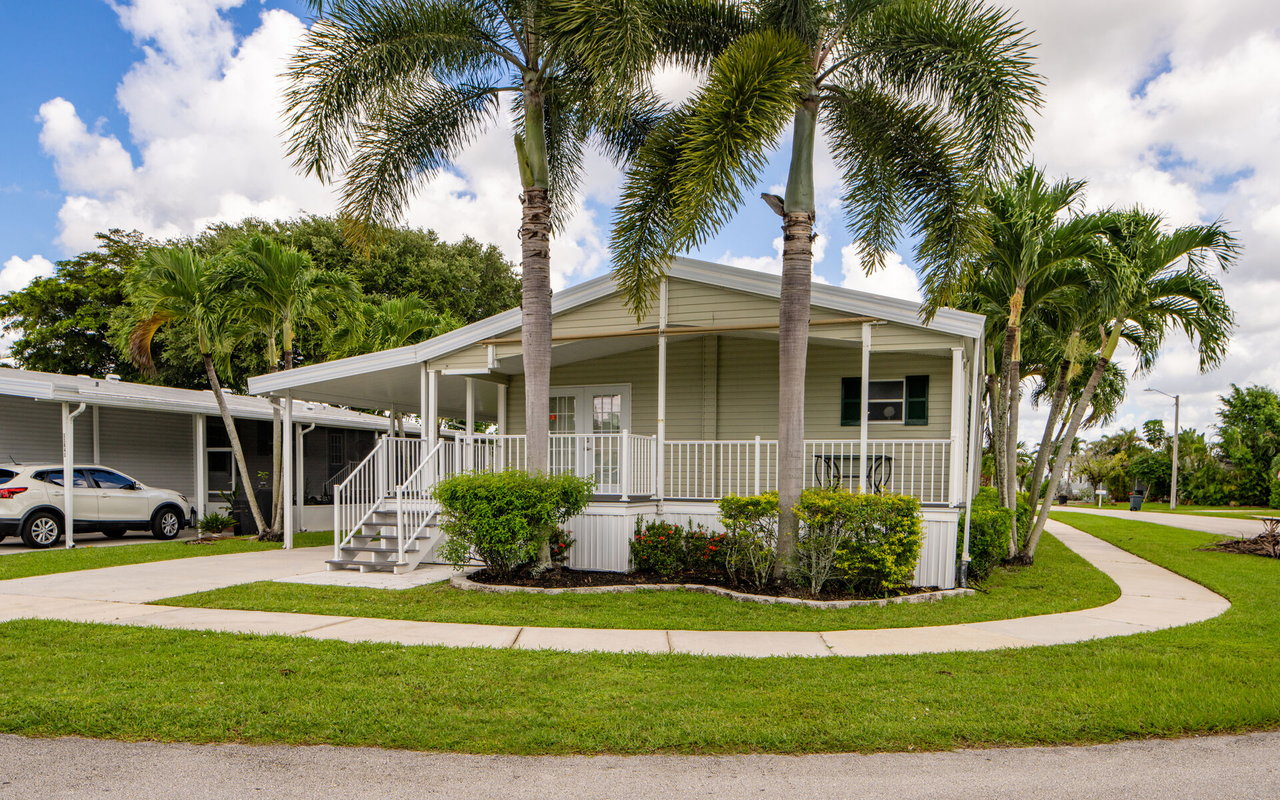
Diverse housing options, from historic homes to newer communities
Central access to the greater Tampa Bay region
Life in Tampa is shaped by balance. Residents often choose neighborhoods based on proximity to water, golf courses, downtown walkability, or traditional suburban comfort. The city attracts professionals, relocating buyers, and long-term homeowners seeking a primary residence with both energy and stability. Mornings may begin along Bayshore Boulevard or on the water, while evenings are spent in neighborhood dining districts or relaxed residential settings. Tampa offers urban access without requiring high-rise living, giving buyers flexibility in how they define their lifestyle.
Downtown Tampa and the Water Street area have expanded the city’s walkable dining and retail presence, integrating residential living with restaurants, cafés, and public gathering spaces. The Riverwalk corridor enhances this connectivity, creating a cohesive waterfront experience.
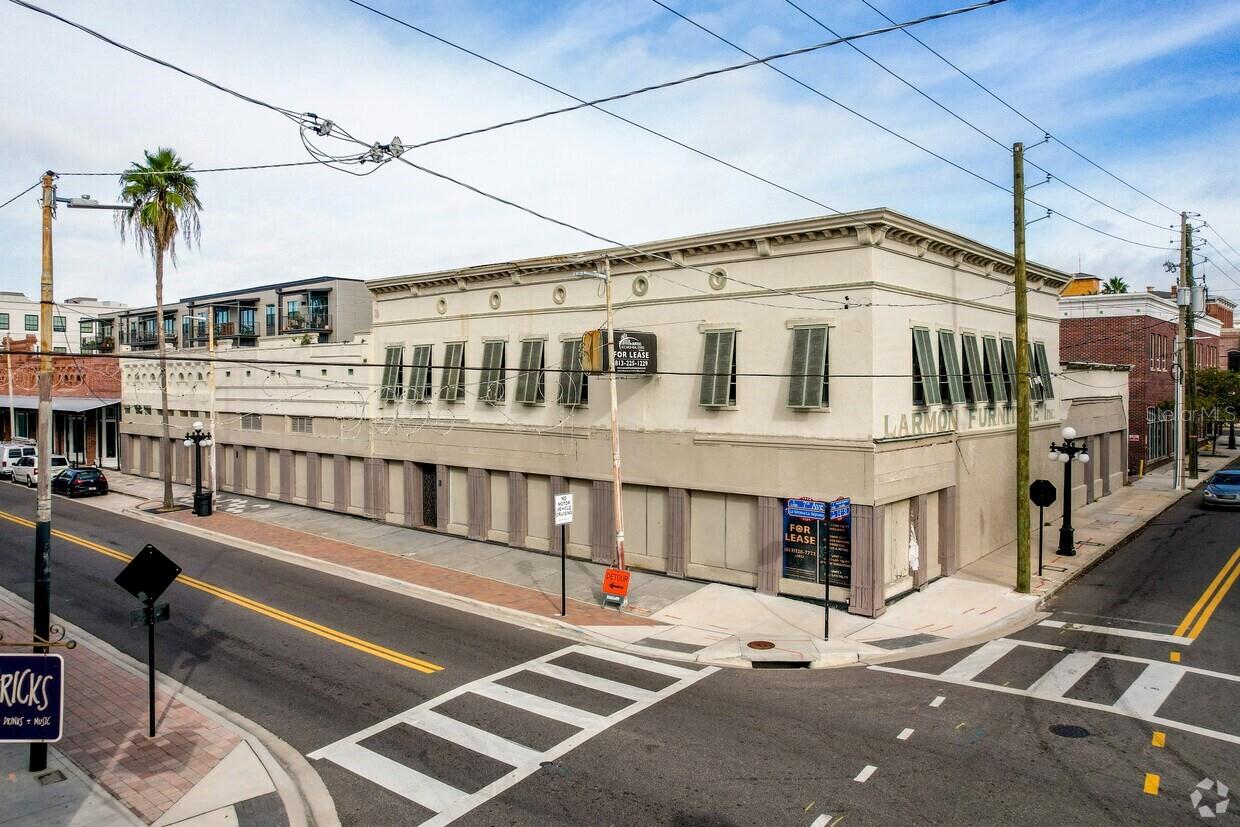
Hyde Park Village provides a pedestrian-friendly retail environment with a blend of national brands and locally oriented shops, set within one of Tampa’s most established residential areas. Historic Ybor City contributes architectural character and cultural texture, reinforcing the city’s layered identity.
Outside the urban core, neighborhood-centered retail corridors and suburban lifestyle centers offer convenience without overwhelming residential districts. Tampa’s dining and shopping scene continues to evolve while remaining accessible and community-focused.
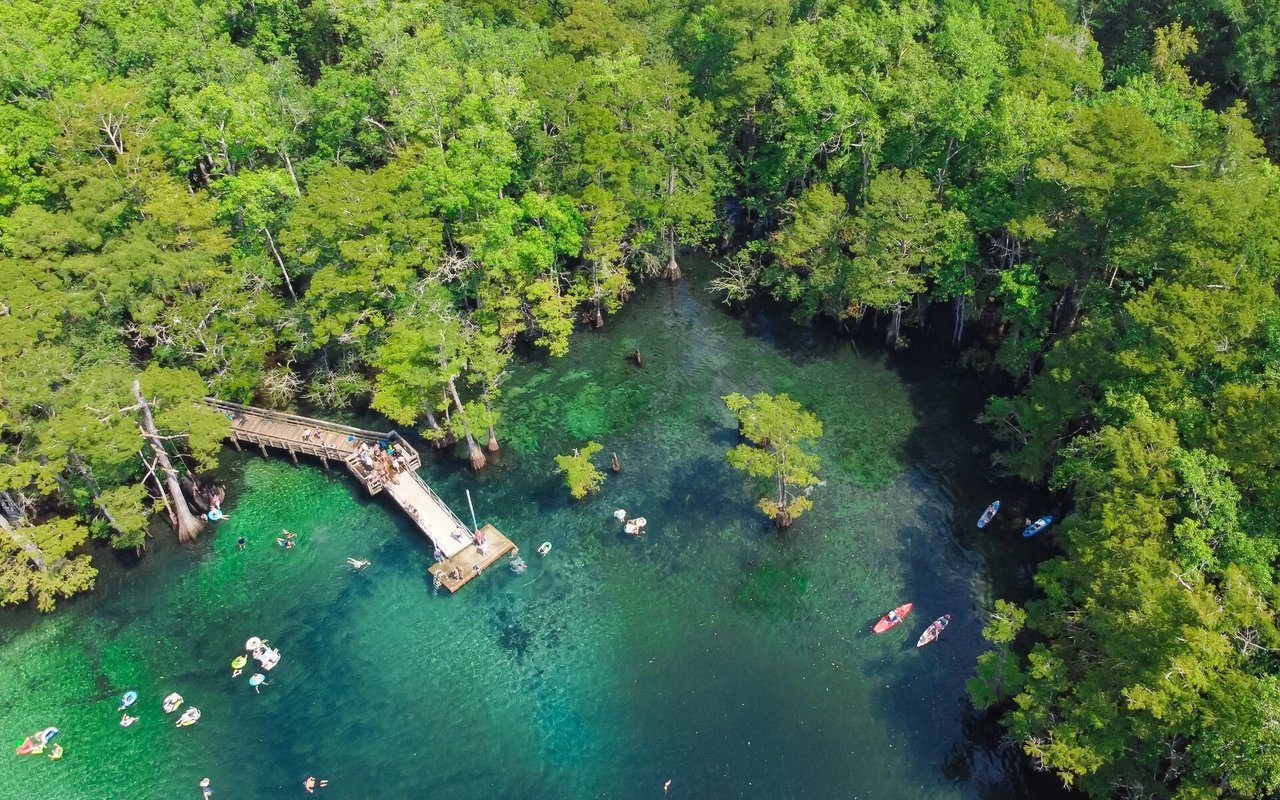
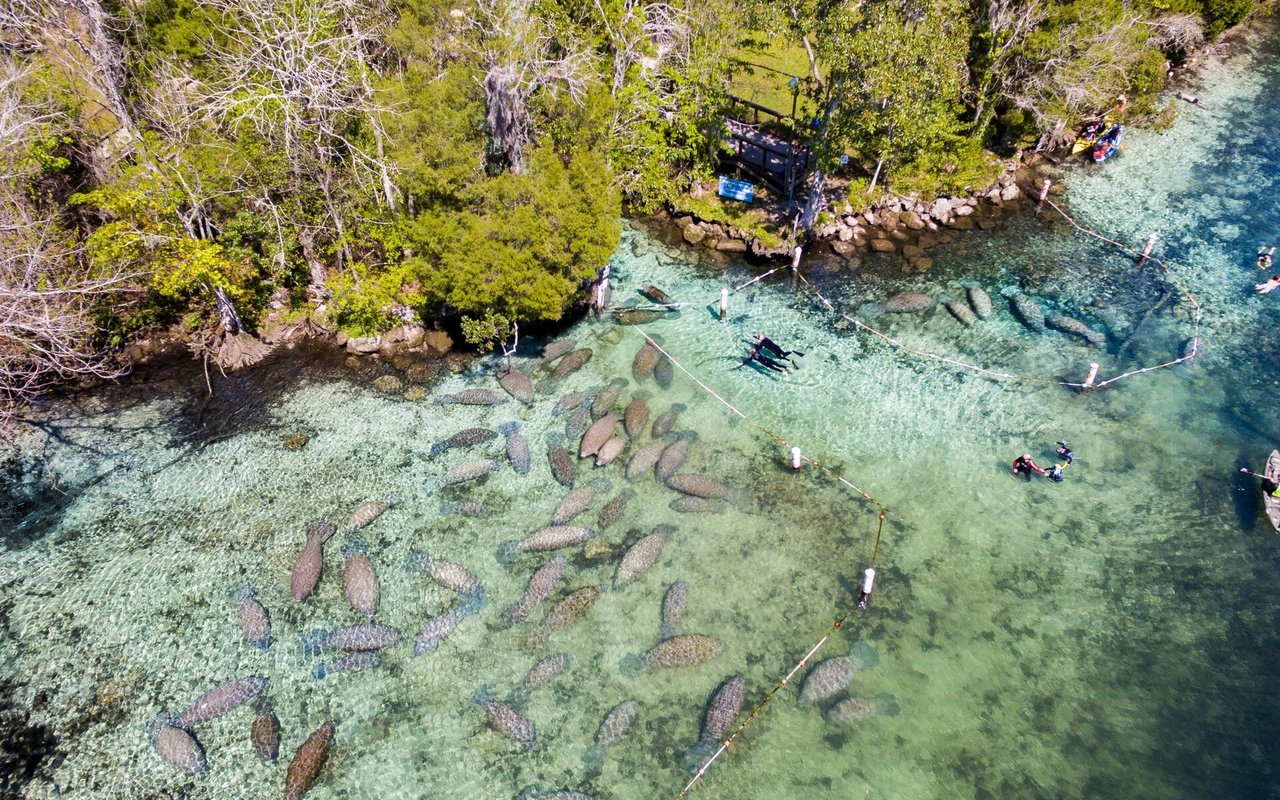
Outdoor recreation is central to Tampa’s appeal. Boating, paddleboarding, waterfront parks, and golf courses are integrated throughout the city. The Riverwalk and Bayshore Boulevard support walking and cycling, while nearby coastal preserves provide additional access to nature.
Tampa also maintains a strong professional sports presence and year-round cultural programming. Performing arts venues, seasonal festivals, and regional events contribute to an active but approachable entertainment environment.
826,077 people live in Tampa, where the median age is 36.8 and the average individual income is $43,176. Data provided by the U.S. Census Bureau.
Total Population
Median Age
Population Density Population Density This is the number of people per square mile in a neighborhood.
Average individual Income
There's plenty to do around Tampa, including shopping, dining, nightlife, parks, and more. Data provided by Walk Score and Yelp.
Explore popular things to do in the area, including Beltram Design and Planning, Sunshine Farmers Market, and Glizzy Boyz.
| Name | Category | Distance | Reviews |
Ratings by
Yelp
|
|---|---|---|---|---|
| Dining | 0.16 miles | 0 reviews | 0/5 stars | |
| Dining | 0.34 miles | 0 reviews | 0/5 stars | |
| Dining | 0.54 miles | 0 reviews | 0/5 stars | |
| Dining | 0.55 miles | 0 reviews | 0/5 stars | |
| Dining | 0.64 miles | 1 review | 5/5 stars | |
| Dining | 0.79 miles | 0 reviews | 0/5 stars | |
| Shopping | 0.23 miles | 0 reviews | 0/5 stars | |
| Shopping | 0.93 miles | 0 reviews | 0/5 stars | |
| Active | 0.65 miles | 0 reviews | 0/5 stars | |
| Active | 0.98 miles | 1 review | 3/5 stars | |
| Nightlife | 0.96 miles | 1 review | 5/5 stars | |
| Beauty | 0.19 miles | 0 reviews | 0/5 stars | |
| Beauty | 0.38 miles | 0 reviews | 0/5 stars | |
| Beauty | 0.43 miles | 0 reviews | 0/5 stars | |
| Beauty | 0.44 miles | 0 reviews | 0/5 stars | |
| Beauty | 0.48 miles | 0 reviews | 0/5 stars | |
| Beauty | 0.54 miles | 0 reviews | 0/5 stars | |
| Beauty | 0.54 miles | 0 reviews | 0/5 stars | |
| Beauty | 0.54 miles | 0 reviews | 0/5 stars | |
| Beauty | 0.64 miles | 0 reviews | 0/5 stars | |
| Beauty | 0.68 miles | 3 reviews | 5/5 stars | |
| Beauty | 0.89 miles | 0 reviews | 0/5 stars | |
| Beauty | 0.93 miles | 0 reviews | 0/5 stars | |
| Beauty | 1.01 miles | 0 reviews | 0/5 stars | |
|
|
||||
|
|
||||
|
|
||||
|
|
||||
|
|
||||
|
|
Tampa has 329,153 households, with an average household size of 65.55. Data provided by the U.S. Census Bureau. Here’s what the people living in Tampa do for work — and how long it takes them to get there. Data provided by the U.S. Census Bureau. 826,077 people call Tampa home. The population density is 4,120 and the largest age group is Data provided by the U.S. Census Bureau.
Total Population
Population Density Population Density This is the number of people per square mile in a neighborhood.
Median Age
Men vs Women
Population by Age Group
0-9 Years
10-17 Years
18-24 Years
25-64 Years
65-74 Years
75+ Years
Education Level
Total Households
Average Household Size
Average individual Income
Households with Children
With Children:
Without Children:
Marital Status
Blue vs White Collar Workers
Blue Collar:
White Collar:
I provide strategic assistance with pricing analysis, offer preparation, contract drafting, and negotiation ensuring every decision is informed and advantageous. Let’s begin the conversation.
Get In Touch With Palm & Pine Realty Group To Learn More
PALM & PINE REALTY GROUP
(813) 478-3180
[email protected]
Office - [email protected]
Sellers - [email protected]
Buyers - [email protected]
CENTRAL & NORTH CENTRAL FLORIDA